标签: Africa

非洲

  • Science or survival? Tobacco giants’ billions bet on ‘reduced-risk’ products

    Science or survival? Tobacco giants’ billions bet on ‘reduced-risk’ products

    Global tobacco corporations are executing a multi-billion dollar strategic transformation, channeling unprecedented resources into developing ‘reduced-risk’ nicotine products amid declining traditional cigarette sales and intensified regulatory pressures worldwide. This fundamental shift represents both a survival strategy and a controversial rebranding effort that public health experts view with deep skepticism.

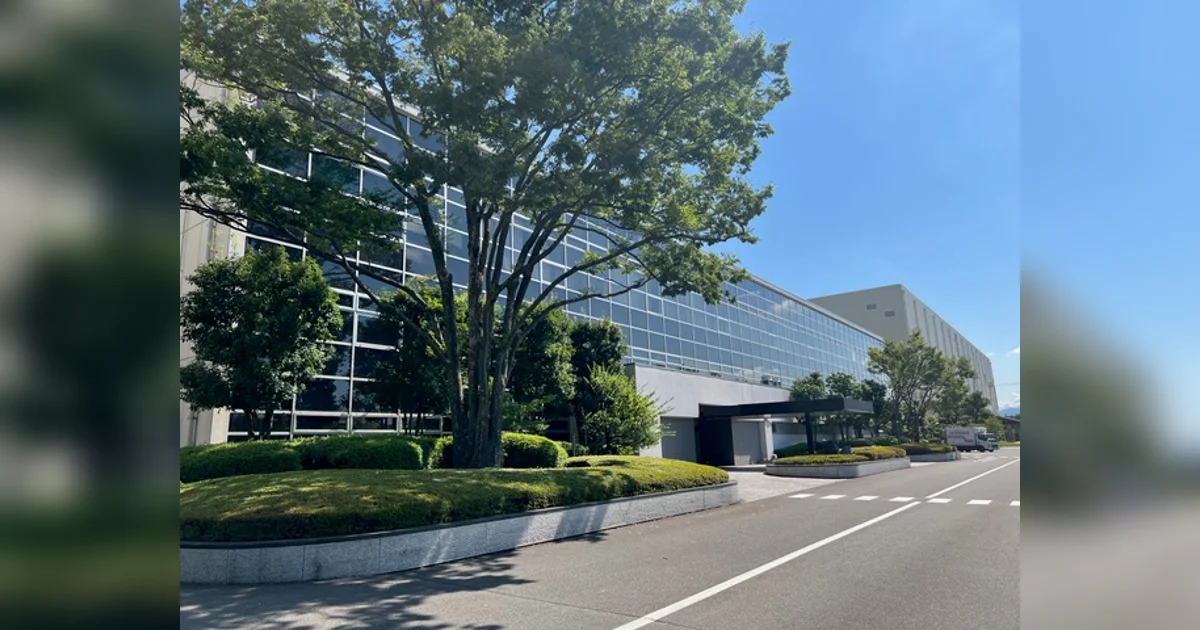
    Japan Tobacco International exemplifies this industry-wide pivot, committing approximately $4.3 billion to its reduced-risk product portfolio between 2025-2027—more than doubling its previous three-year investment. The centerpiece of JTI’s strategy is the Ploom heated tobacco system, which company representatives describe as embodying ‘science-driven, consumer-centric innovation’ with ‘precision-heating technology’ developed through extensive research.

    The financial stakes are enormous industry-wide. Philip Morris International now derives over 40% of its revenue from smoke-free products like IQOS, while British American Tobacco’s ‘New Categories’ segment contributes nearly 18% of group revenue. The US tobacco market alone is projected to expand from $112.82 billion in 2024 to $180.48 billion by 2030, primarily driven by alternative nicotine products.

    Tobacco companies cite scientific evidence to legitimize their transformation, including BAT research suggesting oral nicotine pouches offer over 99% reduction in exposure to harmful toxicants compared to cigarettes. They reference Sweden’s experience with snus, which correlates with the EU’s lowest smoking prevalence (5.4%) and minimal tobacco-related cancer mortality. Regulatory acknowledgments include the FDA’s Modified Risk Tobacco Product designations and the UK NHS’s inclusion of vaping devices in smoking cessation recommendations.

    However, public health authorities maintain cautious skepticism. The World Health Organization emphasizes that complete cessation remains the optimal harm reduction approach and insists regulatory decisions must remain independent of tobacco industry influence. Independent analysis reveals significant evidence gaps, with a 2022 systematic review finding that 29 of 40 assessed clinical trials on heated tobacco products were industry-affiliated, raising questions about research objectivity.

    This strategic shift occurs against a backdrop of declining global cigarette volumes, projected to fall approximately 2% in 2025, creating powerful incentives for diversification. The central question remains whether this transformation genuinely serves public health interests or simply creates new markets for nicotine delivery under the guise of harm reduction. The ultimate impact on public health, industry profitability, and future nicotine consumers will require ongoing independent scientific scrutiny to properly assess.
  • South African radio presenter among five charged over Russia recruitment plot

    South African radio presenter among five charged over Russia recruitment plot

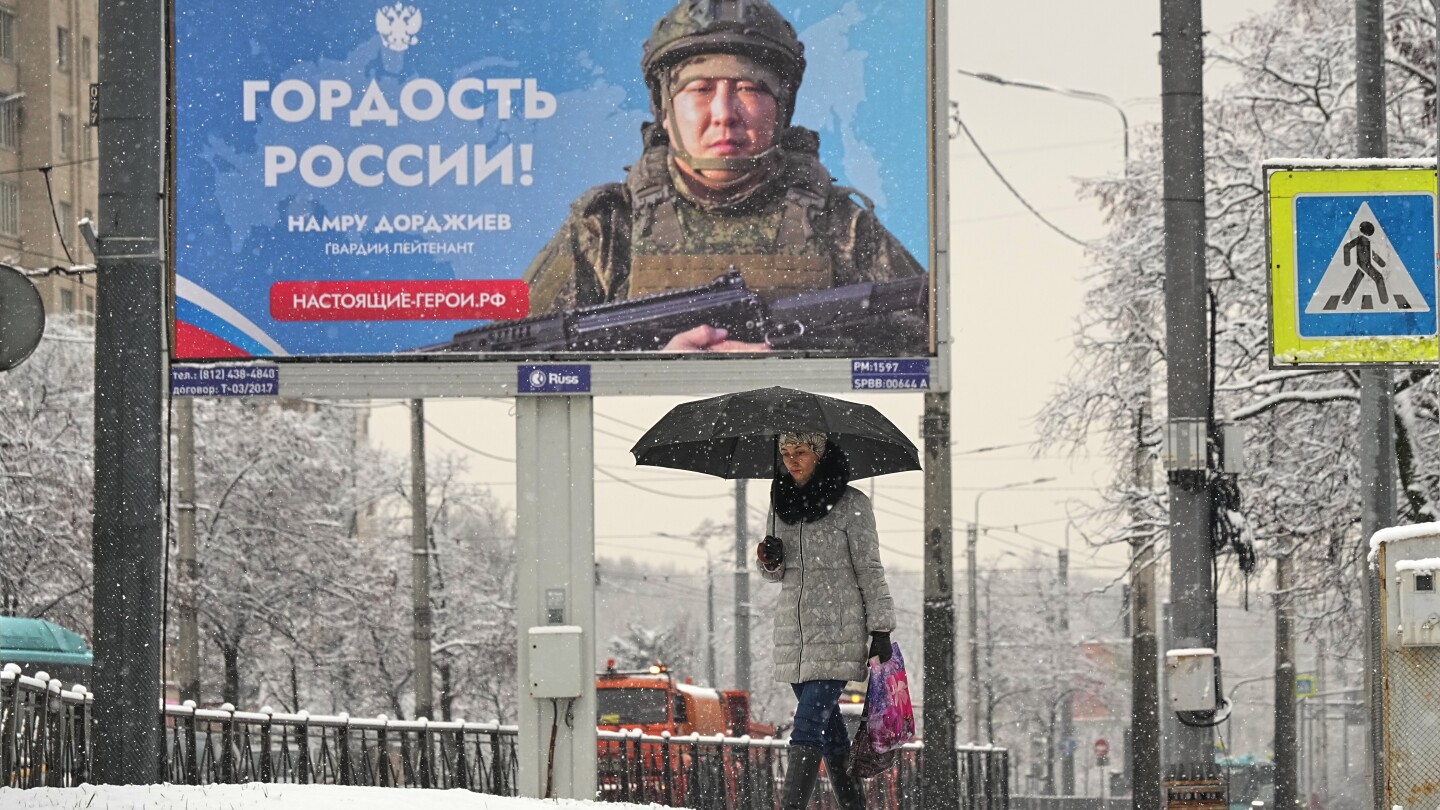
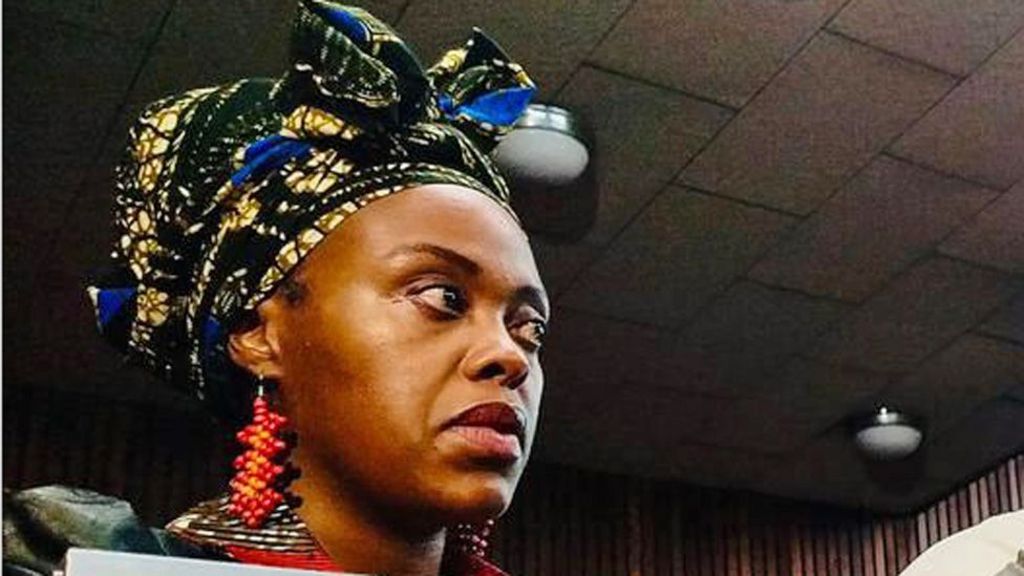
    In a significant development highlighting foreign military recruitment activities in South Africa, prominent radio presenter Nonkululeko Patricia Mantula has been formally charged alongside four male accomplices for allegedly facilitating recruitment for the Russian military. The 39-year-old host of SABC’s SAFM station “The Morning Bliss” appeared at Kempton Park Magistrates’ Court near Johannesburg on Monday alongside co-accused aged 21-46.

    The case represents the first criminal charges under South Africa’s Regulation of Foreign Military Assistance Act since November, when the government revealed 17 citizens had been “seemingly lured” into mercenary forces in the Russia-Ukraine conflict. According to the National Prosecuting Authority (NPA), the defendants were intercepted at Johannesburg’s main international airport while attempting to travel to Russia via the United Arab Emirates, removed from their boarding gate after being deemed suspicious.

    Prosecutors allege Mantula specifically facilitated travel arrangements and recruitment activities targeting her co-accused for enlistment in Russian Federation military forces. The arrests followed a tip-off from airport police, though authorities emphasize they are not currently linking this case to the previously identified 17 mercenaries.

    The development occurs against the backdrop of heightened political tensions following last Friday’s dramatic resignation from parliament of Duduzile Zuma-Sambudla, daughter of former President Jacob Zuma. She faces allegations of deceiving 17 South African men—including several relatives—into fighting for Russia, accusations she vehemently denies. Her half-sister Nkosazana Zuma-Mncube filed a police complaint stating eight family members had been “handed to a Russian mercenary group without their knowledge or consent.”

    South Africa’s alarming 30% unemployment rate, particularly affecting youth, creates vulnerable conditions for such recruitment schemes. The government has condemned “the exploitation of young vulnerable people by individuals working with foreign military entities” and is pursuing diplomatic channels to repatriate citizens trapped in Ukraine’s Donbas region.

    This case reflects broader patterns across Africa, where Kenya recently rescued over 20 people from a suspected trafficking ring offering Russian jobs that actually led to combat roles in Ukraine. Ukraine itself has faced international criticism for recruiting foreign nationals, including Africans, with both Senegal and Nigeria previously protesting such activities.

    The five accused remain in custody pending their next court appearance on December 8 for bail proceedings. The NPA has emphasized its commitment to “holding accountable those who violate the country’s laws” through collaboration with law-enforcement partners to protect national security integrity.

  • Why New Delhi has become the most dependable partner in South Asia

    Why New Delhi has become the most dependable partner in South Asia

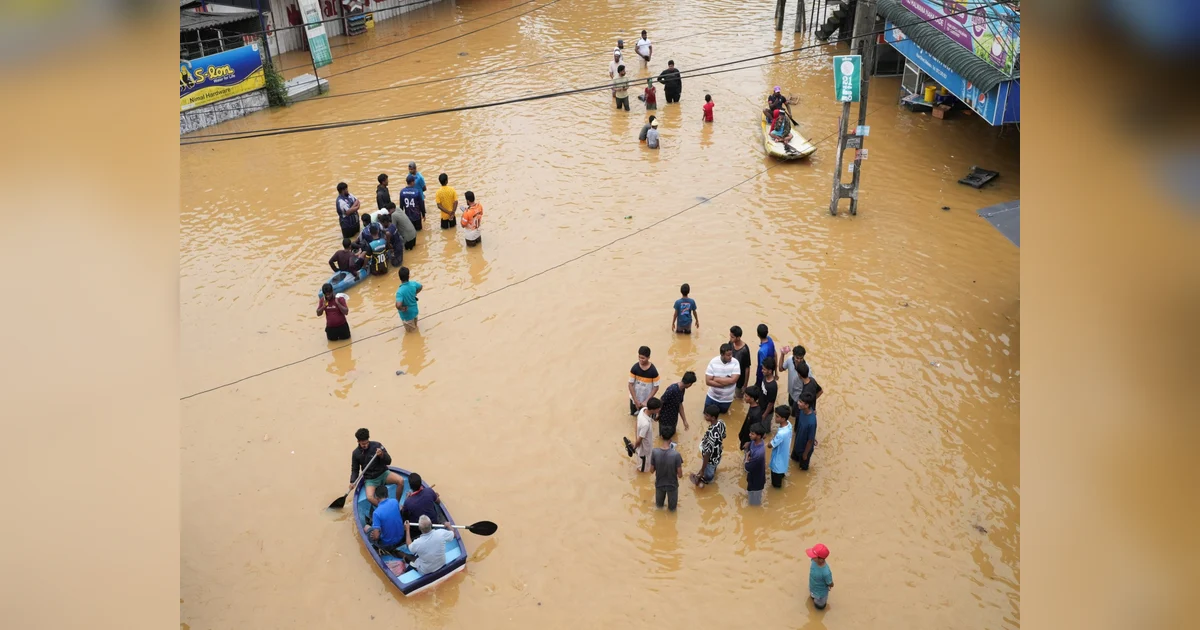
    When Cyclone Ditwah approached Sri Lanka with destructive force last week, India’s humanitarian machinery activated with precision and purpose. Even before the storm made landfall, New Delhi had positioned naval assets, relief supplies, and emergency teams on standby, demonstrating what has become standard protocol for the region’s dominant crisis responder.

    This rapid mobilization represents neither anomaly nor exception but rather the established norm in Indian foreign policy. Over the past decade, India has systematically developed its capacity as the Indian Ocean Region’s most reliable first responder, operating under a clearly articulated principle: in moments of crisis, neighboring nations receive priority attention.

    The architecture of India’s response mechanism involves sophisticated coordination between multiple government agencies. As Sri Lankan authorities issued early warnings, India’s Ministry of External Affairs and Navy immediately engaged Colombo counterparts. The Southern Naval Command prepared ships laden with relief supplies, medical teams, and emergency equipment while Coast Guard aircraft stood ready for search and rescue operations. Critical infrastructure including high-capacity power generators and water purification units were pre-positioned for immediate deployment.

    This operational pattern has become familiar throughout South Asia. India consistently anticipates distress calls rather than awaiting them—a critical advantage in a region frequently battered by cyclones, monsoons, and seismic events where response speed directly correlates with survival rates.

    The historical record demonstrates remarkable consistency. During Nepal’s devastating 2015 earthquake, India launched Operation Maitri, its largest humanitarian mission to date, with Air Force aircraft conducting over 250 sorties that rescued approximately 5,000 people and delivered thousands of tons of essential supplies.

    When Sri Lanka faced economic collapse in 2022, India provided over $4 billion in credit lines and emergency assistance, outpacing all other nations in both scale and urgency. During Maldives’ 2014 drinking water crisis, Indian naval ships delivered over 1,000 tons of potable water within hours of the request. Similar rapid responses occurred during Cyclone Mocha in Myanmar and Bangladesh (2023) and throughout the COVID-19 pandemic through the Vaccine Maitri initiative that supplied critical medical resources to multiple nations.

    This consistent humanitarian engagement stems from formal policy doctrines. India’s ‘Neighbourhood First’ and ‘SAGAR’ (Security and Growth for All in the Region) frameworks recognize that regional stability and prosperity are interconnected. The approach contains a moral dimension as well, acknowledging centuries of shared cultural, commercial, and social exchange across South Asian borders.

    As climate change intensifies weather-related disasters, India’s role as regional stabilizer grows increasingly vital. The nation has dramatically expanded its response capabilities—from naval assets to satellite technology—while maintaining unwavering commitment to regional assistance. For Sri Lanka and neighboring nations, this reliability represents an invaluable security component in an uncertain world.

    India has demonstrated repeatedly that it serves not merely as a fair-weather partner but as the nation that arrives first during crises and remains until the last family reaches safety. In a region characterized by complex geopolitical relationships, India has established itself as South Asia’s most dependable humanitarian ally.

  • UAE: Idris Elba, Priyanka Chopra to attend Bridge Summit; here’s all you need to know

    UAE: Idris Elba, Priyanka Chopra to attend Bridge Summit; here’s all you need to know

    Abu Dhabi prepares to host the inaugural Bridge Summit, a groundbreaking convergence of media, entertainment, and technology sectors, from December 8-10, 2025. The three-day mega-event at ADNEC Centre will transform the UAE capital into a global hub for creative industries, featuring an impressive roster of international celebrities including Idris Elba and Priyanka Chopra Jonas alongside former football star Gerard Piqué.

    The summit’s comprehensive programming spans seven core tracks—Media, Creator Economy, Music, Gaming, Technology, Marketing, and Visual Storytelling—creating an unprecedented platform for cross-industry collaboration. With over 400 visionary speakers, 300+ exhibitors, and an anticipated attendance exceeding 60,000 professionals, the event will occupy 1.65 million square feet across 11 exhibition halls and conference facilities.

    Attendees can experience more than 300 events including keynote addresses, 200+ panel discussions, and 50+ interactive workshops covering cutting-edge topics from artificial intelligence integration to creator monetization strategies. The exhibition zones will showcase innovations from media platforms, XR technologies, gaming studios, streaming services, and creative agencies, facilitating networking opportunities and business deal-making.

    The summit specifically targets media executives, content creators, technology innovators, investors, policymakers, and emerging talent, offering tiered access passes ranging from free general admission to premium VIP experiences. The Bridge+ package at AED 5,000 provides exclusive benefits including priority reservations, dedicated assistants, valet parking, and access to private gatherings with industry leaders.

    Strategically aligned with the UAE’s national vision to establish itself as a regional creative economy powerhouse, the summit aims to stimulate cross-sector partnerships, investment opportunities, and global exposure for participants. The event’s cultural significance extends beyond commercial objectives, potentially influencing global content consumption patterns and elevating diverse voices within the media landscape.

  • Dubai court freezes $456 million linked to alleged cryptocurrency reserve theft

    Dubai court freezes $456 million linked to alleged cryptocurrency reserve theft

    In a groundbreaking legal development, Dubai’s Digital Economy Court within the DIFC has implemented an unprecedented worldwide freezing order targeting approximately $456 million in assets. This landmark ruling represents the court’s first global freeze concerning cryptocurrency matters, establishing stringent penalties including substantial fines and potential imprisonment for any violations.

    The case centers on allegations that funds designated to back the TrueUSD (TUSD) stablecoin were systematically diverted through sophisticated financial manipulation. Court documents reveal that between 2021 and 2022, nearly half a billion dollars was allegedly removed from TUSD’s dollar reserves and redirected into private commodity investments and mining ventures using falsified documentation and forged authorization instructions.

    Techteryx Ltd, the entity controlling TrueUSD under Chinese cryptocurrency magnate Justin Sun’s leadership, discovered the substantial reserve shortfall during comprehensive audit procedures earlier this year. The company responded by injecting hundreds of millions in fresh capital to ensure all TUSD tokens remained fully redeemable at their intended one-dollar valuation, maintaining that no public holders experienced financial losses.

    Justice Michael Black’s October 17 ruling prohibits the movement or concealment of the contested funds and any derivative assets worldwide. The indefinite freeze remains effective until judicial proceedings determine final disposition, with the order applying extraterritorially to all financial institutions and entities holding relevant assets.

    Justin Sun characterized the decision as a decisive step toward recovering the missing reserves, advocating for enhanced international audit standards across the stablecoin sector. Legal experts note the ruling demonstrates Dubai’s evolving jurisdictional capability in addressing complex digital asset disputes through its specialized Digital Economy Court framework.

    The full judgment remains accessible through the DIFC Courts’ official portal, signaling the emirate’s commitment to establishing robust legal safeguards for the rapidly expanding cryptocurrency industry.

  • A South African radio presenter is arrested on suspicion of recruiting fighters for Russia

    A South African radio presenter is arrested on suspicion of recruiting fighters for Russia

    A prominent South African radio personality has been formally charged with illegally recruiting citizens for Russia’s military operations in Ukraine, marking a significant development in the country’s growing foreign recruitment crisis. Nonkululeko Mantula, a 39-year-old presenter with state broadcaster SAFM, appeared in court Monday alongside four co-accused following their arrest based on intelligence reports.

    Authorities confirmed that three suspects were intercepted at a major international airport while attempting to travel to Russia via the United Arab Emirates. Investigators believe at least one individual successfully reached Russian territory under Mantula’s alleged coordination. South African law strictly prohibits citizens from enlisting in foreign militaries without explicit government authorization.

    This case emerges alongside a separate high-profile investigation involving Duduzile Zuma-Sambudla, daughter of former President Jacob Zuma. She recently resigned from her parliamentary position in the MK Party following allegations of deceiving 17 South African men into combat roles with Russian mercenary units. Victims reportedly traveled under false pretenses of receiving security training for employment opportunities.

    The South African government has initiated formal repatriation efforts through international law enforcement channels after receiving distress calls from citizens trapped in eastern Ukraine. According to official reports, these individuals had their passports destroyed and communication devices confiscated upon arrival in Russia.

    Russian recruitment tactics have increasingly targeted developing nations through social media campaigns promising employment in various sectors. Recent intelligence indicates these operations have expanded to include deceptive recruitment of African women for drone manufacturing facilities under the guise of hospitality industry jobs.

    South African authorities have issued nationwide warnings about social media influencers promoting Russian employment and educational opportunities, emphasizing the grave risks associated with these allegedly fraudulent schemes.

  • Congo declares its latest Ebola outbreak over, after 43 deaths

    Congo declares its latest Ebola outbreak over, after 43 deaths

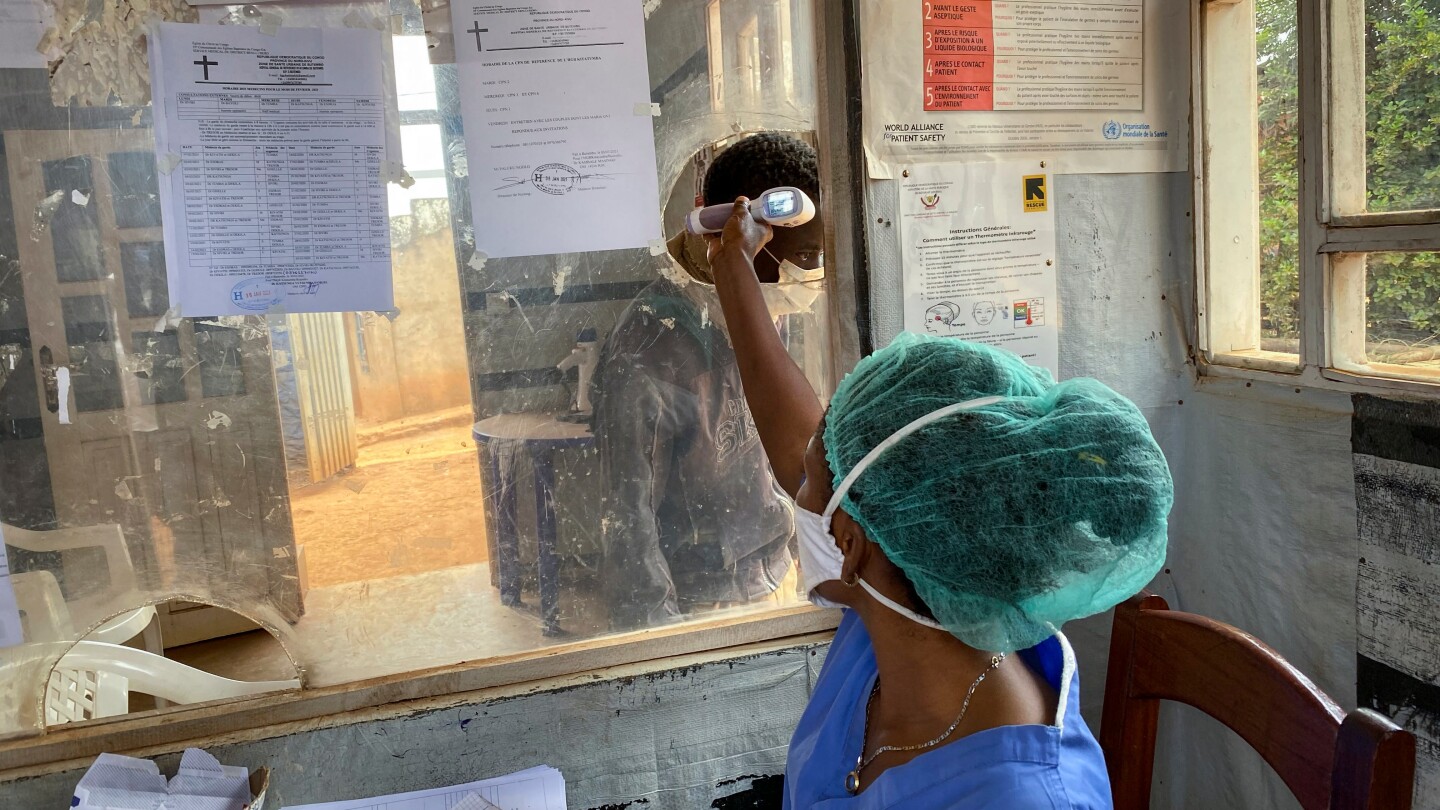
    The Democratic Republic of Congo has officially declared the conclusion of its latest Ebola outbreak, which claimed 43 lives in the southern Kasai province. Health Minister Roger Kamba confirmed the termination on Monday, citing a critical milestone: 45 consecutive days without any new confirmed infections.

    The outbreak, first identified in September in the town of Bulape, resulted in 53 confirmed cases with a devastating 81% fatality rate. The viral disease subsequently spread to at least four adjacent towns, marking Congo’s 16th Ebola outbreak since the virus initially emerged there in 1976.

    A comprehensive vaccination campaign proved instrumental in containing the epidemic. Health authorities administered doses to over 27,000 individuals, including 4,000 frontline medical workers who faced heightened exposure risks. Minister Kamba specifically credited these healthcare personnel with playing a pivotal role in halting the virus’s transmission.

    The World Health Organization encountered substantial operational hurdles during the response effort, particularly regarding vaccine distribution in remote areas with limited accessibility and insufficient funding. This success comes against the backdrop of ongoing security challenges in eastern Congo, where M23 rebel forces have occupied strategic cities since launching an offensive in January.

    This outbreak served as a somber reminder of the 2018-2020 Ebola epidemic in eastern Congo that resulted in over 1,000 fatalities, highlighting the persistent public health threats facing the Central African nation.

  • Shock in Cameroon as 74-year-old opposition firebrand dies in detention

    Shock in Cameroon as 74-year-old opposition firebrand dies in detention

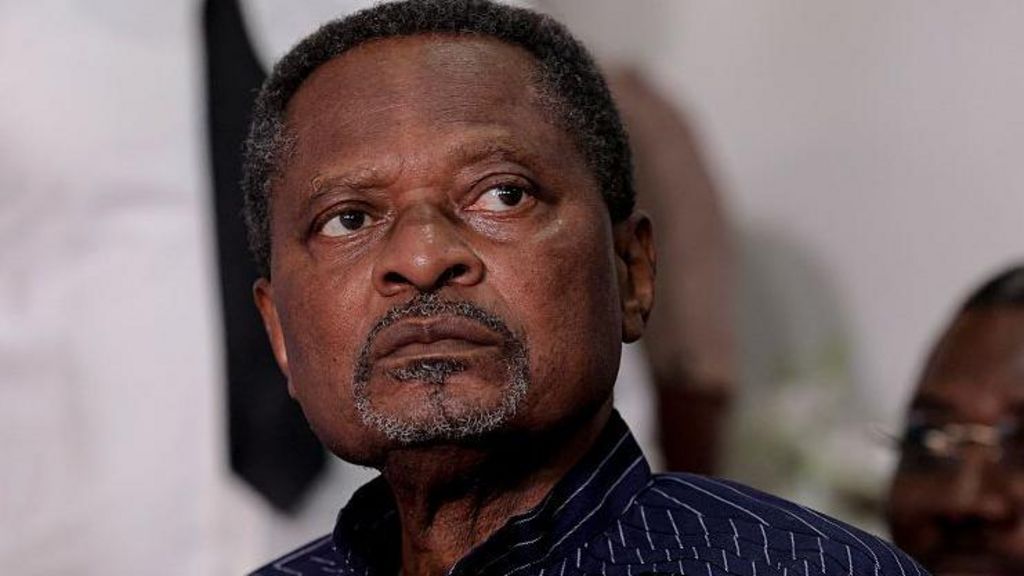
    Cameroon’s political landscape has been shaken by the death of prominent left-wing opposition figure Anicet Ekane, who passed away while detained at a military medical facility. The 74-year-old leader of the African Movement for New Independence and Democracy (MANIDEM) had been held for five weeks without formal charges following his October 24 arrest.

    Ekane’s sudden demise has sparked outrage among opposition supporters and raised serious questions about treatment of government critics. According to his legal representatives, the politician was never formally charged or presented before a judicial authority despite accusations of “hostility against the state, incitement to revolt, and calls for insurrection.”

    The circumstances surrounding his death remain shrouded in mystery. Family members received minimal explanation, with Ekane’s wife being abruptly presented with her husband’s corpse without prior notification of his deteriorating condition. Defense Ministry spokesman Captain Cyrille Serge Atonfack attributed the death to “various chronic pathologies” but provided no specific details about the medical circumstances.

    This incident occurs against a backdrop of heightened political tensions following October’s presidential election, which saw 92-year-old incumbent Paul Biya officially declared winner. Ekane had been a key figure in the Union for Change Coalition that backed former government spokesman Issa Tchiroma Bakary, who subsequently fled to The Gambia after disputing the election results.

    The opposition leader’s death has triggered widespread grief and anger, with supporters gathering at party headquarters in Douala while others expressed fury through online channels. Security forces have reportedly surrounded MANIDEM’s premises as authorities announce an investigation into the exact circumstances of Ekane’s death.

  • West African bloc delegation arrives in Guinea-Bissau for talks with military coup leaders

    West African bloc delegation arrives in Guinea-Bissau for talks with military coup leaders

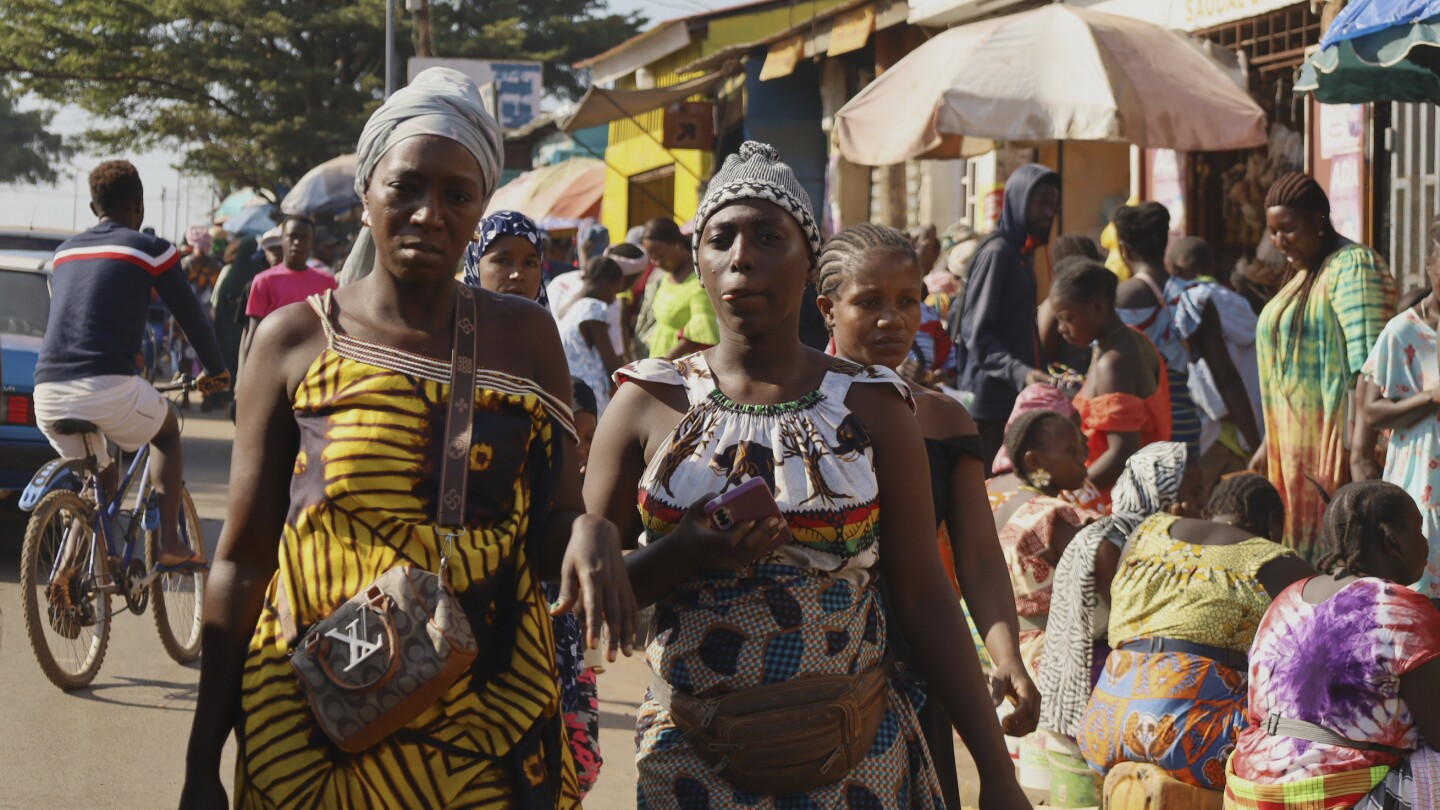
    A high-level delegation from the Economic Community of West African States (ECOWAS) arrived in Guinea-Bissau’s capital Bissau on Monday to initiate critical mediation talks with military leaders who seized power in last week’s coup. The mission, headed by ECOWAS Chairman and Sierra Leonean President Julius Maada Bio, aims to negotiate the complete restoration of constitutional order following the overthrow of democratically elected institutions.

    The military government, which assumed control last Wednesday amid post-electoral turmoil, has implemented stringent security measures prohibiting all demonstrations, strikes, and activities deemed threatening to national stability. In an official statement released Sunday evening, the junta additionally mandated the reopening of public institutions and ministries.

    This political crisis erupted just three days after a tightly contested presidential election where both primary contenders declared victory. During the military takeover, ousted President Umaro Sissoco Embaló confirmed his deposition and arrest via telephone communication with French media before subsequently fleeing to Brazzaville, capital of the Republic of Congo.

    The armed forces have installed former army chief of staff General Horta Inta-a to lead a transitional military government overseeing a projected one-year political transition. On Saturday, Inta-a appointed a new 28-member administration predominantly composed of allies from the deposed president’s circle.

    In a significant development, Nigeria granted protective asylum to Guinea-Bissau opposition candidate Fernando Dias da Costa citing imminent threats to his life. Nigeria’s Minister of Foreign Affairs formally requested ECOWAS troop protection for da Costa, currently sheltering at the Nigerian embassy in Bissau.

    ECOWAS had previously suspended Guinea-Bissau from its decision-making bodies pending full constitutional restoration. United Nations Secretary-General Antonio Guterres condemned the military takeover as an unacceptable violation of democratic principles, particularly following the November 23 general elections. He demanded immediate unconditional restoration of constitutional order and release of all detained officials including electoral authorities and political leaders.

    Guinea-Bissau’s history remains marred by political instability since gaining independence from Portugal over five decades ago, with this representing the latest in numerous coups and attempted power seizures. The nation of 2.2 million people, among the world’s poorest, has become a notorious hub for narcotics trafficking between Latin America and Europe—a factor experts identify as exacerbating its chronic political crises.

    ECOWAS, the 15-nation bloc established in 1975 as West Africa’s primary political and economic authority, continues grappling with regional democratic backsliding despite its mandate to promote stability and integration. The organization faces mounting challenges reversing military takeovers in member states where citizens increasingly protest inequitable distribution of natural resource wealth.

  • One of the world’s most important energy analysts shares his 2026 oil forecast

    One of the world’s most important energy analysts shares his 2026 oil forecast

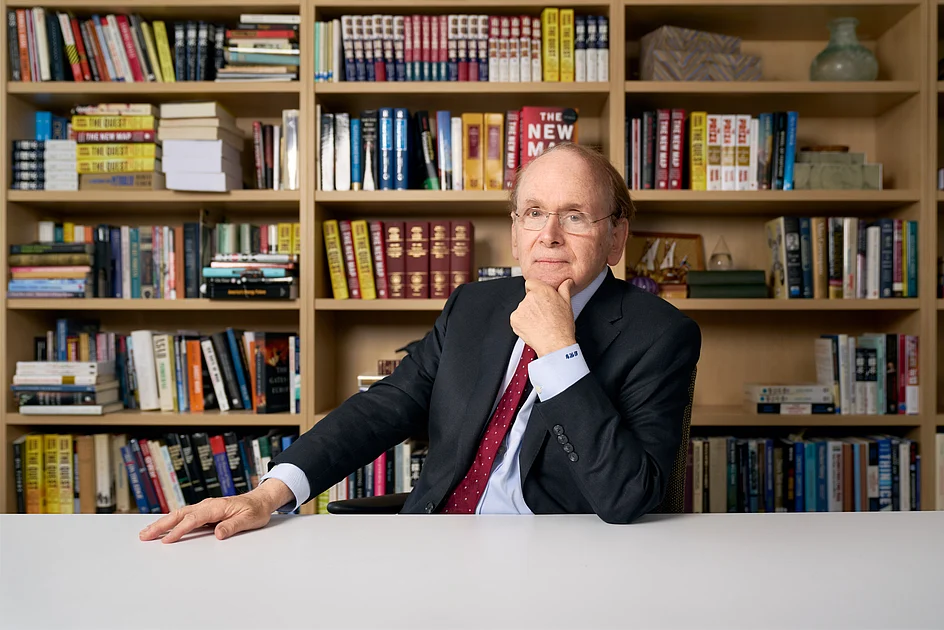
    In an exclusive interview with Khaleej Times, Dr. Daniel Yergin, vice chairman of S&P Global and Pulitzer Prize-winning energy authority, presented a comprehensive outlook for global energy markets heading into 2026. The renowned analyst predicts Brent crude will average approximately $60 per barrel in 2026 before recovering to $65 in 2027, reflecting fundamental shifts in the global energy landscape.

    Yergin identifies several critical factors influencing oil markets, noting that supply currently exceeds demand despite vigorous debate about the exact degree of oversupply. He emphasizes that economic fundamentals, political developments, and unexpected events will collectively shape price trajectories. Two particular uncertainties dominate the outlook: the market status of Russian oil amid ongoing sanctions and the trajectory of Chinese demand, which remains obscured by strategic stockpiling activities.

    According to Yergin, the globalization paradigm that characterized oil markets for decades has fundamentally fractured following Russia’s invasion of Ukraine, creating a partitioned market structure. This new era of sanctions, tariffs, and protectionism introduces non-economic variables that complicate traditional forecasting models.

    Beyond oil, Yergin highlights significant transformations in natural gas markets, where the United States has emerged as the world’s leading LNG exporter within just a decade. He anticipates abundant LNG supplies will pressure prices downward, particularly as Europe permanently reduces dependence on Russian gas. The analyst also notes Gulf countries’ strategic evaluations of their roles as global gas producers.

    A central theme in Yergin’s analysis is the escalating electricity demand driven by artificial intelligence infrastructure. He identifies electricity availability as the critical constraint on AI development, noting that natural gas is experiencing a resurgence in power generation despite previous transition expectations. This electricity demand has also renewed interest in nuclear power, with Yergin specifically praising the UAE’s decision to build four nuclear reactors as “a brilliant strategic decision.”

    Regarding investment strategies, energy sector experts suggest a cautious approach to oil-related equities given anticipated price weakness, while highlighting stronger fundamentals for natural gas and power infrastructure. They recommend patience with oil stocks and consideration of LNG companies, nuclear utilities, and power producers as alternative energy investments.

    Yergin’s upcoming CERAWeek conference in March will focus extensively on AI-energy intersections, LNG market dynamics, oil market developments, and technological innovations across energy industries.