标签: Africa

非洲

  • Olympian and other Eritreans freed after 18 years without trial, relatives tell the BBC

    Olympian and other Eritreans freed after 18 years without trial, relatives tell the BBC

    In a significant development within the highly secretive East African nation of Eritrea, thirteen individuals who had been imprisoned for over eighteen years without facing trial have been unexpectedly released from the notorious Mai Serwa military detention facility. This information was confirmed to the BBC by multiple relatives of the former detainees.

    Among those freed is Zeragaber Gebrehiwot, a 69-year-old former Olympic cyclist and prominent businessman who represented Ethiopia (before Eritrean independence) at the 1980 Moscow Games. The group of released prisoners also includes several other distinguished figures: businessmen Tesfalem Mengsteab and Bekure Mebrahtu, engineer David Habtemariam, geometrist Matthews Habtemariam, six senior police officers, and an internal security agent.

    Their initial arrest dates back to October 2007, following an assassination attempt on Colonel Simon Gebredingil, a high-ranking officer within President Isaias Afwerki’s internal security apparatus. A source, who was previously detained at Mai Serwa, revealed that approximately thirty people were originally taken into custody. While a handful have been released over the intervening years, around twenty remained in prolonged detention until this recent, unexplained release.

    The Mai Serwa prison, situated northwest of the capital Asmara, is internationally condemned for its brutal conditions and is believed to house a significant number of political prisoners. Relatives reported that family visits were completely prohibited throughout the entire duration of the detainees’ incarceration. The advanced age and declining health of many prisoners is speculated to be a potential factor behind their sudden release, although the Eritrean government has issued no official statement or explanation.

    This event casts a renewed spotlight on Eritrea’s deeply troubling human rights record. For decades, the United Nations and major human rights organizations like Amnesty International have consistently accused the government of systematic abuses, including torture, forced disappearances, and the inhumane imprisonment of tens of thousands of people. The country has been a one-party state under President Isaias’s unchallenged rule for 32 years, with no constitution, no free press, and no national elections ever held. It maintains one of the world’s most militarized societies through a policy of indefinite conscription.

    The fate of many other detainees remains unknown, a stark reminder of which was the death in custody last year of Berhane Abrehe, a former finance minister imprisoned for six years after criticizing the president.
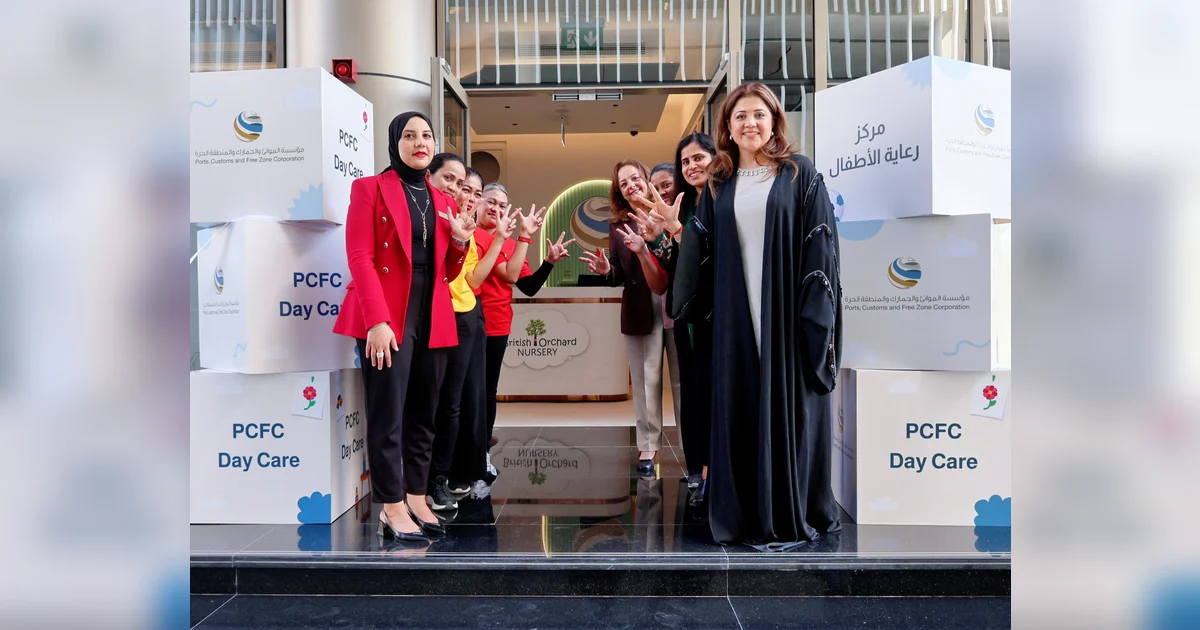

  • British Orchard Nursery expands with 15th government-linked branch

    British Orchard Nursery expands with 15th government-linked branch

    Dubai’s premier early childhood institution, British Orchard Nursery (BON), has marked a significant expansion milestone with the inauguration of its newest facility within the Ports, Customs and Free Zone Corporation (PCFC) headquarters. This opening represents the nursery chain’s 15th establishment within a UAE government entity and its 37th branch nationwide, reinforcing its position as the Emirates’ most decorated early education provider.

    The timing of this launch carries profound national significance, coinciding with both the UAE’s 54th National Day celebrations and the official designation of 2025 as the ‘Year of the Community’. This dual alignment underscores the nursery’s commitment to fostering social cohesion, familial support structures, and collaborative community development—cornerstones of the nation’s current strategic vision.

    The inauguration ceremony witnessed the presence of distinguished leadership including Sultan Ahmed bin Sulayem (PCFC Chairman), Nasser Al Neyadi (PCFC CEO), and Dr. Vandana Gandhi (BON Founder and CEO), alongside various departmental leaders. This high-level participation highlighted the institutional importance placed on early childhood development within government work environments.

    Dr. Gandhi emphasized the strategic significance of this expansion, noting its synchronization with nationwide educational quality enhancements. “Across the Emirates, regulatory bodies including KHDA, ADEK, and SPEA are implementing strengthened frameworks that prioritize educational excellence, transparency, and cultural preservation,” she stated. “Our BONQ inspection model, ISO-certified safety protocols, and EFQM-driven improvement culture directly align with these national objectives as we enter our twentieth operational year.”

    The new PCFC facility embodies contemporary pedagogical approaches centered on project-based, child-initiated learning experiences. Designed to stimulate curiosity and build emotional security, the nursery features open-ended resources, responsive learning environments, and culturally rich developmental spaces. This educational philosophy supports the UAE’s dual objectives of international benchmarking and cultural rootedness in early years’ education.

    Beyond educational services, this expansion represents a strategic partnership model between government entities and private providers. BON currently serves over fifteen government agencies, demonstrating how institutional collaboration can advance workforce support systems and sustainable, family-oriented workplace cultures. The PCFC branch specifically enhances work-life balance for government employees while extending quality early childhood services to broader community networks.

  • UAE airline Etihad Airways launches three weekly flights to Russia’s Kazan

    UAE airline Etihad Airways launches three weekly flights to Russia’s Kazan

    Etihad Airways has inaugurated a significant new air route connecting Abu Dhabi with Kazan, Russia, marking a strategic expansion of its global network. The inaugural flight EY839 arrived at Kazan International Airport on December 3, 2025, receiving a ceremonial welcome that celebrated the establishment of this new travel corridor.

    The service will operate three times weekly on Tuesdays, Thursdays, and Sundays, featuring a flight duration of approximately five hours between the two cities. This scheduling is strategically designed to accommodate both business travelers and tourists seeking weekend getaways or extended holiday opportunities.

    Natalia Goryunova, Etihad Airways’ Country Manager for Russia, emphasized the significance of this new route: “We’re delighted to welcome guests from Kazan to discover Abu Dhabi, a city that beautifully blends Emirati heritage with contemporary innovation. Through our Abu Dhabi hub, passengers can enjoy seamless connections to Southeast Asia, the Indian Subcontinent, the GCC region, and Australia.”

    The new connection provides substantial benefits for travelers in both directions, offering Russian passengers enhanced access to Etihad’s extensive global network while simultaneously creating new opportunities for international visitors to explore one of Russia’s fastest-growing regional capitals. Kazan, known for its rich cultural heritage and economic vitality, becomes the latest addition to Etihad’s expanding route map, strengthening economic and tourism ties between the United Arab Emirates and the Russian Federation.

  • Burkina Faso plans to restore death penalty for treason, terrorism, espionage

    Burkina Faso plans to restore death penalty for treason, terrorism, espionage

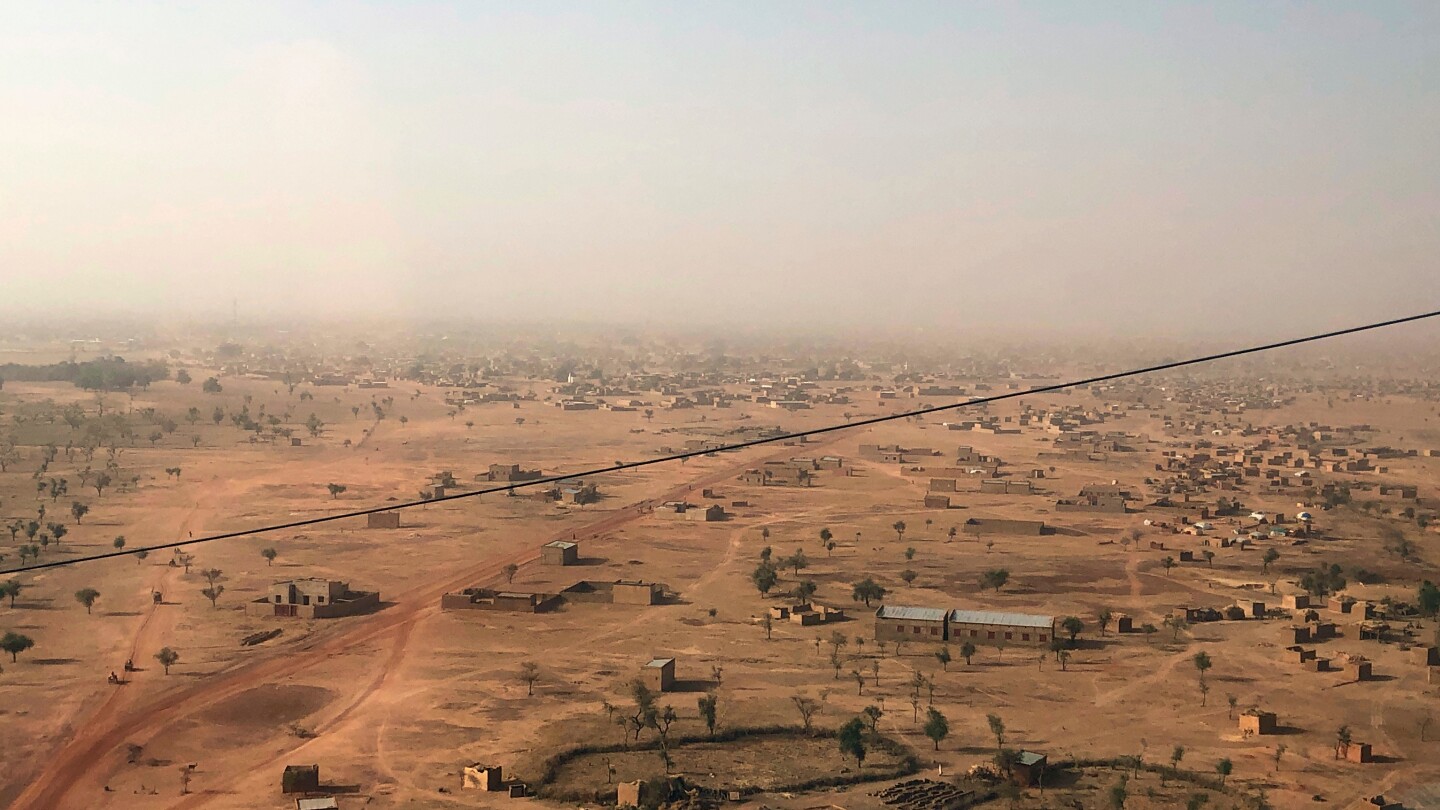
    DAKAR, Senegal — Burkina Faso’s military-led government has initiated a controversial legal reversal by approving draft legislation to reintroduce the death penalty for severe crimes including treason, acts of terrorism, and espionage. The Council of Ministers formally endorsed the bill in a significant policy shift that marks a departure from the nation’s 2018 abolition of capital punishment.

    Justice Minister Edasso Rodrigue Bayala characterized the move as part of broader judicial reforms, stating in an official Facebook communiqué that the measure aligns with ‘the deep aspirations of our people’ for a justice system addressing contemporary challenges. The proposal must now undergo parliamentary approval and judicial review before attaining legal force.

    This development occurs against a backdrop of sweeping governmental transformations implemented since the 2022 military coup. The ruling junta has previously postponed scheduled elections intended to restore civilian governance and dissolved the independent electoral commission. Concurrently, Burkina Faso has intensified media suppression, notably suspending BBC and Voice of America radio services for reporting on alleged military atrocities against civilians. Earlier this year, authorities detained three prominent journalists, continuing a pattern of suppressing dissenting voices.

    Burkina Faso joins several West African nations experiencing military takeovers amid widespread public dissatisfaction with elected governments’ handling of security crises. The landlocked nation of 23 million people confronts escalating violence from extremist factions affiliated with Al-Qaeda and the Islamic State, particularly in the volatile Sahel region south of the Sahara. International observers have repeatedly accused the current regime of human rights violations and systematic detention of government critics.

  • Around the world, refugees are shut out of the US by Trump’s new policies

    Around the world, refugees are shut out of the US by Trump’s new policies

    The Trump administration’s sweeping restructuring of the United States refugee admissions program has created a global humanitarian crisis, leaving approximately 600,000 applicants worldwide in a state of prolonged uncertainty. This policy shift, implemented immediately following President Trump’s inauguration, represents the most significant reduction in refugee resettlement in modern American history.

    The administration reduced refugee admissions to a historic low of 7,500 for the current fiscal year, with the majority of slots allocated to white South Africans. This dramatic reduction came alongside stringent new vetting requirements implemented after an Afghan national became a suspect in the shooting of two National Guard members. The administration has justified these measures as necessary for national security and economic protection, announcing plans to review refugees admitted during the previous Biden administration.

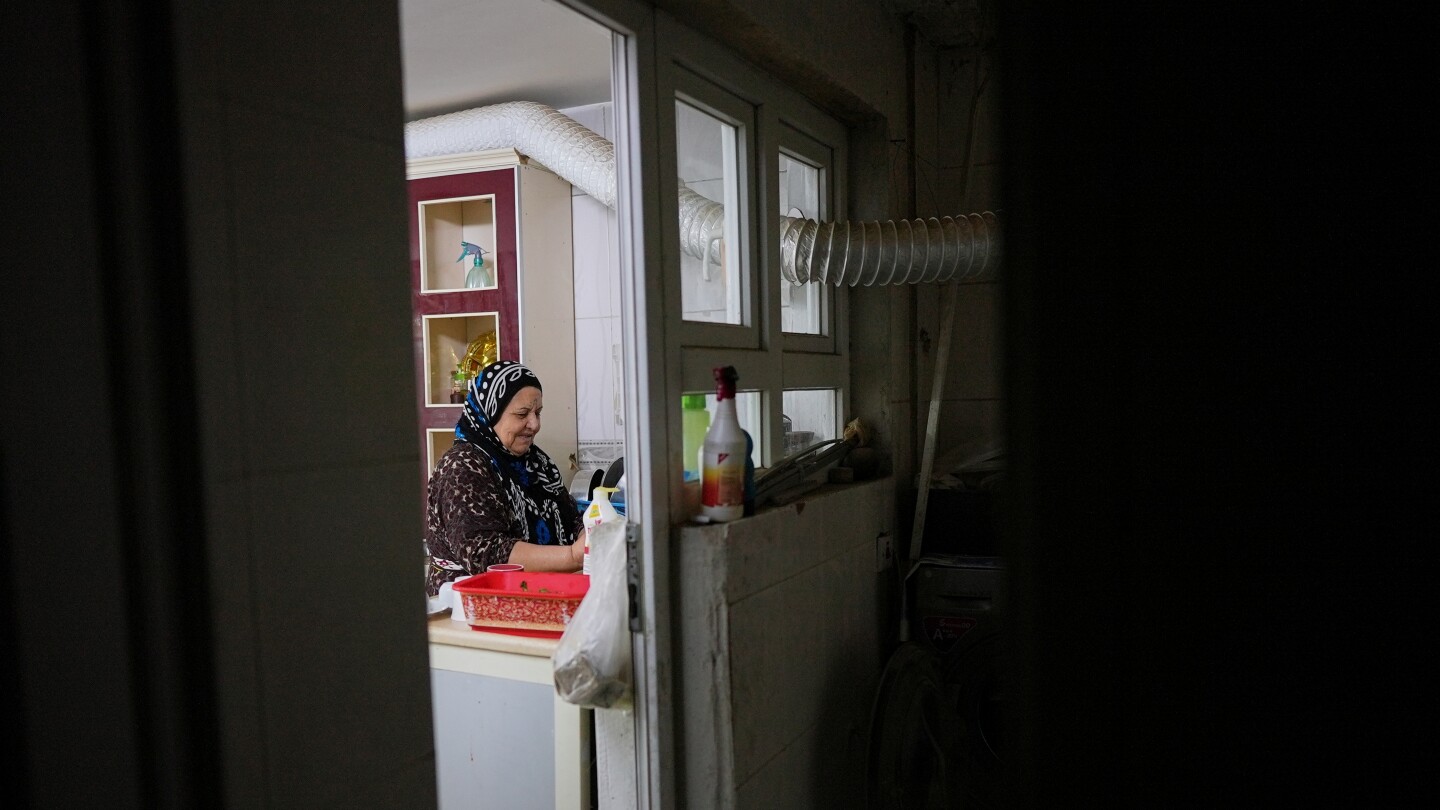
    Three distinct cases illustrate the human impact of these policy changes. The Dawood family, Syrian refugees residing in Iraq, became separated when medical complications prevented parents from joining their children who had already resettled in Connecticut. Their family reunion, once imminent, now hangs in indefinite suspension.

    Chinese Christian pastor Lu Taizhi, who fled religious persecution a decade ago, has seen his resettlement plans canceled multiple times despite official approval. Now living in precarious circumstances in Thailand, he expresses support for President Trump’s policies while awaiting resolution of his case.

    Meanwhile, Louis, a Congolese refugee resettled in Kentucky, faces heartbreaking separation from his wife and two young children who remain in a Ugandan refugee camp. His family reunification petition has been frozen under the new policies, creating emotional and practical challenges for the divided family.

    Refugee advocates have mounted legal challenges to the administration’s policies. Mevlüde Akay Alp, an attorney with the International Refugee Assistance Project, emphasized the importance of honoring America’s commitment to those who had received preliminary approval. ‘It’s crucial that we don’t abandon those families and thousands of others who were relying on the promise of coming here as refugees,’ Alp stated.

    The policy changes have created a massive backlog in refugee processing while raising questions about America’s traditional role as a humanitarian leader. Administration officials maintain that the enhanced vetting procedures and reduced admissions are necessary security measures that prioritize American interests.

  • South Africa extend Erasmus contract to 2031 World Cup

    South Africa extend Erasmus contract to 2031 World Cup

    In a decisive move to secure the future of South African rugby, the national union has finalized a landmark contract extension with head coach Rassie Erasmus that will keep him at the helm until the conclusion of the 2031 Rugby World Cup. The 53-year-old mastermind, whose previous agreement was set to expire after the 2027 tournament, will now lead the Springboks’ campaign for an unprecedented third consecutive world title and beyond.

    Erasmus characterized the negotiation process as ‘a quick and easy conversation,’ emphasizing his profound connection to the South African team. ‘I have consistently maintained that coaching any other international squad would present considerable difficulty for me,’ Erasmus stated. ‘It brings me great satisfaction to continue in this role for as long as the South African public desires my leadership.’

    The announcement coincides with South Africa’s revelation of their inaugural Nations Championship fixtures, featuring a highly-anticipated encounter against England at Johannesburg’s Ellis Park Stadium on July 4th. The venue, situated nearly 1,800 meters above sea level, provides a significant altitude advantage. Additional summer matches include confrontations with Scotland at Pretoria’s Loftus Versfeld (1,350m altitude) on July 11th and Wales in coastal Durban on July 18th.

    Erasmus’ transformational impact on South African rugby cannot be overstated. When he assumed the director of rugby position in March 2018, the Springboks had deteriorated to sixth in global rankings with merely 11 victories from their previous 25 Test matches. His predecessor Allister Coetzee concluded his tenure with a narrow 24-22 defeat against Wales in Cardiff.

    Under Erasmus’ strategic guidance, South Africa achieved remarkable success, capturing the Rugby Championship and Rugby World Cup titles in 2019. Following this triumph, speculation emerged regarding a potential move to coach England, particularly after Erasmus attended England’s victory over Scotland at Murrayfield. The coach decisively quashed these rumors through a social media post featuring his team talk before the World Cup final victory over England, accompanied by the caption: ‘Not sure I would know what to say to any other team before a W Cup final. Not happening!!!’ This post remains pinned to his X profile.

    The Springboks subsequently defended their world championship in France four years later, establishing themselves as dominant leaders in world rankings with 23 victories from their last 27 Tests. SA Rugby confirmed that negotiations with other members of the coaching staff, including Irishman Felix Jones, compatriot Jerry Flannery, and longstanding backs coach Mzwandile Stick, will be announced subsequently.

  • Sharjah announces fines for vehicles still displaying National Day stickers

    Sharjah announces fines for vehicles still displaying National Day stickers

    Sharjah Police have issued a definitive Saturday deadline for motorists to remove all National Day celebration decals from their vehicles, with violations announced for non-compliance following recent traffic safety enforcement actions. The directive comes as authorities revealed they impounded 106 vehicles and nine motorcycles during the 54th Eid Al Etihad celebrations due to serious traffic offenses that jeopardized public safety.

    According to the official advisory from Sharjah Police General Command, vehicles found displaying National Day stickers beyond the December 6 deadline will face financial penalties. This regulatory measure follows a documented pattern of traffic violations during the national celebrations, including excessive noise generation, public disturbance, and reckless driving maneuvers that endangered road users. Police reports additionally indicated that some apprehended motorists were operating vehicles without valid driving licenses.

    The enforcement initiative aligns with observed changes in National Day celebration patterns, as earlier reported by Khaleej Times. Vehicle decorators noted a growing preference among residents for more sophisticated and minimalist car designs during the recent celebrations, with customization shops experiencing increased demand for creative yet tasteful expressions of national pride.

    This coordinated approach to traffic regulation demonstrates Sharjah authorities’ balanced strategy of encouraging patriotic expression while maintaining strict road safety standards and public order considerations.

  • Kenya signs landmark health deal with US despite data fears

    Kenya signs landmark health deal with US despite data fears

    In a significant departure from traditional aid models, the United States and Kenya have formalized a groundbreaking five-year health agreement valued at $2.5 billion. This pact represents the inaugural implementation of the Trump administration’s restructured foreign assistance approach, which prioritizes direct government-to-government partnerships over conventional channels.

    The comprehensive health initiative allocates $1.7 billion from US contributions alongside Kenya’s $850 million commitment, establishing a framework where Nairobi will progressively assume greater financial responsibility. The collaboration specifically targets HIV/AIDS, malaria, tuberculosis prevention and treatment, alongside maternal healthcare, polio eradication, and infectious disease outbreak preparedness.

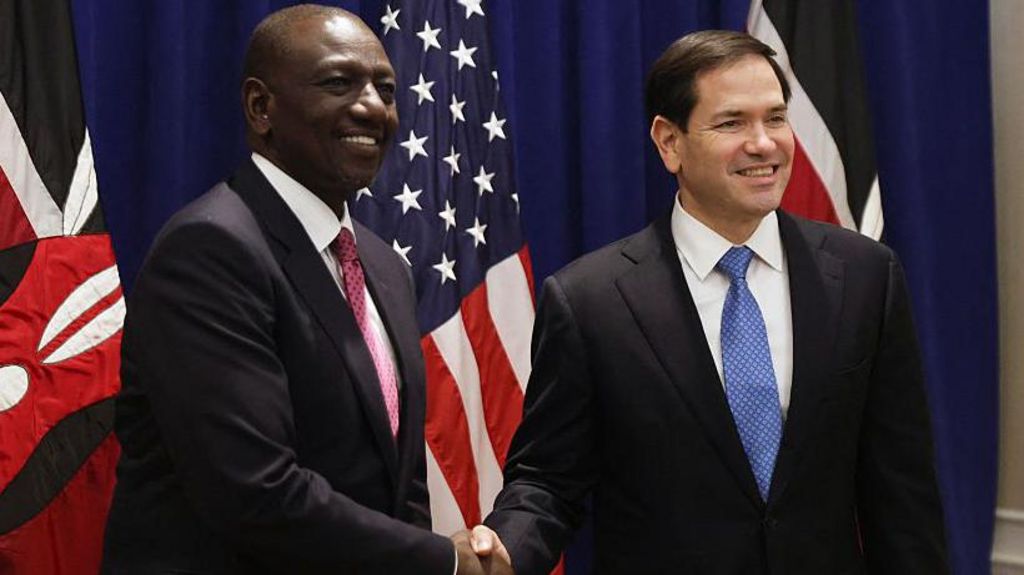
    US Secretary of State Marco Rubio, during the signing ceremony with Kenyan President William Ruto, emphasized the strategic nature of the partnership, acknowledging Kenya as a “longstanding American ally” and praising its international contributions, particularly regarding peacekeeping operations in Haiti. The agreement forms part of the broader “America First Global Health Strategy” introduced in September, which conditions assistance on bilateral negotiations aimed at reducing perceived inefficiencies in traditional aid distribution.

    Despite official assurances, the arrangement has generated substantial debate regarding data privacy protections. Concerns have emerged that the partnership might grant US authorities access to sensitive Kenyan health databases containing patient information. Health Minister Aden Duale has actively addressed these apprehensions, clarifying that only de-identified, aggregated data would be shared under strict adherence to Kenyan legal protections.

    The agreement emerges against the backdrop of substantial reductions in US foreign aid, including the dismantling of USAID and billions in assistance cuts to developing nations initiated during Trump’s first presidential day. These reductions have previously triggered medication shortages across multiple recipient countries.

    US officials indicate this Kenya arrangement serves as a prototype for similar health partnerships with other African nations aligned with US foreign policy objectives, with additional agreements anticipated before year’s end.

  • Why Somali migrants may still aim for US despite travel restrictions

    Why Somali migrants may still aim for US despite travel restrictions

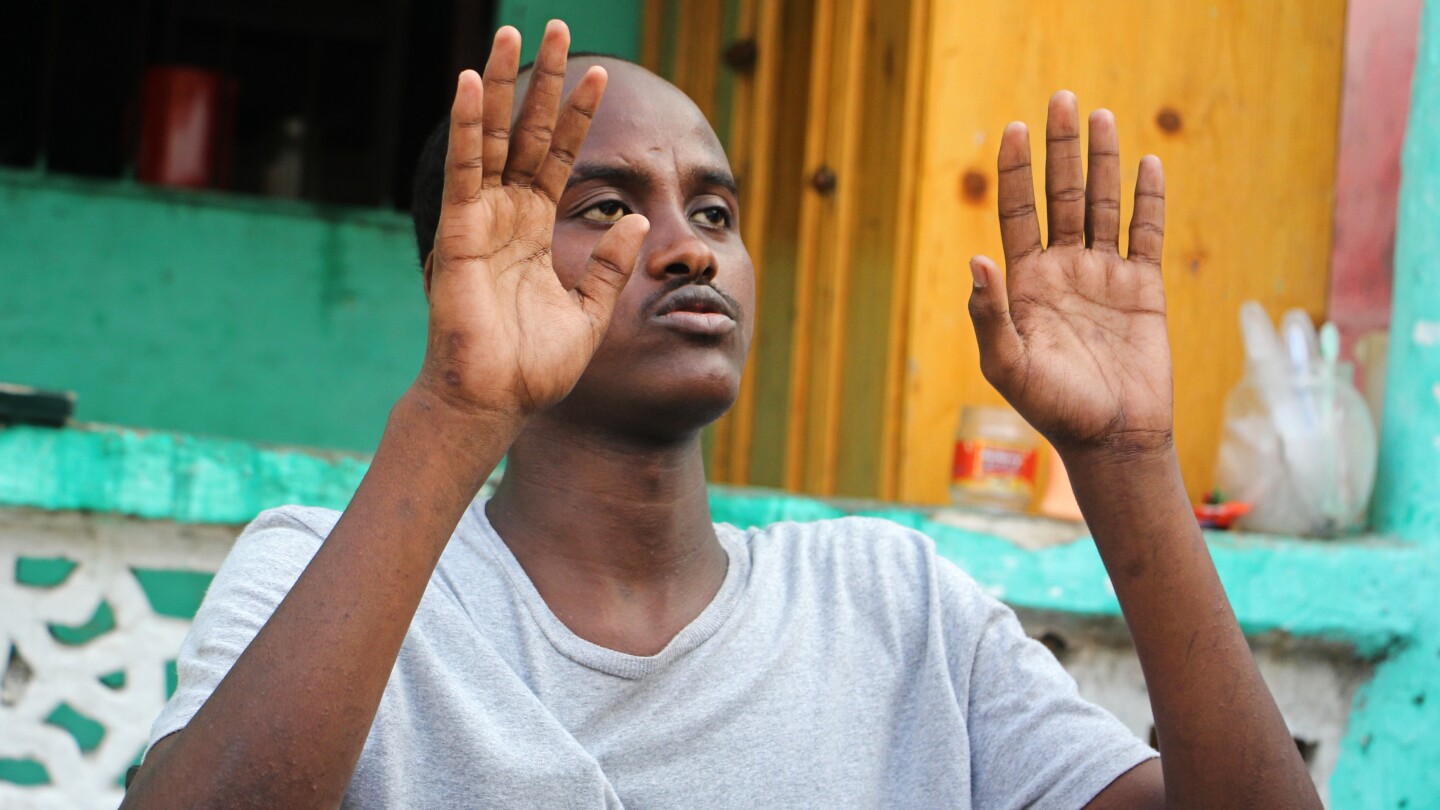
    MOGADISHU, Somalia — Mohamed Abdi Awale’s harrowing quest for a better life in Western nations culminated in unimaginable suffering, yet his resolve remains unbroken. Recently repatriated from Libya among 165 Somali migrants, Awale represents the countless individuals risking everything despite increasingly restrictive immigration policies.

    Awale’s 5,000-kilometer odyssey began in Mogadishu, traversing Kenya, Uganda, South Sudan, and Sudan before his capture near the Sudan-Libya border. In the Sahara oasis town of Kufra, smugglers subjected him to systematic torture, filming the brutality to extort $17,000 from his desperate family. “Torture became normal,” Awale recounted. “They beat you until you fainted. Some people lost their minds. Others didn’t survive.”

    His mother, Hawo Elmo Rage, turned to social media when confronted with the ransom demand, pleading with the global Somali diaspora to save her son. “They told me to send the money or they would take his life,” she explained.

    After his release, Awale’s ordeal continued as his vehicle broke down en route to the Mediterranean coast, forcing a grueling two-week trek through the desert where starvation and dehydration nearly claimed their lives. Subsequent detention in Libyan prisons near Sirte and Tripoli preceded his eventual repatriation in November.

    Awale joins approximately 3.5 million internally displaced Somalis and hundreds of thousands who have fled the country’s three-decade civil war. While most refugees remain in neighboring countries like Kenya, many aspire to reach Western nations despite mounting obstacles.

    The Trump administration’s travel ban targeting Somalia and eleven other nations, implemented in June, forced Awale to redirect his ambitions toward Europe. Additional restrictions announced this week further complicate immigration prospects for Somalis. Despite these barriers and anti-immigrant rhetoric from the White House, Awale clings to his childhood dream of eventually reaching the United States. “My dream was America, but I felt like Trump closed that door,” he reflected. “Maybe after Trump’s term ends.”

    His mother, while fearful for his safety, acknowledges his pursuit of opportunity: “I want him to stay. But I know he wishes for a better life. I pray God gives him a safe future—not the dangerous one he found.”

  • UAE schools warn long winter break could lead to ‘learning regression’

    UAE schools warn long winter break could lead to ‘learning regression’

    Educational leaders across the United Arab Emirates are raising concerns about potential academic setbacks during the country’s extended winter vacation period. With students embarking on a four-week break from December 8, 2025, to January 4, 2026, school administrators emphasize the delicate balance between necessary rest and maintaining educational momentum.

    Principals from multiple institutions have expressed that while downtime is crucial for student wellbeing, complete academic disengagement can result in significant learning regression. Research indicates that prolonged breaks may cause students to lose approximately 20-30% of their term gains in fundamental subjects like mathematics and literacy.

    Natalia Klykova, Principal of Woodlem British School in Ajman, explained their balanced approach: “We deliberately avoid traditional homework assignments, instead providing optional, curiosity-driven activities. These include brief daily reading sessions, practical kitchen measurements, nature observation journals, and pattern recognition exercises.”

    At Gems Founders School in Dubai, Executive Principal Matthew Burfield referenced OECD findings documenting measurable declines in academic achievement following extended holidays. “While we make digital learning platforms available,” Burfield noted, “we respect family diversity and avoid imposing rigid frameworks during vacation time.”

    Curriculum specialists advocate for “low-pressure academic continuity” through simple daily routines. Shanthi Subramanian, Head of Curriculum at The Oxford School Dubai, recommends integrating education into everyday activities: “Reading for pleasure for 10-15 minutes daily, involving children in budgeting and measurement tasks, and engaging educational board games can maintain cognitive engagement without pressure.”

    Schools are preparing for a supportive return in January 2026, implementing soft-start days, structured revision sessions, and wellbeing check-ins to help students readjust over an anticipated three-to-five day transition period.