标签: Africa

非洲

  • The business of beauty: How art investing is flourishing in UAE

    The business of beauty: How art investing is flourishing in UAE

    The United Arab Emirates is rapidly transforming into a premier global destination for art investment, blending cultural appreciation with sophisticated wealth management strategies. According to the Art & Finance Report 2023 from Deloitte, the global value of art and collectibles on wealthy investors’ balance sheets is projected to reach approximately $2.861 trillion by 2026, with the UAE establishing itself as a crucial contributor to this expansion.

    This remarkable growth stems from the nation’s unique position as an international crossroads where Eastern and Western influences converge. The substantial expatriate community, particularly affluent individuals, has been instrumental in cultivating a vibrant art market. The Henley Private Wealth Migration Report 2025 indicates the UAE will attract more millionaires than any other country for the third consecutive year, creating an ideal environment for art as both passion and investment.

    Smita Prabhakar, founder of Dubai’s Ishara Art Foundation, embodies the philosophical approach to collecting: “I consider myself a custodian of my artwork for the moment. I feel I have the privilege of being able to have in my custody works that represent artistic practices and thoughts.”

    Meanwhile, practical market dynamics are driving innovation. Norman Lowe, a British investment advisor based in the Emirates, notes: “Culture is a big thing here. With growing museums and galleries, plus supportive investment policies, the segment is getting a significant boost.”

    The digital revolution has democratized art commerce, enabling local artists to achieve international visibility without substantial exhibition costs. Guru, a UAE-based Indian artist, explains: “I’m moving my collection through Instagram and Facebook. Initially, my paintings weren’t selling quickly, but now they reach Sweden and Germany. As visibility increases, so do prices.”

    Market maturation continues with the development of a ‘middle market’ for reasonably priced artworks with appreciation potential. Fractional ownership platforms like 1001.art now offer shares in iconic works by Picasso, Warhol, and Banksy, making high-value art accessible to more investors.

    However, experts caution that art investment requires both passion and strategy. As Spanish collector Iñigo notes: “I concentrate on contemporary art not only as investment—most pieces I buy gain value over time, but I only acquire works I genuinely appreciate.”

    While blue-chip artists generally appreciate steadily, the market lacks liquidity compared to traditional assets. The intersection of emotional connection and financial calculation ultimately defines the UAE’s unique art investment landscape, where cultural sophistication meets economic opportunity.

  • Meet UAE’s leading cybersecurity experts

    Meet UAE’s leading cybersecurity experts

    In an era defined by escalating digital threats, a new cadre of cybersecurity pioneers is emerging as the critical line of defense for global organizations. These technological strategists are navigating increasingly sophisticated cyber landscapes while architecting robust security frameworks that safeguard essential infrastructure and sensitive data ecosystems.

    These experts employ cutting-edge technological solutions that extend beyond conventional security protocols, implementing advanced artificial intelligence systems, predictive threat analytics, and zero-trust architectures. Their approach represents a fundamental shift from reactive security measures to proactive defense mechanisms capable of anticipating novel attack vectors before they manifest.

    The human element remains equally crucial to their strategy. These leaders are cultivating specialized security teams through comprehensive training initiatives and fostering organizational cultures that prioritize cyber resilience at every operational level. By merging technological innovation with human expertise, they create multidimensional defense systems that adapt dynamically to evolving threats.

    Their work transcends traditional IT security, encompassing critical infrastructure protection across financial systems, healthcare networks, energy grids, and governmental operations. As digital transformation accelerates across all sectors, the role of these cybersecurity visionaries becomes increasingly vital to maintaining operational continuity and protecting against potentially catastrophic breaches.

    The evolving nature of cyber threats demands continuous innovation in defense methodologies, with these experts consistently developing new frameworks to address emerging challenges in cloud security, IoT vulnerabilities, and sophisticated ransomware campaigns that threaten global economic stability.

  • World Food Program warns of catastrophic hunger in Cameroon without additional funding

    World Food Program warns of catastrophic hunger in Cameroon without additional funding

    YAOUNDE, Cameroon — The World Food Program (WFP) issued an urgent warning on Friday that catastrophic hunger levels loom over vulnerable populations in Cameroon unless immediate funding of $67 million is secured. This financial shortfall threatens to reverse years of progress in combating food insecurity across the Central African nation.

    Gianluca Ferrera, WFP’s Country Representative for Cameroon and Sao Tome and Principe, addressed journalists in the capital Yaoundé, emphasizing that without this critical funding, most ongoing humanitarian operations would face termination. “The suspension of these vital activities would trigger multiple cascading risks,” Ferrera stated, highlighting the precarious situation.

    Cameroon currently grapples with what the Norwegian Refugee Council identifies as the world’s most neglected displacement crisis, driven by three simultaneous emergencies: the persistent Boko Haram insurgency in the northern territories, an ongoing separatist conflict in the English-speaking regions, and a continuous influx of refugees fleeing violence in the Central African Republic along the eastern border. These man-made crises, exacerbated by climate-related shocks, have created a perfect storm of displacement and food insecurity.

    The humanitarian statistics paint a grim picture: over 3.3 million people require immediate assistance while more than 2 million remain internally displaced. The funding crisis will have immediate consequences—starting in January, approximately 52,000 children will lose access to school meal programs. Additionally, WFP plans to scale down operations significantly, potentially closing five field offices, which would eliminate food and nutrition assistance for over half a million vulnerable individuals.

    The funding contrast is stark: in 2022, WFP secured $106 million for Cameroon operations, while current contributions barely reach $20 million. This dramatic reduction occurs against the backdrop of unprecedented cuts to U.S. foreign aid, which totaled $64 billion in 2023 according to comprehensive figures. The previous administration’s closure of USAID was celebrated by some officials, though a July Lancet medical study credited USAID programs with preventing approximately 91 million deaths globally in the first two decades of this century alone.

  • Dubai: 1,500 athletes to compete in Asian Youth Para Games

    Dubai: 1,500 athletes to compete in Asian Youth Para Games

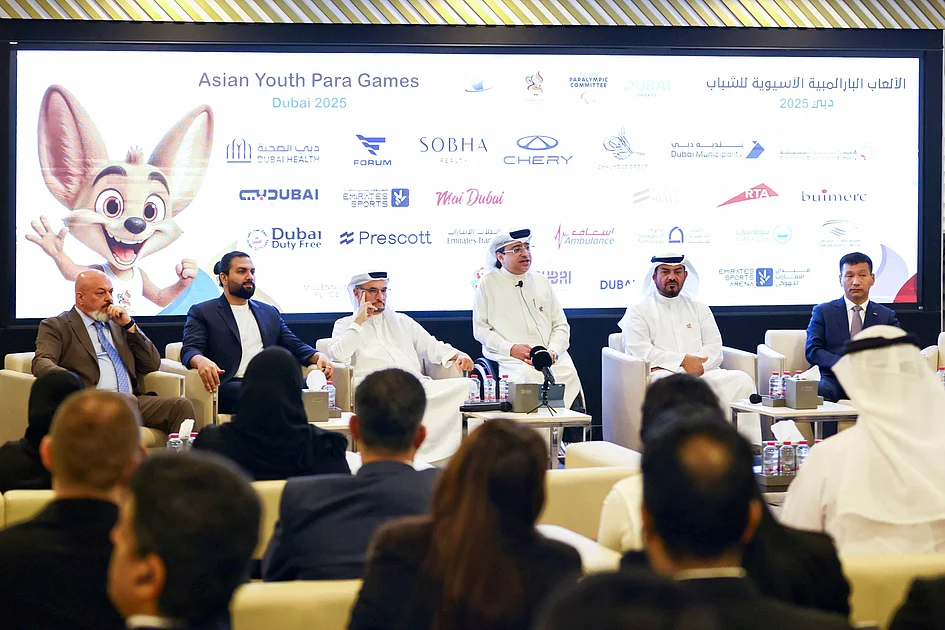
    Dubai is poised to host the Asian Youth Para Games for an unprecedented second time in December 2025, marking a significant milestone in para sports history. The event will welcome 1,500 exceptional young athletes representing 35 nations—the largest participation ever recorded in the competition’s history.

    From December 10-13, world-class venues across Dubai will host competitions across 11 para sports disciplines. The games will feature both established events including Para athletics, swimming, boccia, powerlifting, table tennis, archery, goalball, badminton, wheelchair basketball, and taekwondo, alongside the historic debut of Para Armwrestling on the continental stage.

    Iran will field the largest contingent with 195 athletes, building on their dominant performance at the previous edition in Bahrain 2021 where they secured 51 gold medals. The host nation UAE will be represented by 55 athletes, demonstrating the country’s growing commitment to para sports development.

    The opening ceremony is scheduled for December 10 at the Dubai Club for People of Determination Stadium. The event operates under the patronage of Sheikh Mansoor bin Mohammed bin Rashid Al Maktoum, President of the UAE National Olympic Committee and Chairman of the Dubai Sports Council.

    At a recent press conference at the Dubai Sports Council, organizers unveiled more than 40 sponsors and partners. Saeed Hareb, Secretary General of the Dubai Sports Council, emphasized the symbolic timing of the event, noting its coincidence with the 54th UAE National Day celebrations. He highlighted how the games reflect the nation’s organizational capabilities and commitment to excellence across all fields.

    The 2025 edition builds upon Dubai’s successful hosting of the games in 2017, further cementing the emirate’s reputation as a global hub for para sports excellence and inclusive athletic development.

  • Who has been called up for Afcon 2025?

    Who has been called up for Afcon 2025?

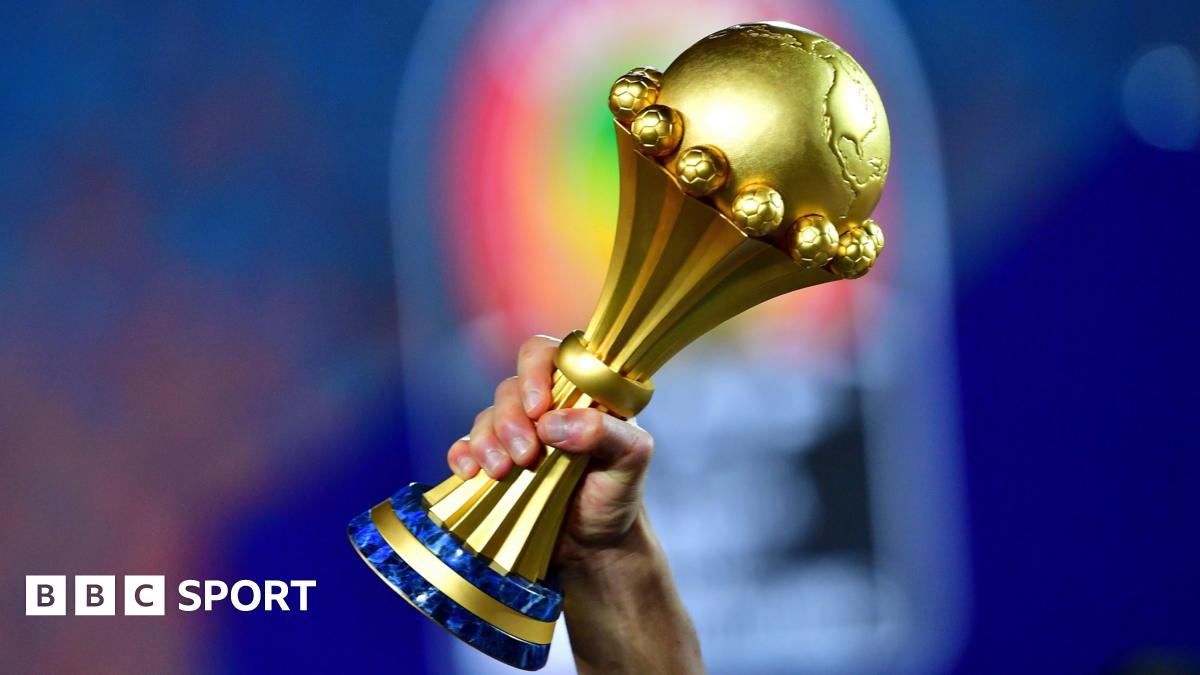
    The 35th edition of Africa’s premier football tournament, the Africa Cup of Nations (AFCON), is set to commence in Morocco on December 21, 2025, culminating in the final on January 18, 2026. This prestigious continental championship will feature 24 national teams competing for the title currently held by Ivory Coast, who claimed their third AFCON trophy by defeating Nigeria 2-1 in the 2023 final.

    In a significant development for the 2025 tournament, competing nations will be permitted to select expanded squads of up to 28 players, providing coaches with greater flexibility and depth throughout the competition. The official squad submission deadline is set for Thursday, December 11, with clubs mandated to release selected players by Monday, December 15.

    Preliminary squad announcements reveal intriguing selections across participating nations. Angola’s provisional roster features European-based talents including Cagliari’s Zito Luvumbo and Swansea City’s Manuel Benson. Benin’s preliminary selection includes Burnley’s Andreas Hountondji and Alanyaspor’s Steve Mounie among their attacking options.

    Cameroon’s preliminary squad showcases significant firepower with Manchester United’s Bryan Mbeumo and Brighton’s Carlos Baleba, while the Democratic Republic of Congo’s selection includes West Ham’s Aaron Wan-Bissaka and Celtic’s Michel-Ange Balikwisha.

    Mozambique’s preliminary roster features Sporting Lisbon’s Geny Catamo and Sunderland’s Reinildo Mandava, while South Africa’s squad includes Burnley’s Lyle Foster and Club Brugge’s Shandre Campbell among their attacking contingent.

    The tournament will feature traditional African football powerhouses including defending champions Ivory Coast, record seven-time winners Egypt, Morocco, Senegal, Algeria, Nigeria, Tunisia, Cameroon, and Zambia, all vying for continental supremacy in what promises to be a highly competitive edition of Africa’s most prestigious football competition.

  • Six hospitals from Aster DM Healthcare network in the UAE recognised in Newsweek’s best specialised hospitals in Middle East 2026 list

    Six hospitals from Aster DM Healthcare network in the UAE recognised in Newsweek’s best specialised hospitals in Middle East 2026 list

    Aster DM Healthcare has secured exceptional recognition in Newsweek’s prestigious Best Specialized Hospitals Middle East 2026 rankings, with nine facilities across the GCC region earning distinguished placements. The comprehensive evaluation, conducted in partnership with global data firm Statista, identifies leading healthcare institutions across seven Middle Eastern countries based on rigorous criteria including international peer recommendations, accreditation standards, and implementation of Patient-Reported Outcome Measures (PROMs).

    The UAE network demonstrated remarkable clinical excellence with six facilities receiving specialized accolades. Aster Hospital Al Qusais gained recognition for neurological care, while Aster Hospital Mankhool achieved dual PROMs-based distinctions in orthopedics. Medcare Hospital Al Safa earned gastroenterology honors, Medcare Hospital Sharjah secured neurology recognition, and specialized facilities Medcare Orthopedics and Spine Hospital along with Medcare Women and Children Hospital received orthopedics and pediatrics distinctions respectively.

    Beyond the UAE, Aster’s regional presence shone with Aster Royal Al Raffah Hospital in Muscat achieving the broadest specialty recognition in Oman across five disciplines: gastroenterology, neurology, oncology, orthopedics, and pediatrics. Aster Al Raffah Hospital in Sohar received gastroenterology recognition, while Aster Hospital Qatar secured dual honors in gastroenterology and pediatrics, underscoring its expanding leadership in comprehensive family care services.

    Alisha Moopen, Managing Director and Group CEO of Aster DM Healthcare GCC, emphasized that this achievement reflects the organization’s robust clinical ecosystem and medical expertise. “With nine hospitals recognized across multiple specialties throughout the GCC, we demonstrate our sustained commitment to outcome-driven specialized care,” Moopen stated. “We continue to advance our mission of making world-class medical expertise accessible to patients across the Middle East within their communities.”

    The conglomerate, operating 15 hospitals throughout the GCC, maintains its commitment to healthcare excellence through expanded centers of specialization, integrated advanced diagnostics, and implementation of best-practice clinical protocols across its network. This widespread recognition across five specialized disciplines confirms Aster’s enduring dedication to delivering complex treatments with superior outcomes and enhanced patient experiences throughout the region.

  • Exploring a Nigerian photographer’s iconic ‘Hairstyles’ series

    Exploring a Nigerian photographer’s iconic ‘Hairstyles’ series

    The extraordinary artistic legacy of Nigerian photographer J.D. ‘Okhai Ojeikere continues to receive global recognition for his groundbreaking ‘Hairstyles’ series—an unparalleled visual documentation project spanning several decades. Beginning in the 1960s and continuing throughout his career, Ojeikere meticulously captured more than 2,000 distinct traditional Nigerian hairstyles, transforming everyday cultural expressions into enduring works of art.

    Ojeikere’s approach combined anthropological precision with artistic sensibility. Each photograph served as both aesthetic statement and historical record, preserving intricate braiding techniques, symbolic patterns, and regional variations that might otherwise have been lost to modernization. His black-and-white portraits elevated hairstyling from mundane practice to cultural artifact, documenting everything from everyday styles to elaborate ceremonial creations.

    The series represents more than mere documentation—it constitutes a visual anthropology of Nigerian identity through the lens of hair culture. Ojeikere captured the mathematical precision of geometric patterns, the social significance of specific styles, and the technical mastery required to create these temporary sculptures. His work reveals how hairstyles function as communication tools, indicating marital status, ethnic affiliation, social standing, and even philosophical beliefs.

    Today, Ojeikere’s archive serves as an invaluable resource for cultural historians, artists, and fashion designers worldwide. His photographs have been exhibited at prestigious institutions including the Museum of Modern Art in New York and the Victoria and Albert Museum in London, introducing global audiences to the sophisticated beauty of Nigerian hair traditions. The series stands as both artistic achievement and cultural preservation, ensuring that these transitory art forms remain accessible to future generations.

  • UAE: Pakistani baby survives rare immune disorder after urgent bone marrow transplant

    UAE: Pakistani baby survives rare immune disorder after urgent bone marrow transplant

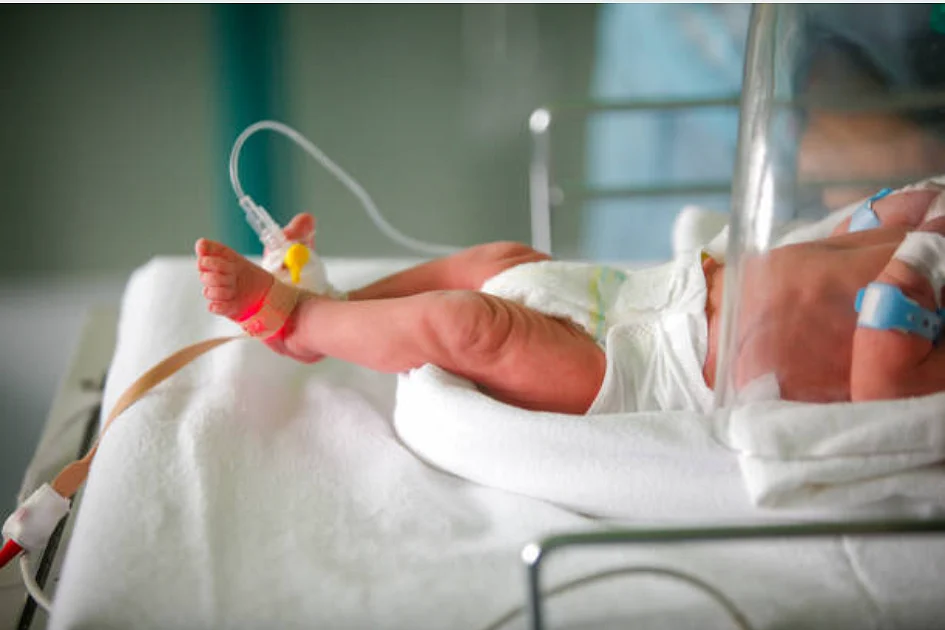
    In an extraordinary medical achievement, a two-month-old Pakistani infant has successfully overcome a life-threatening congenital immune disorder following an emergency bone marrow transplant procedure in Abu Dhabi. The breakthrough case at Yas Clinic Khalifa City represents a significant advancement in pediatric critical care methodologies.

    The infant, identified as Ayra, arrived at the facility in critical condition after weeks of unsuccessful treatment at another hospital. Medical examinations revealed she was combating three simultaneous severe infections while showing signs of organ stress and requiring medication to sustain blood pressure. This medical crisis stemmed from a rare congenital immunodeficiency that left her without natural infection-fighting capabilities.

    Dr. Mansi Sachdev, Clinical Lead and Consultant of Paediatric Haematology, Oncology and Bone Marrow Transplant, explained the unprecedented challenges: ‘The conventional treatment protocol involving chemotherapy was not viable due to her critically compromised condition. Our only recourse was to perform an immediate transplant without standard preparatory procedures, relying entirely on her father’s healthy stem cells to combat the infections.’

    The medical team discovered the infant’s father was a complete HLA (Human Leukocyte Antigen) match, enabling the high-risk procedure. This surgical intervention is considered exceptionally rare in pediatric medicine due to its inherent risks when performed without standard chemotherapy preparation.

    Two months post-transplant, medical staff report remarkable progress. Ayra is now breathing independently, feeding normally, and has successfully cleared all three viral infections. The medical team anticipates her imminent discharge from the facility.

    Dr. Maysoon Al Karam, Chief Medical Officer, emphasized the broader implications: ‘This case demonstrates the critical importance of early diagnosis and coordinated multidisciplinary care. The successful outcome illustrates what timely intervention and specialized medical management can achieve even with extremely fragile patients.’

    The family’s medical history revealed they had previously lost another daughter to a similar undiagnosed condition at eighteen months old, highlighting the significance of this medical breakthrough for families dealing with rare immunological disorders.

  • Western countries press Tanzania to release bodies of post-election victims

    Western countries press Tanzania to release bodies of post-election victims

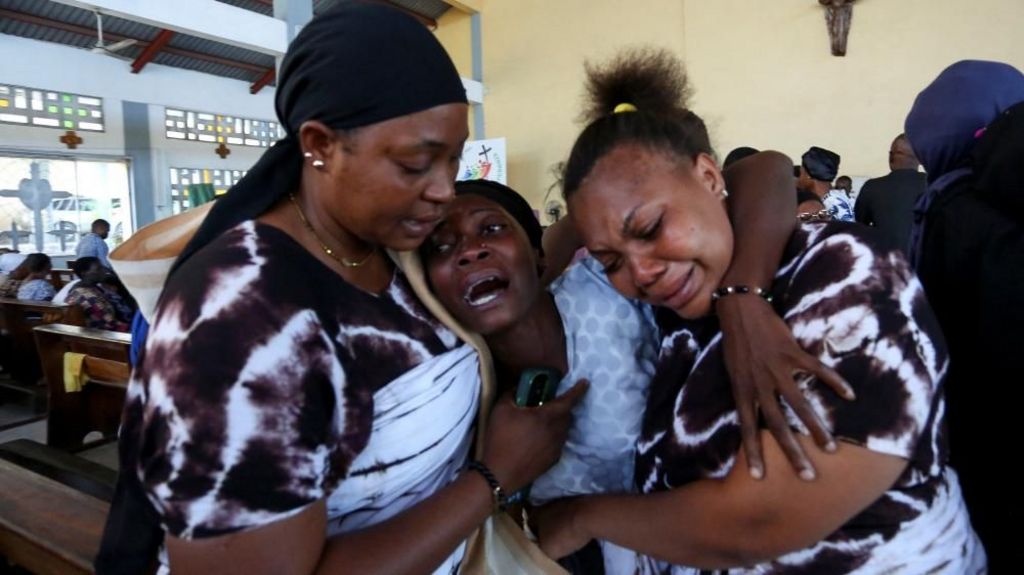
    A coalition of Western embassies has intensified diplomatic pressure on Tanzania, demanding the immediate release of bodies belonging to victims of October’s electoral violence and calling for the liberation of political prisoners. The joint statement from 17 diplomatic missions—including the UK, France, Canada, Norway, Switzerland, and multiple EU members—cited credible reports of extrajudicial killings, disappearances, arbitrary arrests, and systematic concealment of bodies by Tanzanian authorities during post-election unrest.

    The diplomatic intervention follows President Samia Suluhu Hassan’s recent condemnation of Western interference in Tanzania’s internal affairs. The government has not issued an official death toll, though hundreds are believed killed during violent crackdowns on demonstrations that erupted after the October 29 presidential election. President Samia was declared winner with nearly 98% of votes amid controversy surrounding the exclusion of her main rivals, which opposition groups denounced as a ‘mockery of democracy’.

    Authorities imposed an internet blackout and threatened individuals sharing protest imagery during the unrest. While at least 240 people faced treason charges initially, the president later urged prosecutors to demonstrate leniency, resulting in many releases. However, opposition leader Tundu Lissu remains imprisoned on treason charges filed in April.

    The Western coalition acknowledged the government’s commitment to investigate the violence but emphasized the necessity of an independent, transparent inquiry involving civil society organizations and political stakeholders. They further urged Tanzania to uphold its international commitments to protect fundamental freedoms and constitutional rights.

    United Nations Human Rights Office spokesman Seif Magango corroborated these concerns in Geneva, reporting intensified crackdowns against opponents since mid-November, with dozens of academics, civil society actors, and local political leaders detained—some allegedly by unidentified armed personnel. Magango estimated hundreds killed and over 2,000 detained following post-election demonstrations.

    The U.S. State Department announced it is reconsidering bilateral relations with Tanzania following what it termed a ‘heavy-handed response’ against protesters, noting it ‘cannot overlook actions that jeopardize the safety of our citizens, or the security and stability of the region.’

    President Samia defended her government’s actions as necessary against protesters she claimed were ‘ready to overthrow the government,’ repeating unsubstantiated allegations that foreign actors colluded with opposition groups to force regime change. The president, who assumed office in 2021 following John Magufuli’s death, initially earned praise for easing political repression but has since presided over a narrowing political space.

  • Namibia loses bid to overturn ban on rhino horn trade

    Namibia loses bid to overturn ban on rhino horn trade

    In a decisive move at the Convention on International Trade in Endangered Species (CITES) summit in Samarkand, Uzbekistan, member states overwhelmingly rejected Namibia’s proposals to legalize international trade in black and white rhino horns. The proposals, which required a two-thirds majority for adoption, garnered only approximately 30 supporting votes out of 120 participating nations.

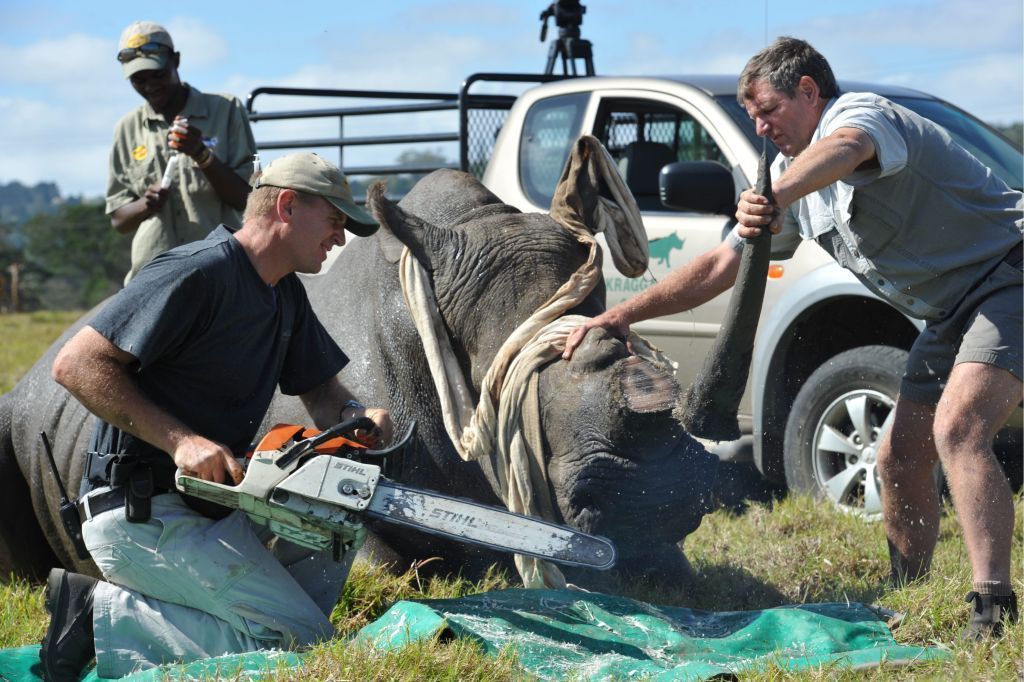
    Namibia, which pioneered rhino dehorning in 1989 to deter poachers, had also sought to overturn the ban on African savanna elephant ivory—a measure that was similarly defeated. The nation’s push for legal trade comes amid record poaching levels, with government data revealing 87 rhinos killed illegally in 2022—nearly double the previous year’s figures.

    Conservation experts attribute Namibia’s motivation to substantial rhino horn stockpiles accumulated through dehorning programs. Taylor Tench, senior wildlife policy analyst at the Environmental Investigation Agency, revealed Namibia possesses approximately 6.45 tonnes of white rhino horn and 4.6 tonnes of black rhino horn, while South Africa’s stockpiles are estimated at four times that amount.

    The debate exposes deep divisions in conservation strategy. Pro-trade advocates argue legalization would generate revenue for conservation efforts and help private rhino owners offset anti-poaching costs. Opponents, however, warn that legitimizing trade would stimulate demand in Asian markets where rhino horn is prized in traditional medicine and as status symbols, potentially reversing decades of protection efforts.

    Rhino populations remain critically vulnerable. Black rhinos are classified as critically endangered with only 6,421 individuals remaining—a 90% decline since 1960. Southern white rhinos, while more numerous at 15,752, have seen an 11% population decrease since 2023, reaching their lowest point since the current poaching crisis began nearly twenty years ago.