标签: Africa

非洲

  • Iain Douglas-Hamilton, pioneering elephant conservationist, dies aged 83

    Iain Douglas-Hamilton, pioneering elephant conservationist, dies aged 83

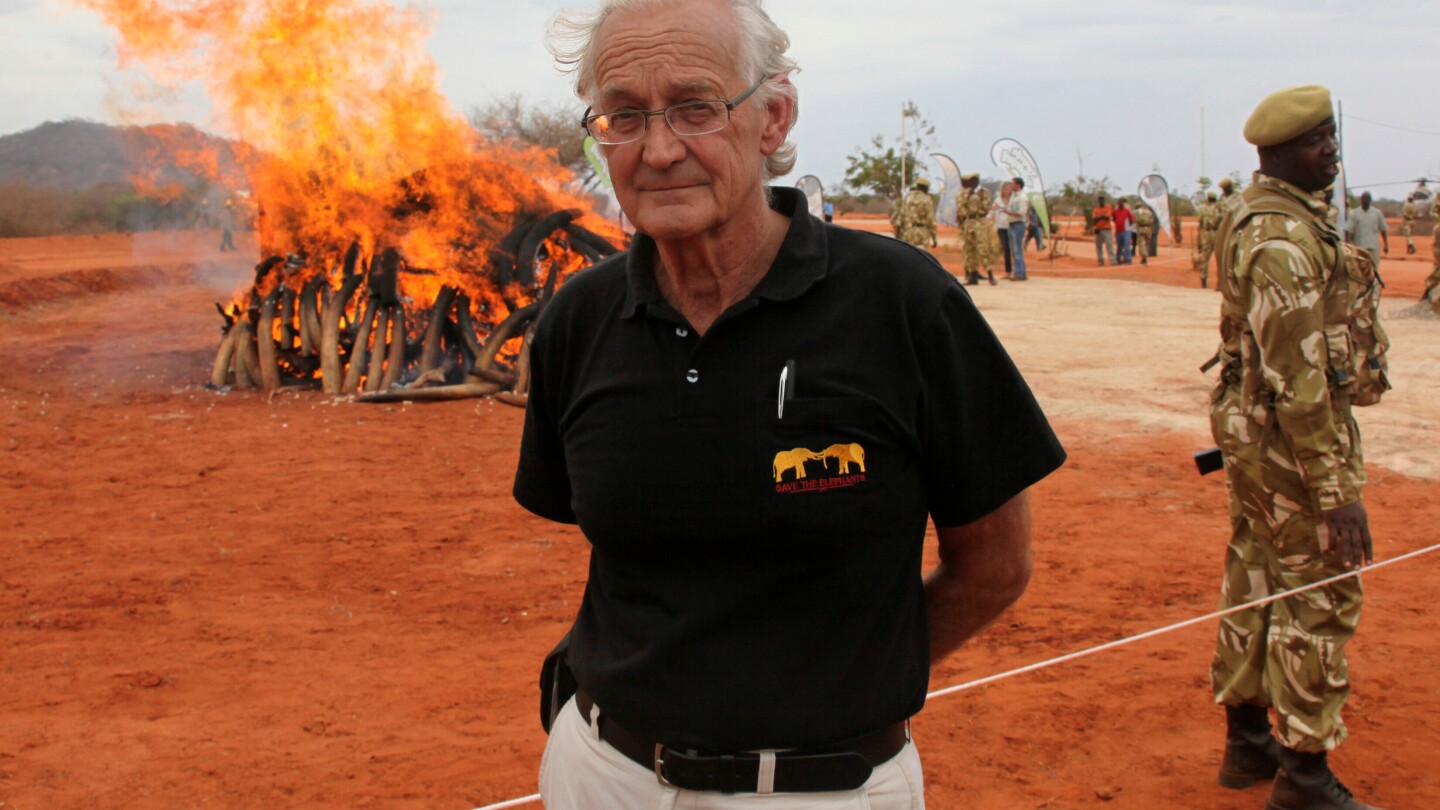
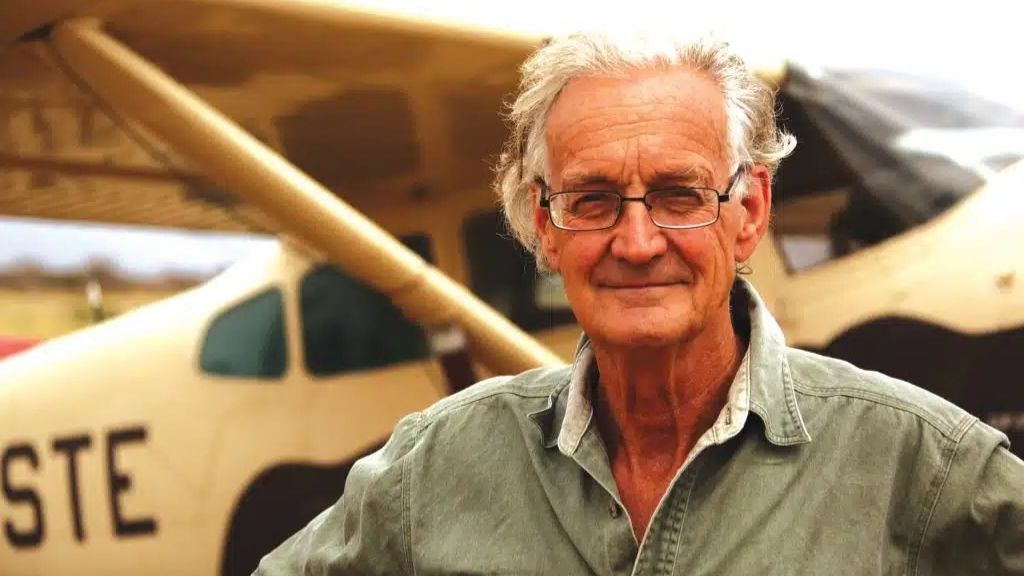
    The global conservation community is mourning the passing of pioneering elephant researcher Iain Douglas-Hamilton, who died at 83 in his Nairobi home on Monday. The British zoologist dedicated his life to studying and protecting African elephants, revolutionizing our understanding of these majestic creatures while facing extraordinary personal risks.

    Douglas-Hamilton’s groundbreaking research exposed the catastrophic impact of poaching on elephant populations, work that proved instrumental in the international ban on ivory trade. His methodology involved meticulous documentation of individual elephants at Tanzania’s Lake Manyara National Park, where he became so familiar with herds that he could identify them by unique ear shapes and skin patterns.

    Prince William, who spent time with Douglas-Hamilton in Africa, paid heartfelt tribute to the conservationist. “The memories of spending time in Africa with him will remain with me forever,” said the Prince, who serves as royal patron for Tusk, the African wildlife conservation charity where Douglas-Hamilton was an ambassador. The Prince praised him as “a man who dedicated his life to conservation and whose life’s work leaves lasting impact on our appreciation for, and understanding of, elephants.”

    The aristocrat-turned-conservationist faced numerous life-threatening challenges throughout his career, including elephant charges, poacher gunfire, and a devastating flood that destroyed his Kenyan research facility in 2010. Despite these hardships, he remained unwavering in his mission, eventually becoming a leading voice in alerting the world to what he termed “an elephant holocaust.”

    His advocacy efforts culminated in the 1989 Convention on International Trade in Endangered Species. When this agreement proved insufficient, Douglas-Hamilton successfully targeted the world’s largest ivory markets, resulting in near-total import-export bans from China and the United States in 2015.

    In 1993, he established Save the Elephants, a charity dedicated to protecting the animals and advancing human understanding of their behavior. The organization’s CEO Frank Pope, also Douglas-Hamilton’s son-in-law, stated: “Iain changed the future not just for elephants, but for huge numbers of people across the globe. His courage, determination and rigour inspired everyone he met.”

    Fellow conservationist Jane Goodall, featured with Douglas-Hamilton in the 2024 documentary “A Life Among Elephants,” noted that his work revealed elephants’ capacity for human-like emotions. “I think his legacy will be one of a man who did so much to help people understand how majestic, how wonderful elephants are,” Goodall remarked.

    Douglas-Hamilton expressed his own vision for the future shortly before his passing: “I think my greatest hope is that there will be an ethic developed of human-elephant coexistence.” He is survived by his wife Oria, children Saba and Dudu, and six grandchildren.

  • Trump once denied using this slur about Haiti and African nations. Now he boasts about it

    Trump once denied using this slur about Haiti and African nations. Now he boasts about it

    Former President Donald Trump openly acknowledged and proudly recounted his controversial 2018 characterization of Haiti and African nations as ‘shithole countries’ during a campaign rally in Pennsylvania on Tuesday. This marked a stark reversal from his initial denial of the remark that previously triggered international condemnation during his first term.

    Addressing supporters, Trump elaborated on his inflammatory comments by specifically targeting Somalia, describing it as ‘filthy, dirty, disgusting, ridden with crime.’ The recollection emerged when an audience member referenced the 2018 incident during Trump’s speech about his recently announced ‘permanent pause on Third World migration,’ which would restrict immigration from nations including Afghanistan, Haiti, and Somalia.

    Trump’s account closely aligned with contemporaneous reports from individuals briefed on the original Oval Office discussion. ‘We had a meeting and I said, ‘Why is it we only take people from shithole countries,’ right? ‘Why can’t we have some people from Norway, Sweden?” Trump told rally attendees.

    The original 2018 comments—which disparaged predominantly Black nations while expressing preference for immigration from predominantly white countries—were widely condemned as racist by congressional Republicans, foreign leaders, and human rights advocates. Botswana’s government summoned the U.S. ambassador in protest, while Senegal’s President Macky Sall expressed shock, asserting that ‘Africa and the Black race merit the respect and consideration of all.’

    This incident represents another example of Trump’s departure from traditional presidential decorum. Throughout his political career, he has frequently employed profanity and offensive language in public remarks, including recent use of explicit language during recorded events and derogatory comments about Minnesota Governor Tim Walz on Thanksgiving.

  • Two teenagers went to seek gold. They were buried alive in a mine collapse

    Two teenagers went to seek gold. They were buried alive in a mine collapse

    A profound sense of grief permeates the village of Nyimbadu in Sierra Leone’s Eastern Province, where two teenage boys—16-year-old Mohamed Bangura and 17-year-old Yayah Jenneh—were laid to rest after perishing in a collapsed gold mine. The makeshift excavation pit they were digging crumbled upon them, cutting short their lives in a tragic incident that underscores a growing humanitarian crisis.

    This marks the third fatal mining accident in the region within four years, claiming at least five young lives. The phenomenon reflects a disturbing trend where increasing numbers of children are abandoning education to engage in perilous artisanal mining operations. As diamond reserves diminish throughout Eastern Province, informal gold mining has expanded dramatically, creating hazardous pits reaching depths of 4 meters (13 feet) with minimal structural support.

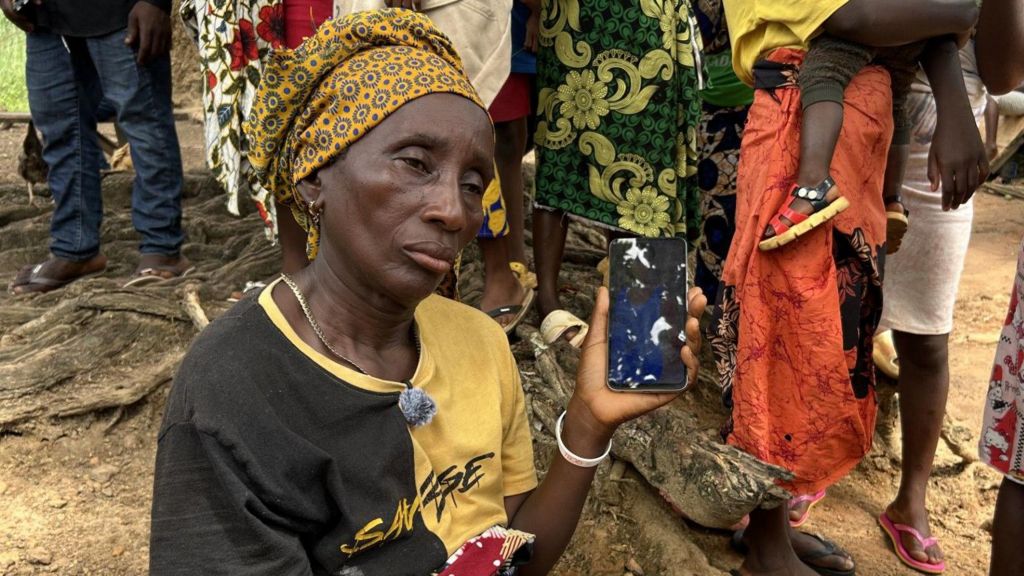
    Namina Jenneh, Yayah’s widowed mother, now faces the impossible task of providing for her five remaining children alone. Though she herself worked in the mines and introduced her son to the practice, she never anticipated his final journey to the fatal site. “He didn’t tell me he was going to that site—if I had known I would have stopped him,” she lamented, scrolling through photographs of her bright-eyed son on her damaged mobile phone.

    The economic desperation fueling this crisis is palpable. Most families in Nyimbadu survive through small-scale farming and petty trading, with few alternative income sources. Seventeen-year-old Komba Sesay, who dreams of becoming a lawyer, now spends his days sifting river sediment for gold to afford his high school examinations. His typical weekly earnings of $3.50 fall significantly below Sierra Leone’s minimum wage, yet rare discoveries yielding $35 keep hope alive amidst the danger.

    The educational system suffers doubly as teachers likewise abandon classrooms for mining sites, their government salaries proving insufficient compared to potential mining windfalls. Roosevelt Bundo, headteacher at Gbogboafeh Aladura Junior Secondary School, confirms this troubling exodus affects both students and educators.

    While Information Minister Chernor Bah emphasizes the government’s commitment to education—citing 8.9% of GDP allocated to educational initiatives including teacher support and school-feeding programs—implementation struggles against harsh economic realities. Charities and activists work to extract children from mines and reintegrate them into schools, but without viable economic alternatives, the gravitational pull of potential mining income remains overwhelming.

    As mining camps evolve into full-fledged towns, the human cost continues to mount. Local child protection activist Sahr Ansumana summarizes the desperate plea of communities: “We need help. Not prayers. Not promises. Help.”

  • Iain Douglas-Hamilton, British zoologist and Save the Elephants founder, dies at 83

    Iain Douglas-Hamilton, British zoologist and Save the Elephants founder, dies at 83

    NAIROBI, Kenya — The conservation world mourns the passing of Dr. Iain Douglas-Hamilton, the visionary British zoologist who revolutionized elephant protection strategies and spearheaded global efforts against ivory trafficking. The renowned conservationist died Monday in Kenya at age 83, according to his organization Save the Elephants.

    Douglas-Hamilton’s pioneering work established revolutionary animal tracking methodologies, including advanced collar systems that enabled unprecedented monitoring of elephant movements and poaching patterns. His groundbreaking research during the 1980s revealed the catastrophic decline of Africa’s elephant populations—with over half eliminated within a single decade—providing critical evidence that compelled the international community to implement the 1989 ivory trade ban through the Convention on International Trade in Endangered Species.

    “He never lost his lifelong curiosity about what was happening inside the minds of one of our planet’s most intriguing creatures,” remarked Frank Pope, CEO of Save the Elephants, describing Douglas-Hamilton’s unique connection to the animals he devoted his life to understanding. Colleagues remembered his characteristic enthusiasm whether observing elephants from the ground, analyzing movement maps, or conducting aerial surveys in his aircraft.

    Beyond scientific contributions, Douglas-Hamilton’s advocacy extended to policy transformation, playing instrumental roles in shuttering domestic ivory markets across multiple nations during the 2010s. His work significantly influenced China’s landmark decision to close its legal ivory markets, which he acknowledged in a 2017 interview: “With the end of the legal ivory trade in China, the survival chances for elephants have distinctly improved.”

    The Uganda Conservation Foundation honored his legacy of knowledge sharing and capacity building, noting he “empowered the people protecting them” while creating collaborative conservation networks. His academic credentials included degrees from Oxford University, and his work received recognition through numerous honors including Commander of the British Empire (2015) and the Esmond B. Martin Royal Geographical Society Prize awarded earlier this year.

    Douglas-Hamilton’s comprehensive approach addressed all threats to elephant survival, including climate-related challenges. During Kenya’s severe 2009 drought, he documented how food scarcity weakened elephant immune systems, increasing vulnerability to disease. His conservation philosophy extended beyond protection to deep ecological understanding, captured in his co-authored books with wife Oria and the 2024 documentary “A Life Among Elephants.”

    He is survived by his wife, two daughters, and six grandchildren, leaving a legacy that transformed global wildlife conservation practices and provided renewed hope for elephant species survival.

  • A coup too far: Why Benin’s rebel soldiers failed where others in the region succeeded

    A coup too far: Why Benin’s rebel soldiers failed where others in the region succeeded

    West African nations demonstrated unprecedented military coordination in neutralizing a coup attempt against Benin’s President Patrice Talon, marking a strategic reversal from previous ineffective responses to regional power grabs.

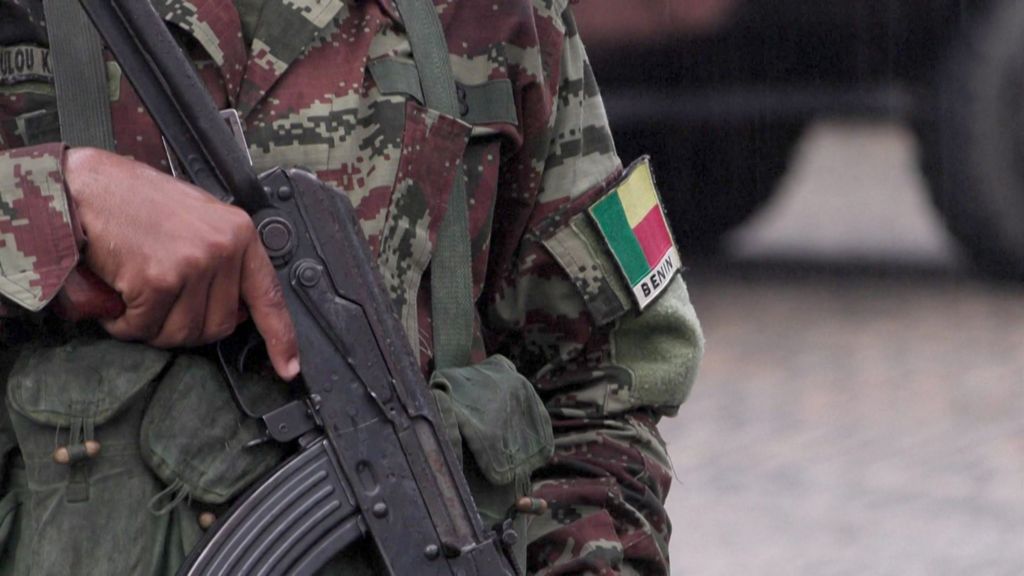
    Nigerian warplanes conducted precision strikes against mutinous soldiers occupying Benin’s state broadcaster and military installations near Cotonou’s airport, while the Economic Community of West African States (ECOWAS) rapidly deployed ground troops from Ghana, Nigeria, Ivory Coast and Sierra Leone. This robust intervention came just days after Guinea-Bissau’s presidential election was interrupted by military takeover.

    The failed putsch represents the ninth attempted overthrow in West Africa since 2020, occurring against the backdrop of last year’s withdrawal of Mali, Burkina Faso and Niger from ECOWAS. Unlike those successful coups that enjoyed popular support, the Benin conspirators fundamentally misjudged the national mood despite widespread grievances against Talon’s administration.

    ECOWAS learned critical lessons from its mishandling of Niger’s 2023 coup, when delayed intervention allowed junta leaders to consolidate power. This time, the bloc acted within hours while Talon maintained constitutional authority and could legitimately request regional support. The swift response prevented rebel consolidation despite their lethal resistance against loyalist forces.

    Benin’s distinctive political culture proved crucial to the operation’s success. While citizens share frustrations about the exclusion of Les Démocrates opposition party from upcoming elections, they maintain strong commitment to democratic processes forged during Benin’s pioneering role in Africa’s 1990s democratization wave. The coup plotters found zero popular support for their violent methods, with civilian casualties instead generating public anger.

    Regional analysis reveals that while West Africa faces shared challenges including Islamist violence, economic pressures, and political disillusionment, each coup attempt stems primarily from localized circumstances. The Benin conspirators appear motivated by military grievances and political complaints, contrasting with Guinea’s 2021 popular uprising against constitutional manipulation or Sahelian coups driven by security failures against jihadist threats.

    Security forces continue hunting coup leader Lieutenant Colonel Pascal Tigri and accomplices after rescuing two abducted military officials. The incident demonstrates ECOWAS’s renewed commitment to military intervention when constitutional order faces immediate threat, potentially establishing a new precedent for regional security response.

  • Sudan militia chief sentenced to 20 years for war crimes during Darfur conflict

    Sudan militia chief sentenced to 20 years for war crimes during Darfur conflict

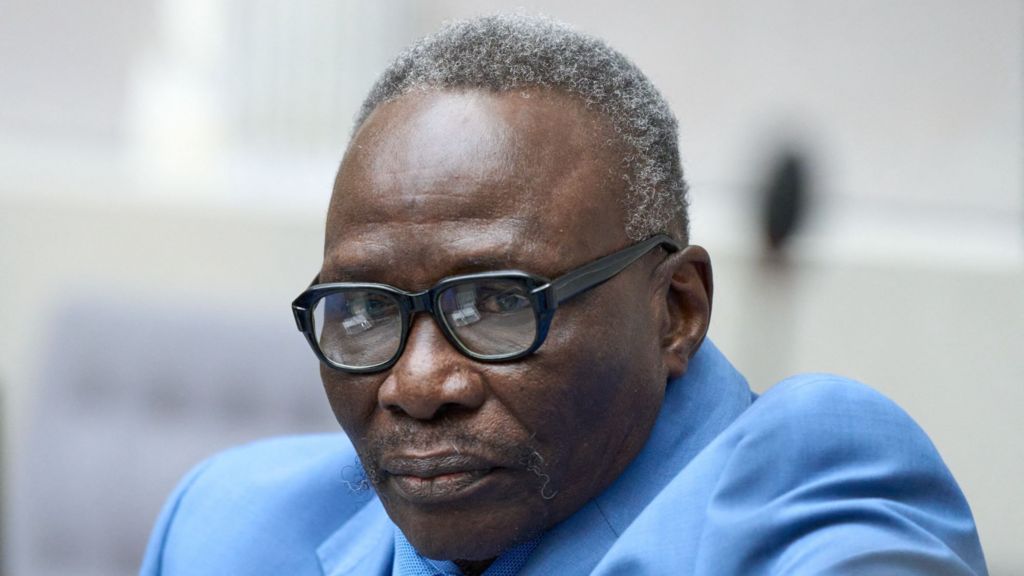
    In a landmark ruling at The Hague, the International Criminal Court (ICC) has imposed a 20-year prison term on Ali Muhammad Ali Abd-Al-Rahman, the notorious Sudanese militia commander commonly known as Ali Kushayb. The 76-year-old former Janjaweed leader received his sentence from Presiding Judge Joanna Korner on Tuesday, marking the first ICC conviction specifically addressing atrocities committed during Sudan’s prolonged civil conflict.

    The conviction stems from Kushayb’s October guilty verdict on 27 separate counts encompassing both war crimes and crimes against humanity. These charges specifically relate to systematic attacks conducted between 2003-2004 in Darfur, where government-backed Janjaweed militias orchestrated what international observers characterized as ethnic cleansing against non-Arab populations.

    During sentencing proceedings, Judge Korner detailed how Kushayb not only issued direct orders resulting in mass atrocities but personally participated in their execution. Survivor testimonies presented during the trial described villages systematically burned, males summarily executed, and women forced into sexual slavery under Kushayb’s command. The presiding judge specifically noted his instructions to subordinates to ‘wipe out and sweep away’ non-Arab tribes and to ‘bring no one alive.’

    This sentencing occurs against the troubling backdrop of renewed violence in Darfur, where many former Janjaweed combatants have now joined the Rapid Support Forces (RSF) paramilitary group. Current conflict between the RSF and Sudan’s national army has reignited patterns of systematic violence against civilian populations, with multiple international entities including the US and UK accusing RSF forces of continuing ethnic cleansing campaigns.

    Dr. Matthew Benson-Strohmayer, Sudan Research Director at the London School of Economics, observed that despite the symbolic importance of Kushayb’s conviction, the cyclical nature of violence in Darfur continues largely unabated. The region remains embroiled in what he characterized as ‘a war of terror’ employing similar tactics of militia mobilization and sexual violence as tools of warfare.

    While the ICC emphasized that Kushayb’s sentence serves both retributive and deterrent purposes, outstanding arrest warrants for other Sudanese officials—including ousted President Omar al-Bashir—remain unexecuted. Most victims of the initial Darfur conflict continue living in displacement camps, their plight compounded by renewed violence that echoes the very atrocities for which Kushayb has now been condemned.

  • Burkina Faso accuses Nigerian Air Force of violating its airspace

    Burkina Faso accuses Nigerian Air Force of violating its airspace

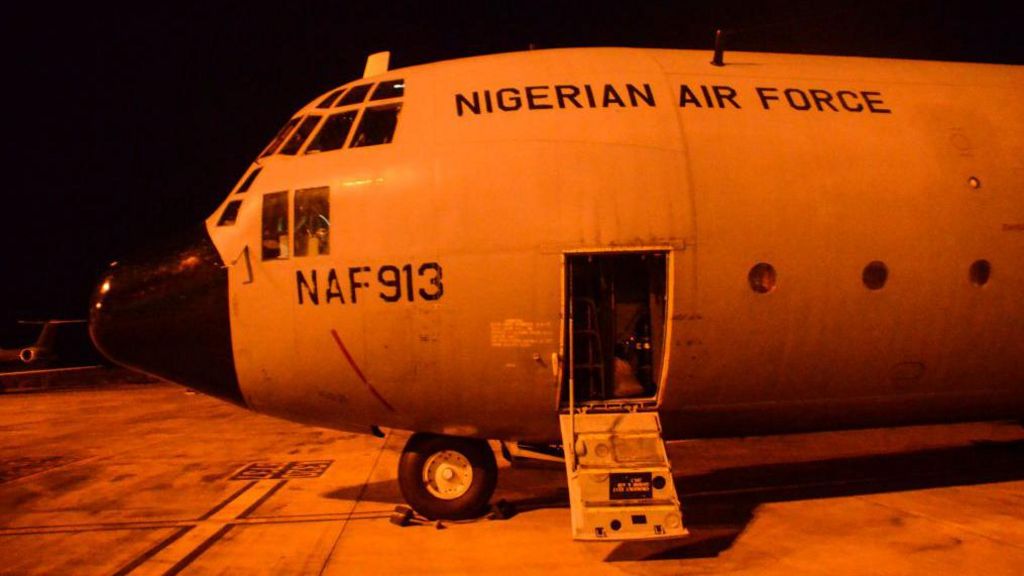
    A diplomatic crisis has emerged in West Africa following the detention of eleven Nigerian military officers in Burkina Faso after their aircraft made an unscheduled landing. The incident occurred when a Nigerian Air Force C-130 transport plane experienced technical difficulties while en route to Portugal, forcing an emergency landing at Bobo-Dioulasso airfield in western Burkina Faso on Monday.

    Contradictory narratives have surfaced regarding the circumstances. Nigerian authorities maintain the landing was a necessary safety procedure due to aircraft malfunction, with crew members receiving ‘cordial treatment’ from host authorities. However, the Alliance of Sahel States (AES) – a coalition comprising Burkina Faso, Mali, and Niger – claims the aircraft entered Burkinabè airspace without authorization, characterizing the incident as an ‘unfriendly act.’

    The AES joint statement revealed that an immediate investigation confirmed the violation of airspace protocols, prompting the three nations to place their air forces on maximum alert with authorization to ‘neutralize any aircraft’ violating their collective airspace. According to the alliance, the aircraft carried two crew members and nine passengers, all identified as military officers.

    This incident occurs against a backdrop of regional tensions following recent political developments. Nigeria recently led an ECOWAS mission to Benin following an attempted coup, deploying jets and troops to suppress the mutiny. The detained aircraft’s mission to Portugal remains unclear, though Nigerian officials stated plans were underway to resume the journey as scheduled.

    The confrontation highlights deepening fractures within West African regional politics. Burkina Faso, Mali, and Niger have all withdrawn from ECOWAS earlier this year, citing political and security grievances, while simultaneously distancing themselves from Western powers and strengthening ties with Russia. This incident represents the first significant military confrontation between the newly formed AES alliance and ECOWAS leadership under Nigeria.

  • Nigerian air force plane’s emergency landing puts Burkina Faso defense forces on high alert

    Nigerian air force plane’s emergency landing puts Burkina Faso defense forces on high alert

    A Nigerian Air Force aircraft was compelled to execute an emergency landing in Burkina Faso late Monday, triggering heightened military alerts across the Sahel region. The incident occurred when the Nigerian plane experienced an undisclosed in-flight emergency while en route to Portugal, necessitating an immediate diversion to the nearest available airfield in Bobo-Dioulasso, western Burkina Faso.

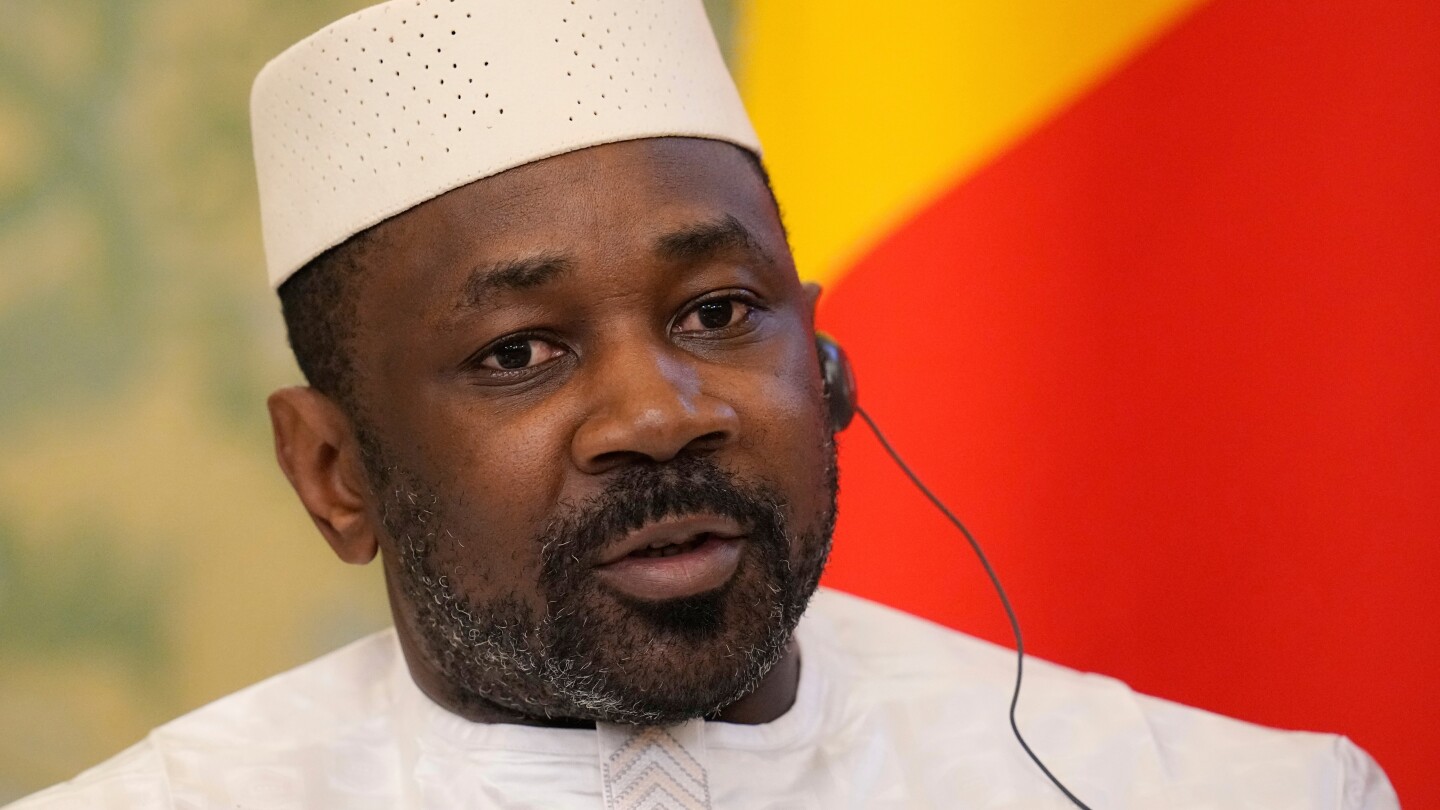
    The Alliance of Sahel States (AES), comprising Burkina Faso, Mali, and Niger, responded by elevating their collective air and anti-air defense systems to maximum alert status. Malian military junta leader General Assimi Goita issued a statement authorizing defensive forces “to neutralize any aircraft violating the confederation’s airspace,” characterizing the Nigerian plane’s entry as unauthorized.

    Nigerian military officials confirmed the emergency landing followed established international safety protocols. Air Force spokesman Ehimen Ejodame reported that the two crew members and nine passengers aboard received “cordial treatment” from Burkinabè authorities and remained safe throughout the incident.

    This aerial incident occurs against a backdrop of deteriorating regional relations. Nigeria, as a key member of the Economic Community of West African States (ECOWAS), recently supported intervention efforts that thwarted a short-lived coup in Benin on Sunday. The AES nations had previously withdrawn from ECOWAS, accusing the bloc of imposing inhumane sanctions and working against their citizens’ interests following recent military takeovers in the region. Burkina Faso shares a northwestern border with Benin, while Nigeria borders Benin to the east, creating complex geopolitical dynamics in the wake of these security developments.

  • Tanzania crackdown on planned protest leaves streets deserted

    Tanzania crackdown on planned protest leaves streets deserted

    Tanzanian cities remained under a veil of heightened security and palpable tension as authorities deployed police and military forces to patrol major urban centers. This significant security reinforcement comes in response to calls for anti-government demonstrations, strategically planned to coincide with the nation’s Independence Day celebrations, which have been officially cancelled.

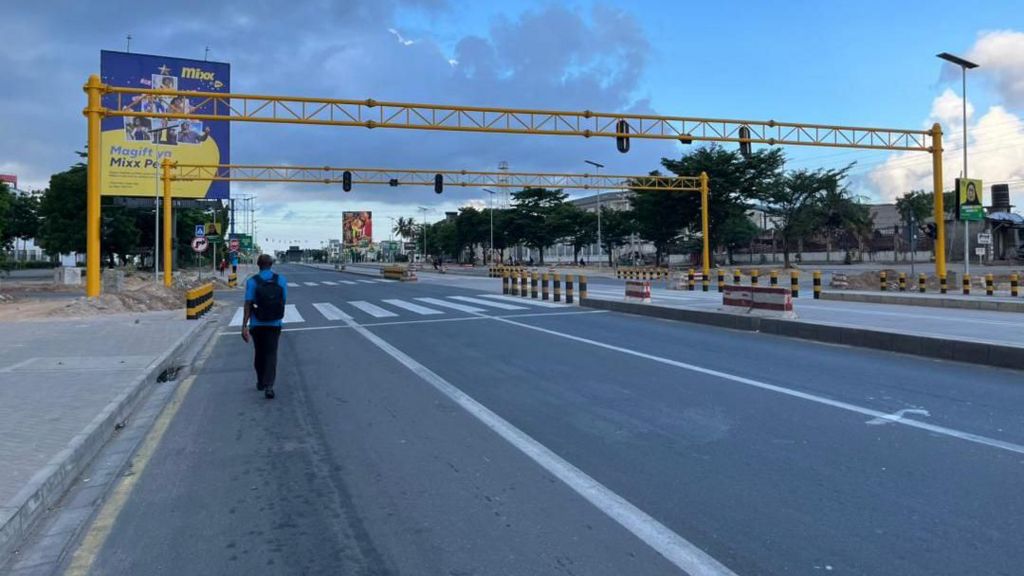
    In an unusual departure from their typical weekday bustle, metropolitan hubs including Dar es Salaam, Arusha, Mbeya, and Mwanza reported markedly subdued activity. By midday, the anticipated protests had not materialized, with many citizens opting to remain indoors amid widespread uncertainty. BBC correspondents observed nearly deserted streets in the commercial capital, creating a stark contrast to the city’s normally vibrant atmosphere.

    The planned demonstrations stem from ongoing demands for political reforms following October’s post-election unrest, which resulted in an unspecified number of casualties. Authorities have acknowledged employing force against protesters, justifying their actions as necessary to prevent what they characterize as attempts to overthrow the current regime.

    Security vehicles were visibly patrolling major thoroughfares and intersections, while officers established strategic positions around critical public infrastructure. Motorists reported encountering frequent checkpoints where security personnel rigorously questioned travelers about their destinations.

    On digital platforms, activists encouraged supporters to maintain vigilance, suggesting that any protest activities would likely commence during afternoon hours—a pattern consistent with previous demonstrations in Tanzania. The government has refrained from issuing detailed statements regarding either the enhanced security measures or the banned protests.

  • China’s ‘mind-blowing’ green efforts welcomed

    China’s ‘mind-blowing’ green efforts welcomed

    UN Environment Programme Executive Director Inger Andersen has characterized China’s extraordinary acceleration in renewable energy deployment as a transformative force in global climate efforts. Speaking exclusively to China Daily ahead of the seventh UN Environment Assembly in Nairobi, Andersen emphasized that China’s unprecedented scale of clean energy installation—projected to reach 3,600 gigawatts by 2035—demonstrates remarkable achievements through strategic long-term planning, industrial capability, and coherent policy implementation.

    Andersen highlighted that China’s manufacturing dominance has produced significant global spillover effects, dramatically reducing renewable technology costs worldwide. Solar energy prices have plummeted to an average of 3.3 US cents per kilowatt-hour, making clean energy increasingly accessible, particularly across Global South nations. This cost reduction, coupled with expanded availability, represents what Andersen termed ‘magnificent progress’ in the worldwide transition to sustainable energy.

    Beyond energy generation, China’s rapidly evolving electric vehicle ecosystem—encompassing two-wheelers, buses, and passenger cars—is expanding throughout Asia, Africa, and Latin America. Local assembly operations in developing countries are already generating employment opportunities, improving urban air quality, and facilitating the transition to low-emission transportation networks.

    A recent UNEP report corroborates Andersen’s assessment, identifying China’s renewable energy expansion as one of the most decisive factors shaping global climate action. The report notes that China’s projected capacity—six times its 2020 level—could substantially narrow the emissions gap by accelerating clean energy deployment internationally. For developing economies, China’s model of scaling manufacturing, reducing costs, and enabling technology transfer offers a practical blueprint for enhancing South-South cooperation.

    Andersen concluded that China’s coordinated industrial policy provides a powerful example of how rapid, large-scale progress toward Paris Agreement goals can be achieved, offering valuable lessons for all nations committed to climate action.