标签: Africa

非洲

  • As Trump slams Europe over migration, most leaders toughen their stance. Spain is an exception

    As Trump slams Europe over migration, most leaders toughen their stance. Spain is an exception

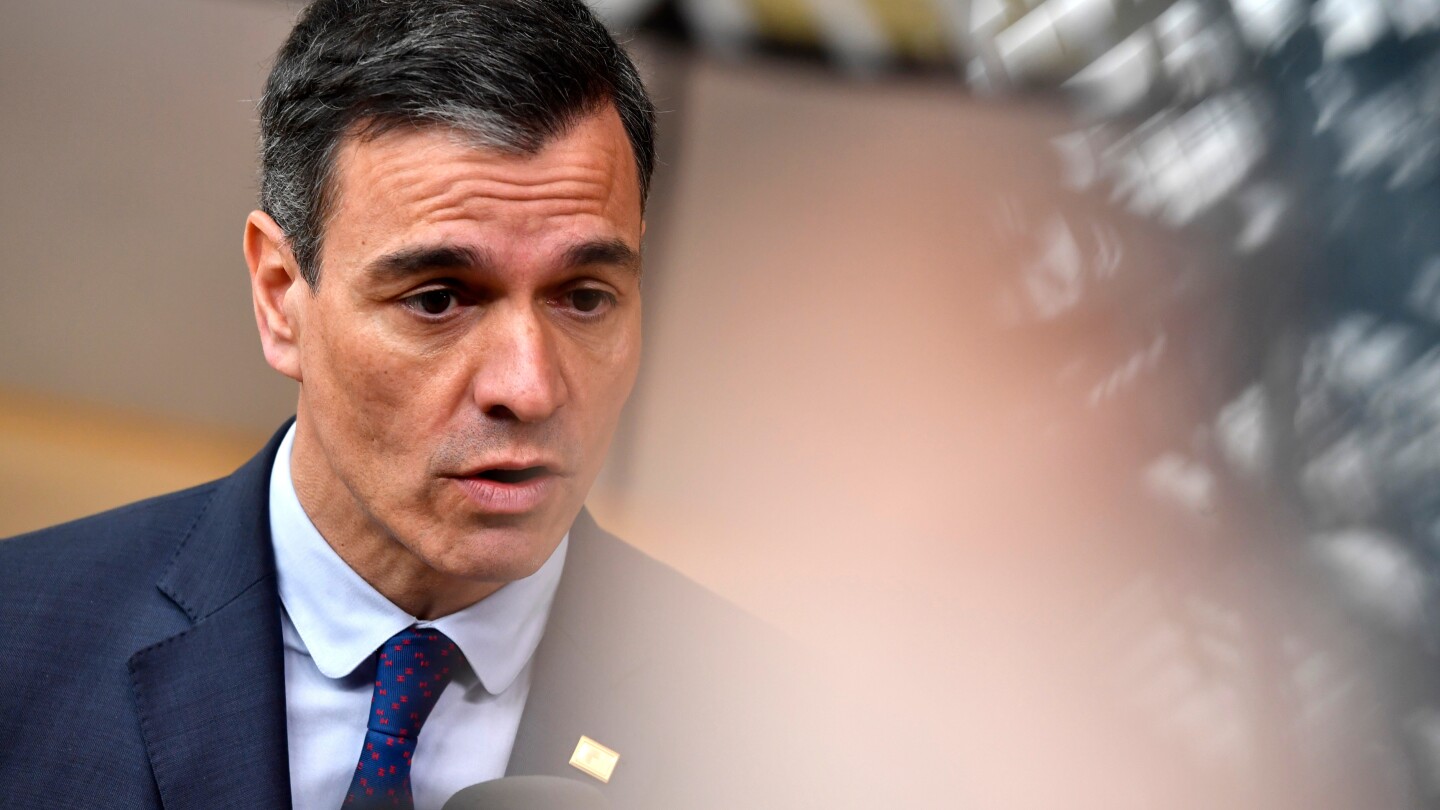
    While European leaders increasingly adopt restrictive immigration policies amid rising far-right influence and warnings of “civilizational erasure” from Trump-aligned voices, Spanish Prime Minister Pedro Sánchez champions a markedly different approach. Spain has welcomed millions from Latin America and Africa in recent years, with Sánchez consistently highlighting the substantial economic and social benefits these immigrants bring to Europe’s fourth-largest economy.

    The Iberian nation’s immigration strategy appears to be yielding significant dividends. Spain’s economy has outperformed all other EU members for two consecutive years, partially attributable to immigrants revitalizing its aging workforce. Sánchez frames Spain’s choice as fundamental: “being an open and prosperous country or a closed and poor one.”

    This stance distinguishes Spain within the Western political landscape. Unlike France’s Emmanuel Macron, who now references “the migration problem,” or Germany’s Friedrich Merz, who pledged migration policy toughening, Sánchez directly confronts anti-immigrant narratives. His government amended immigration laws to facilitate residency and work permits for hundreds of thousands of undocumented migrants, addressing critical labor shortages that threaten Spain’s social benefits system.

    Despite these progressive measures, Sánchez’s government faces political constraints. A more ambitious amnesty proposal stalled in Parliament due to contentious politics and European context. Simultaneously, Spain has implemented border control measures, collaborating with African nations and the EU to reduce irregular arrivals. Migrant arrivals to the Canary Islands have decreased 60% this year, though rights advocates criticize policies they associate with migrant deaths.

    Spain’s immigration landscape is uniquely shaped by its historical connections. Over 4 million legal residents from Latin America benefit from language sharedness and citizenship fast-tracking. However, rapid population growth has exacerbated housing affordability issues, prompting government pledges to increase construction and regulate foreign property purchases.

    The Spanish model demonstrates the complex balance between humanitarian values, economic necessities, and political realities in contemporary migration governance.
  • Kenya’s census warns of ecosystem collapse

    Kenya’s census warns of ecosystem collapse

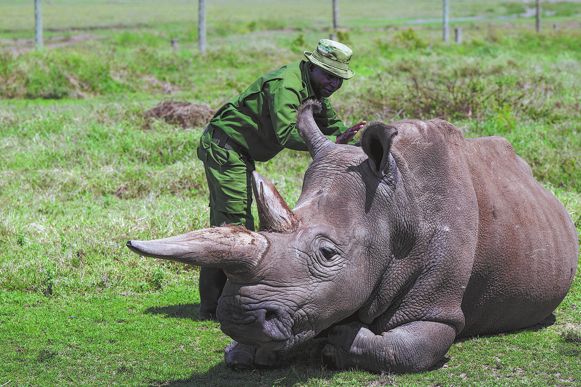
    A comprehensive national wildlife census conducted by Kenya’s Wildlife Research and Training Institute (WRTI) has issued a stark warning about the country’s deteriorating ecological health. The 2024-25 assessment reveals that despite successful recovery stories for some iconic species, numerous others are experiencing precipitous declines that threaten irreversible ecosystem collapse within the coming decade.

    The report, unveiled in Nairobi this week, presents a complex picture of conservation in the East African nation. While elephant populations have shown encouraging growth—increasing from 36,280 in 2021 to 41,952 currently—and black rhinos have demonstrated steady recovery through intensive protection programs, many plains game species face catastrophic declines. Hartebeest, wildebeest, topi, and sable antelope populations continue to diminish due to escalating habitat loss, human-wildlife conflict, and increasing competition from livestock.

    Particularly alarming is the situation of the hirola, one of the world’s rarest antelopes, which has experienced one of the most dramatic population crashes—plummeting from 497 individuals in 2021 to just 245 in 2025, pushing this critically endangered species to the brink of extinction. The rare roan antelope, despite a modest increase from 15 to 21 individuals, remains in critically low numbers that demand intensified recovery efforts.

    President William Ruto characterized the findings as deeply concerning, emphasizing that wildlife protection directly correlates with job creation, tourism growth, and community livelihoods. “Wildlife remains central to our identity, economy and ecological security,” Ruto stated during the report’s launch. “Our protected areas and conservancies are the backbone of tourism, one of the country’s top foreign exchange earners and a major source of livelihoods.”

    With tourism projected to contribute over $9 billion to Kenya’s economy this year—equivalent to more than 7% of GDP—the ecological crisis carries significant economic implications. Tourism Cabinet Secretary Rebecca Miano noted the report reveals both resilience and urgency, acknowledging successful recovery stories while highlighting the pressing need for expanded conservation measures.

    Researchers identified rapid development, climate shocks, and shifting land-use patterns as primary drivers of habitat fragmentation that outpace wildlife adaptation capabilities. The report recommends immediate government intervention, including integrating wildlife ecosystem plans into county spatial planning, securing critical wildlife corridors, and fast-tracking regulations under the Wildlife Conservation and Management Act to better define protected zones and endangered species classifications.

  • Eritrea withdraws from regional bloc as UN expresses concern over tensions with Ethiopia

    Eritrea withdraws from regional bloc as UN expresses concern over tensions with Ethiopia

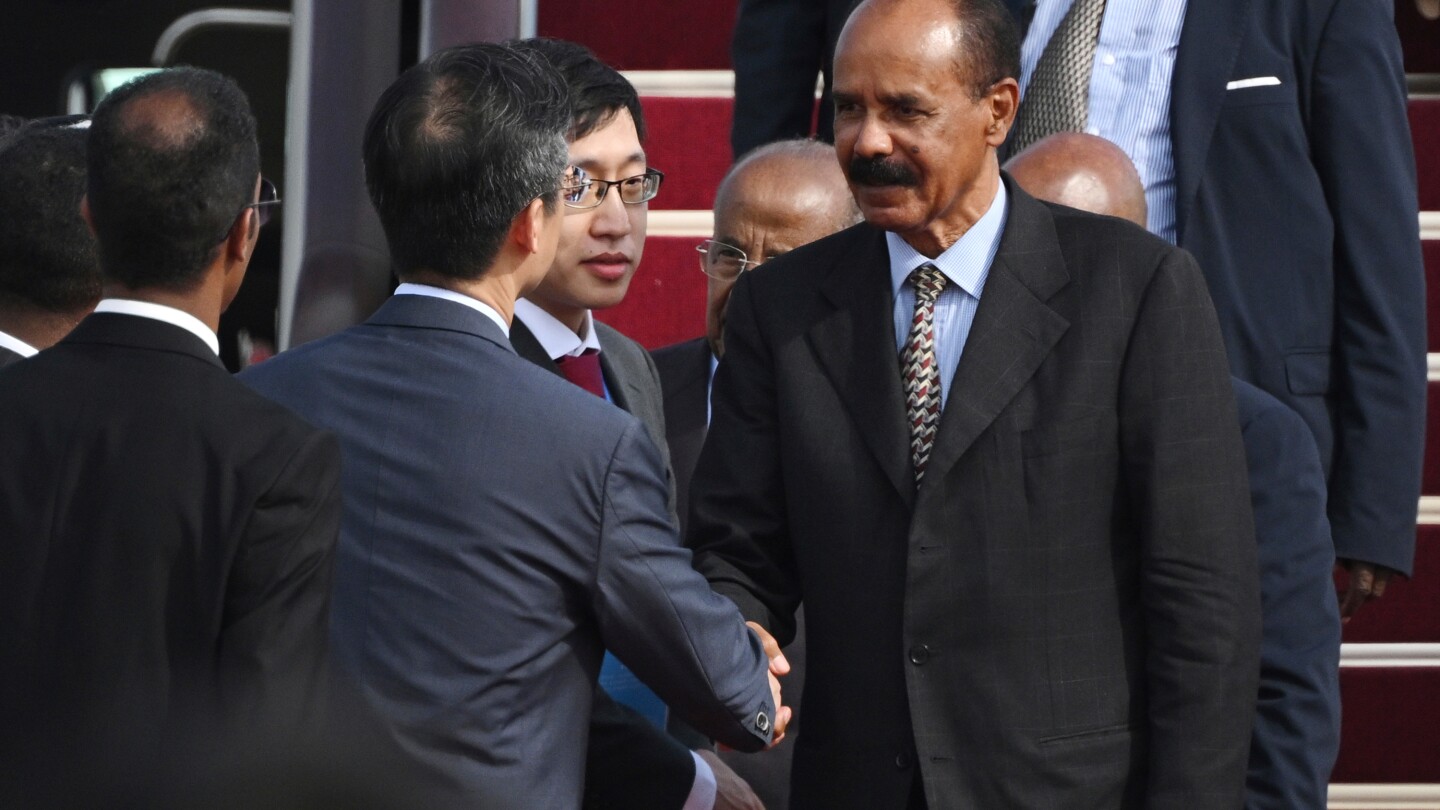
    NAIROBI, Kenya — In a significant regional development, Eritrea has formally announced its withdrawal from the Intergovernmental Authority on Development (IGAD), denouncing the East African bloc for allegedly acting against its national interests. The Eritrean foreign ministry issued a statement Friday asserting that IGAD had “forfeited its legal mandate and authority” while failing to deliver “discernible strategic benefit” or contribute meaningfully to regional stability.

    This marks the second time Eritrea has exited the eight-nation coalition, having previously withdrawn in 2003 before rejoining just two years ago. IGAD responded by noting that Eritrea had remained largely inactive in regional activities since its return to the organization.

    The withdrawal coincides with mounting international concern over deteriorating relations between Eritrea and neighboring Ethiopia. United Nations officials expressed alarm about renewed tensions between the two nations, which signed a historic peace agreement a quarter-century ago.

    The core dispute centers on maritime access, with Ethiopian Prime Minister Abiy Ahmed recently declaring it a “mistake” to have lost Red Sea access when Eritrea gained independence in 1993. Ethiopia has expressed intentions to peacefully secure port access through Eritrea, which previously served as Ethiopia’s primary trade corridor. Eritrean officials have interpreted these statements as provocative, accusing Ethiopia of maintaining a “long-brewing war agenda” aimed at seizing its strategic ports.

    UN Secretary-General Antonio Guterres’ office has urgently called for both nations to “recommit to the vision of lasting peace and the respect for sovereignty and territorial integrity,” specifically referencing the landmark Algiers Agreement that ended their devastating border conflict in 2000.

    IGAD, comprising Djibouti, Ethiopia, Kenya, Somalia, South Sudan, Sudan, and Uganda alongside Eritrea, facilitates regional cooperation on trade, transportation, agriculture, and environmental policies. The organization’s effectiveness now faces renewed challenges amid these escalating diplomatic tensions.

  • Trump’s ‘historic’ peace deal for DR Congo shattered after rebels seize key city

    Trump’s ‘historic’ peace deal for DR Congo shattered after rebels seize key city

    The United States has launched a sharp diplomatic condemnation against Rwanda, accusing the nation of destabilizing Africa’s Great Lakes region through its support of M23 rebel forces. This condemnation comes barely a week after President Donald Trump presided over what was hailed as a “historic” peace agreement between Democratic Republic of Congo President Félix Tshisekedi and Rwandan President Paul Kagame in Washington.

    The fragile peace process faces collapse following M23’s capture of Uvira, a strategically vital city in South Kivu province that served as DR Congo’s final major military stronghold in the region. UN experts and Western governments maintain Rwanda exercises de facto control over M23 operations, though Rwanda consistently denies these allegations.

    Strategic analysts reveal Uvira’s capture serves multiple purposes: cutting Burundi’s supply routes into eastern DR Congo, forcing Burundian troop withdrawals, and creating leverage for future negotiations. The city’s fall has triggered a humanitarian crisis with approximately 50,000 refugees fleeing into Burundi, which has subsequently closed its border.

    Canada-based political scientist Professor Jason Stearns characterized the offensive as deliberately humiliating to US diplomatic efforts, noting that Rwandan troops were amassing for the invasion even as their president signed the Washington accord. The timing suggests neither M23 nor Rwanda believed in the agreement’s viability from the outset.

    The conflict’s complexity stems from historical ethnic tensions and mutual accusations between neighboring nations. Rwanda seeks protection from FDLR militia remnants linked to the 1994 genocide, while DR Congo accuses Rwanda of territorial ambitions through proxy forces. Burundi fears M23’s success will empower Red Tabara rebels threatening its government.

    With the Washington peace process collapsing and parallel Qatar-mediated negotiations suspended, the US and European powers face limited options. Their joint statement demands immediate cessation of offensive operations and Rwandan troop withdrawals, but enforcement mechanisms remain unclear. The situation now depends on how much political capital international mediators are willing to invest in resolving one of Africa’s most intractable conflicts.

  • South Africa eases affirmative action regulations on Starlink and others that Musk said were racist

    South Africa eases affirmative action regulations on Starlink and others that Musk said were racist

    CAPE TOWN, South Africa — In a significant policy shift, South Africa’s communications ministry has amended regulations that previously mandated foreign-owned satellite internet providers to sell 30% of their local equity to historically disadvantaged groups. The directive, issued Friday by Communications Minister Solly Malatsi, introduces alternative compliance mechanisms through ‘equity equivalent’ programs.

    The revised framework allows international companies like Elon Musk’s Starlink to obtain operating licenses by investing in skills development initiatives and other empowerment programs rather than direct ownership transfers. This regulatory adjustment addresses longstanding criticisms that South Africa’s Broad-Based Black Economic Empowerment (B-BBEE) policies created barriers to foreign investment.

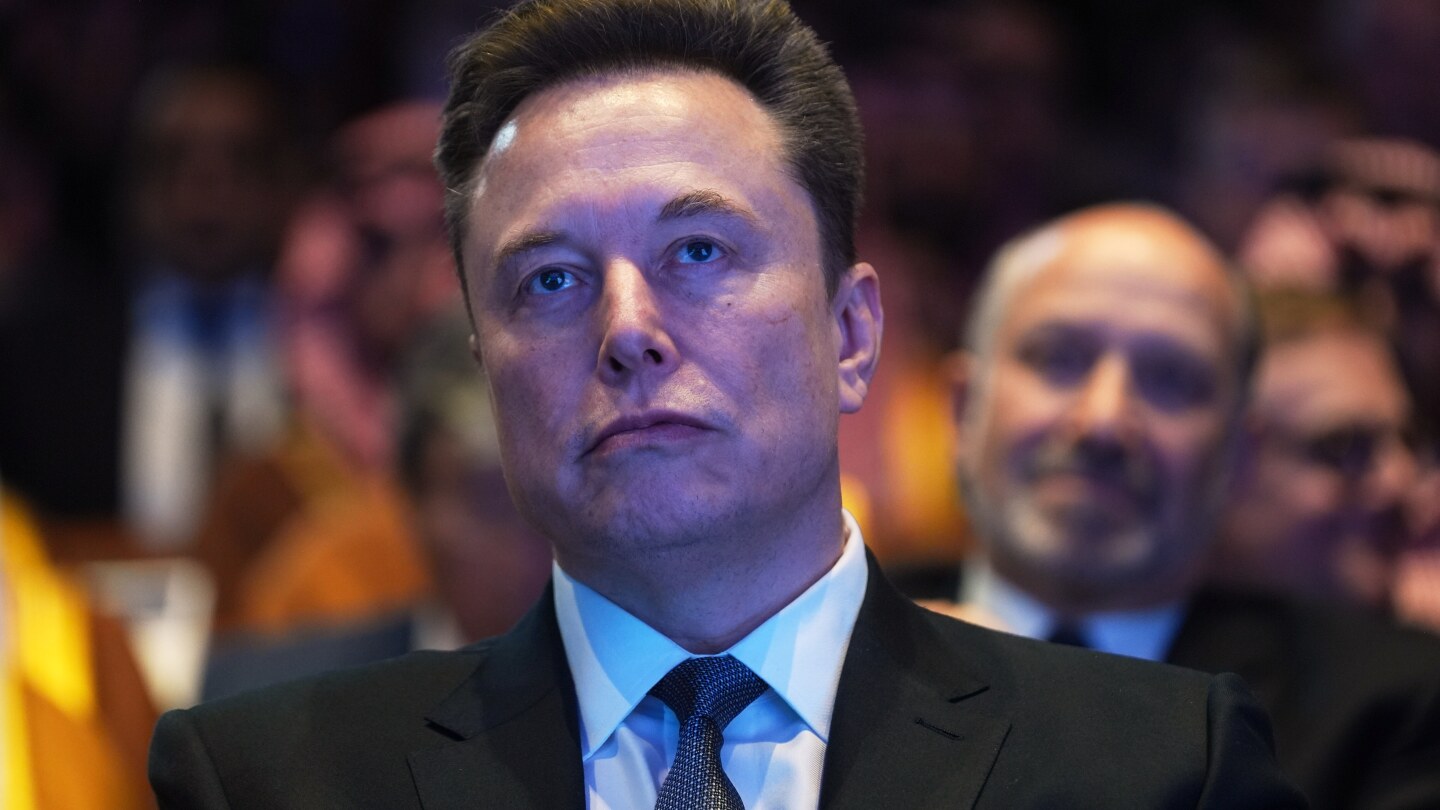
    Musk, who was born in South Africa, had previously condemned the requirements as ‘openly racist ownership laws’ after Starlink faced licensing obstacles. The billionaire entrepreneur had asserted that his companies were being excluded due to racial ownership mandates designed to redress apartheid-era inequalities.

    The policy revision acknowledges that satellite internet services could significantly accelerate high-speed connectivity for rural and underserved communities. Starlink, a subsidiary of SpaceX, already operates in numerous African nations surrounding South Africa, utilizing low-orbit satellite technology to provide internet access.

    Minister Malatsi’s directive aligns with existing provisions available to foreign enterprises across other economic sectors, maintaining the government’s commitment to empowerment while potentially stimulating technological advancement and digital inclusion.

  • Treason trial of South Sudan’s suspended VP is further eroding peace deal, UN experts say

    Treason trial of South Sudan’s suspended VP is further eroding peace deal, UN experts say

    United Nations experts have issued a stark warning that the ongoing treason trial of South Sudan’s suspended Vice President Riek Machar is severely undermining the 2018 peace agreement between Machar and President Salva Kiir. The UN panel’s report reveals that military forces from both factions continue to engage in confrontations across the country, creating conditions ripe for renewed major conflict.

    The political landscape has dramatically shifted since the signing of the peace accord, with years of neglect fragmenting government and opposition forces into a complex patchwork of uniformed soldiers, defectors, and armed community defense groups. These factions are increasingly preoccupied with local struggles rather than national reconciliation efforts.

    UN Peacekeeping Chief Jean-Pierre Lacroix recently informed the Security Council that South Sudan’s crisis is rapidly escalating, describing a visible ‘breaking point’ with time running ‘dangerously short’ to salvage the peace process. The situation marks a troubling development for the oil-rich nation that gained independence from Sudan in 2011 after prolonged conflict, only to descend into civil war in 2013 along ethnic divisions between Kiir’s Dinka supporters and Machar’s Nuer loyalists.

    The 2018 agreement that ended the civil war—which claimed over 400,000 lives—established a unity government but has suffered from sluggish implementation. The already delayed presidential election is now scheduled for December 2026.

    Tensions dramatically escalated in March when a Nuer militia seized an army garrison, prompting Kiir’s government to charge Machar and seven other opposition figures with treason, murder, terrorism, and other crimes. While Kiir’s administration maintains that peace agreement implementation continues unaffected through an opposition faction led by Stephen Par Kuol, those siding with Machar’s former deputy Natheniel Oyet have been largely removed from positions and forced to flee the country.

    The African Union, regional countries, and the Intergovernmental Authority on Development (IGAD) have unanimously called for Machar’s release and emphasized strong support for the 2018 agreement’s full implementation. Meanwhile, the humanitarian situation continues deteriorating, with latest assessments indicating 7.7 million people—57% of the population—facing crisis-level food insecurity and famine conditions in communities most affected by renewed fighting.

  • Eritrea quits regional bloc as tensions rise with Ethiopia

    Eritrea quits regional bloc as tensions rise with Ethiopia

    Eritrea has formally announced its withdrawal from the Intergovernmental Authority on Development (IGAD), condemning the regional bloc for deviating from its foundational principles and transforming into a political instrument against member states. The Eritrean Ministry of Foreign Affairs issued a statement on Friday declaring that the organization no longer serves its strategic interests or contributes meaningfully to regional stability.

    This decisive move occurs against the backdrop of intensifying diplomatic friction between Eritrea and neighboring Ethiopia, raising concerns about potential military escalation. The two nations share a tumultuous history marked by deadly border conflicts and fragile peace agreements.

    IGAD, established to foster economic cooperation, food security, and political stability across East Africa, includes member states Ethiopia, Kenya, Sudan, South Sudan, Uganda, and Djibouti. In response to Eritrea’s withdrawal, IGAD officials noted that Asmara had failed to participate actively in bloc activities since rejoining in 2023 and had not contributed substantive proposals for institutional reform.

    The current tensions stem primarily from Ethiopian Prime Minister Abiy Ahmed’s renewed demands for Red Sea access through Eritrean territory. These claims have provoked strong reactions from Asmara, particularly as Ethiopian officials have controversially questioned Addis Ababa’s recognition of Eritrean independence. Eritrea gained sovereignty from Ethiopia in 1993 after a prolonged independence struggle, rendering Ethiopia landlocked.

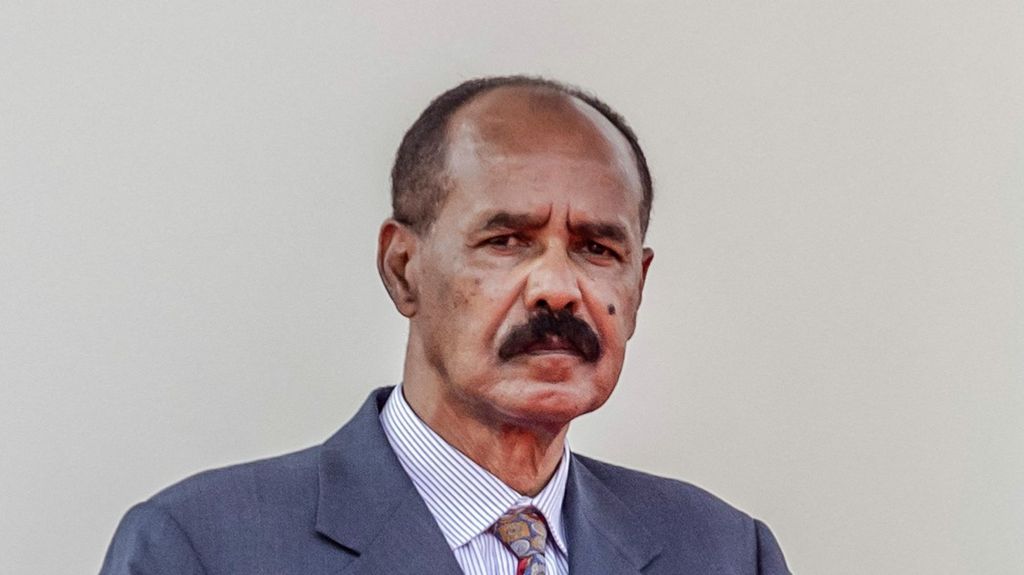
    Historical context underscores the gravity of present developments: Abiy received the 2019 Nobel Peace Prize for reconciling with Eritrean President Isaias Afwerki following a two-decade border war that claimed over 100,000 lives. However, Eritrea has consistently accused IGAD of bias toward Ethiopia in regional disputes and alleged Western-backed conspiracies to destabilize the nation.

    Further complicating regional dynamics, Eritrea maintains severed diplomatic relations with Djibouti—host to IGAD headquarters—since their 2008 border clash. The appointment of former Ethiopian Foreign Minister Workneh Gebyehu as IGAD’s executive secretary has additionally fueled Eritrean suspicions regarding the bloc’s impartiality.

    Analysts note that IGAD faces broader criticism for its ineffective response to multifaceted crises in the Horn of Africa, where civil conflicts, terrorism, and interstate confrontations continue to challenge regional security architecture.

  • Building under construction collapses on temple in South Africa, leaving 1 dead

    Building under construction collapses on temple in South Africa, leaving 1 dead

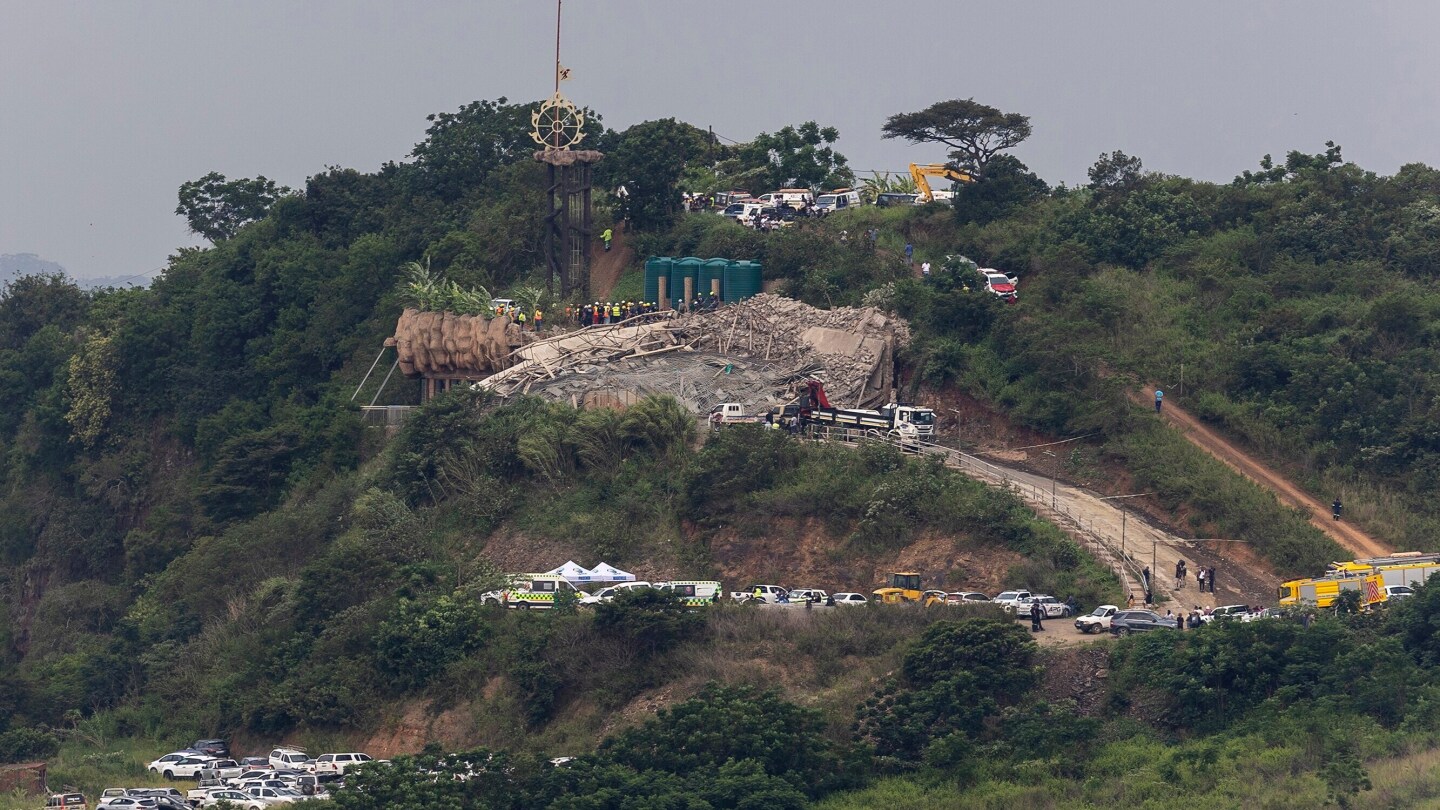
    VERULAM, South Africa — A multistory expansion project atop a Hindu temple collapsed violently on Friday in this eastern South African town, resulting in one confirmed fatality and leaving multiple individuals trapped beneath concrete rubble. The incident has triggered a complex rescue operation amid growing concerns about illegal construction practices.

    Local authorities from EThekwini Municipality confirmed the structural failure occurred north of Durban, revealing that preliminary investigations indicate the construction lacked approved building plans. Municipal officials characterized the structure as illegally under development at the time of the collapse.

    Emergency response teams reported at least eight injured individuals transported to medical facilities, though the exact number of trapped victims remains unverified. Prem Balram of Reaction Unit South Africa, a private emergency response organization, indicated initial reports suggested six people remained buried beneath the debris, though official numbers await confirmation.

    Disturbing accounts emerged of trapped victims using mobile phones to communicate their locations to family members, who then relayed information to rescue crews. The identity of those trapped—whether construction workers, temple worshippers, or both—remains uncertain according to Balram, who noted one of the temple proprietors might be among the entrapped.

    The collapsed structure, described as a three-to-four story extension to the existing temple, presented rescuers with what Balram characterized as a ‘mammoth task’ due to the instability of the remaining structure. Situated atop a hill overlooking a ranch, the site now displays grotesque tangles of twisted metal support beams, shattered concrete pillars, and massive rubble mounds where the building once stood.

    This tragedy echoes another recent construction disaster in South Africa, where over 30 workers perished in a building collapse in George along the country’s southern coast just last year. That incident, subsequently attributed to design deficiencies, substandard materials, and gross negligence, prompted weeks of rescue efforts and eventual criminal investigations.

    Multiple emergency response agencies, including both municipal teams and private organizations, coordinated efforts at the Verulam site as operations continued through Friday.

  • RSF commander linked by BBC Verify to Sudan massacre sanctioned in UK

    RSF commander linked by BBC Verify to Sudan massacre sanctioned in UK

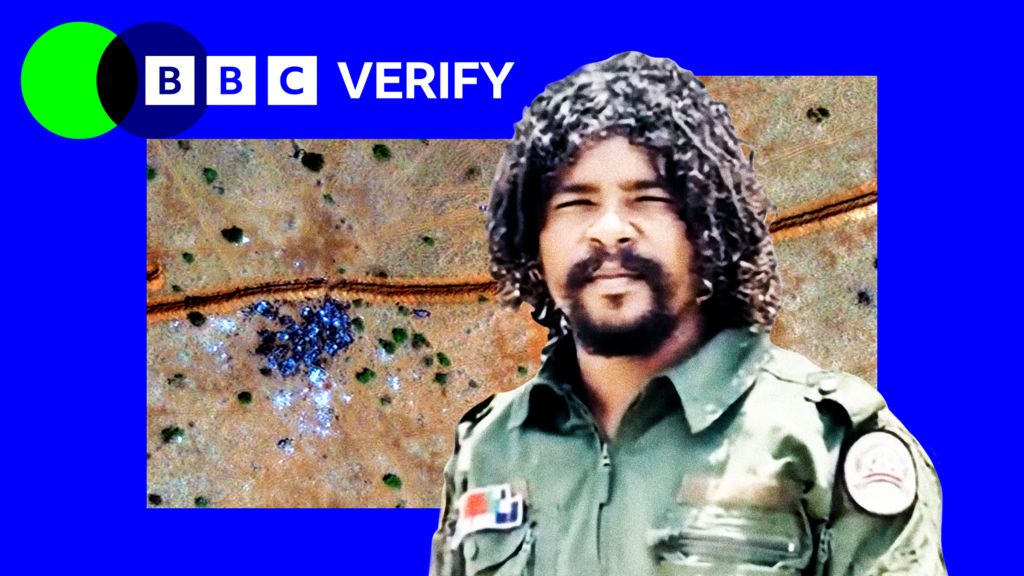
    The United Kingdom has imposed severe sanctions on Brigadier General Al-Fateh Abdullah Idris, a Sudanese paramilitary commander widely known as Abu Lulu, following a BBC Verify investigation that exposed his direct involvement in the el-Fasher massacre. Video evidence confirmed by BBC Verify shows Abu Lulu executing at least ten unarmed captives with an assault rifle following the Rapid Support Forces’ (RSF) capture of the city in late October.

    The UK Foreign Office has additionally sanctioned three other high-ranking RSF commanders: deputy leader Abdul Rahim Hamdan Dagalo (already under EU sanctions), Gedo Hamdan Ahmed, and Tijani Ibrahim Moussa Mohamed. These individuals stand accused of orchestrating ‘heinous’ acts including mass killings, systematic sexual violence, and deliberate targeting of civilians. All face comprehensive travel bans and asset freezes.

    UK Foreign Secretary Yvette Cooper condemned the atrocities in Sudan as ‘a scar on the conscience of the world,’ vowing that such crimes ‘cannot, and will not, go unpunished.’ The sanctions announcement coincided with a £21 million aid package for civilians affected by the conflict, providing essential food, shelter, and medical services.

    The el-Fasher massacre represents one of the most brutal chapters in Sudan’s ongoing civil war, which erupted over two years ago following the collapse of the fragile ruling coalition between the RSF and the national army. The conflict has resulted in hundreds of thousands of deaths and displaced millions. El-Fasher, the army’s final major stronghold in Darfur—the RSF’s traditional operational base—endured a protracted siege characterized by extreme brutality. BBC Verify documented RSF tactics including detention and torture of supply smugglers and construction of massive sand barriers to prevent civilian escape.

    Satellite imagery from Yale University’s Humanitarian Research Lab revealed piles of bodies and mass graves throughout el-Fasher following the RSF takeover. In a subsequent public relations move, RSF leader Gen Mohamed ‘Hemedti’ Dagalo acknowledged troop ‘violations’ and announced investigations. Abu Lulu was briefly shown in a staged arrest video on RSF’s Telegram channel, though his current status remains unknown. His TikTok account, previously featuring propaganda content, was removed in October following BBC Verify’s inquiries.

    The UK’s sanctions follow similar actions by the United States two days prior, targeting networks allegedly recruiting Colombian mercenaries for the Sudanese conflict. The US Treasury Department reported hundreds of Colombian fighters have joined the RSF as infantry and drone pilots since 2024. President Donald Trump recently pledged to address ‘tremendous atrocities’ in Sudan through coordinated efforts with Egypt, Saudi Arabia, and the UAE.

  • Attacks by insurgents in Mozambique are compounding a displacement crisis, especially for children

    Attacks by insurgents in Mozambique are compounding a displacement crisis, especially for children

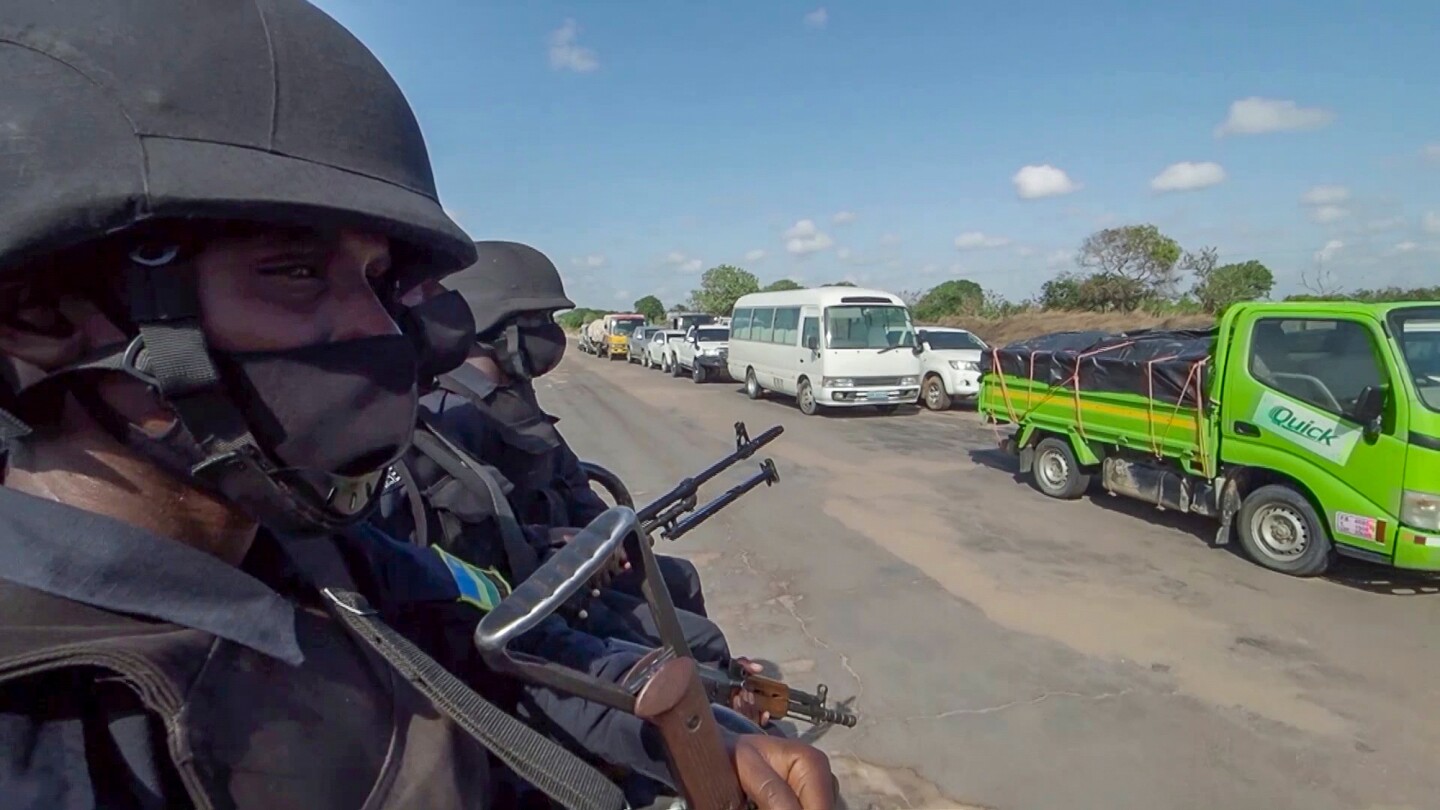
    A severe humanitarian emergency is unfolding in northern Mozambique as Islamic State-affiliated militants intensify their violent campaign, creating a massive displacement crisis with particularly devastating consequences for children. Recent weeks have witnessed a surge in attacks characterized by extreme brutality, including civilian beheadings, village burnings, and systematic targeting of communities across multiple provinces.

    The United Nations reports that November alone saw more than 100,000 people forcibly displaced from their homes, with approximately 70,000 being children according to UNICEF estimates. Many children have become separated from their families during the chaos, with some undertaking perilous journeys of five to six days alone to reach safety.

    This latest wave of displacement adds to an already catastrophic situation, bringing the total number of displaced persons to approximately 1.3 million since the insurgency began in 2017 in Cabo Delgado province. The militant group, identified as Islamic State-Mozambique by U.S. intelligence assessments, operates as an autonomous branch of the global terrorist network with an estimated 300 fighters seeking to impose sharia law.

    The insurgency gained international attention in 2021 when militants launched a sustained assault on the coastal town of Palma, resulting in numerous casualties and forcing French energy conglomerate Total to suspend a landmark $20 billion liquefied natural gas project—a crucial development initiative for Mozambique’s economy that is believed to have been a primary target.

    While initially concentrated in Cabo Delgado, the conflict has now expanded into neighboring Nampula and Niassa provinces, creating a broader regional security challenge. According to data from Armed Conflict Location and Event Data, the violence has claimed over 6,300 lives, including 2,700 civilians.

    Humanitarian organizations describe a system pushed to its absolute limits, with inadequate resources to address the overwhelming needs for food, water, shelter, and healthcare. Compounding the crisis, northern Mozambique faces additional environmental challenges including cyclones from the Indian Ocean—four of which have struck in the past year—following a severe drought in 2024.

    UN officials characterize the situation as reaching a ‘breaking point,’ with children comprising 67% of the displaced population and facing particular vulnerabilities including abduction, recruitment by militants, gender-based violence, and severe psychological trauma. Despite ongoing military assistance from Rwanda, the Mozambican government has struggled to contain the insurgency, leaving countless civilians in desperate circumstances with limited prospects for safety or stability.