标签: Africa

非洲

  • Ugandan army admits holding priest who’d been missing for days

    Ugandan army admits holding priest who’d been missing for days

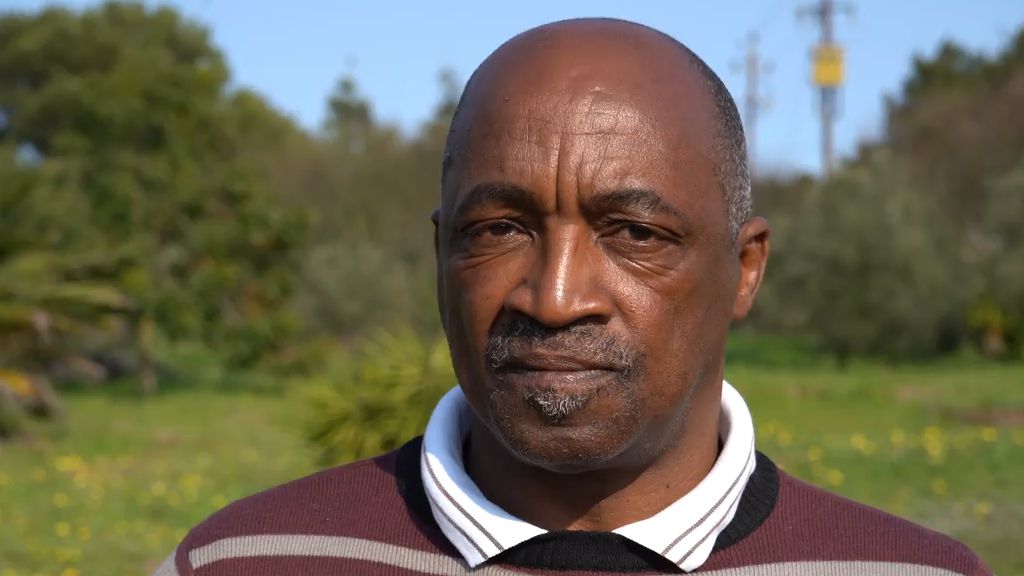
    The Ugandan military has officially acknowledged holding Catholic priest Father Deusdedit Ssekabira, who had been missing since December 3rd, alleging his participation in “violent subversive activities.” In a concise statement, military authorities confirmed the clergyman’s arrest, stating he remains in “lawful custody” and will face formal court charges.

    This declaration follows urgent appeals from the Masaka Catholic Diocese, which previously reported Father Ssekabira’s alleged abduction by individuals wearing Uganda Army uniforms. The church institution has yet to respond to the military’s specific accusations against the priest.

    The incident occurs as Uganda approaches next month’s elections amidst increasing international scrutiny regarding human rights violations, including enforced disappearances and extended detention without trial.

    Masaka Bishop Serverus Jjumba characterized the priest’s disappearance as a “grievous wound inflicted on Masaka Diocese, the entire Catholic Church and Father Ssekabira’s family,” confirming ongoing efforts through legal channels to secure his safe return.

    Opposition leader Bobi Wine promptly condemned the military’s detention of civilians, alleging systematic abductions of his supporters by state security forces. The presidential candidate, whose legal name is Robert Kyagulanyi, asserted this incident reflects the current governance reality under President Yoweri Museveni.

    This case echoes previous incidents involving opposition figures and human rights activists. Last year, opposition politician Kizza Besigye mysteriously disappeared in Nairobi before reappearing in Ugandan military court, while two Kenyan activists were detained for five weeks after attending Wine’s campaign event before being released.

    President Museveni previously described detained activists as “experts in riots” who had been placed “in the fridge for some days,” employing terminology that has drawn criticism from human rights organizations.

    Ugandan security agencies continue facing allegations of detaining opposition supporters while out of uniform, with some detainees eventually surfacing in court facing criminal charges.
  • Torrential rains and flash floods kill 37 in Moroccan city of Safi

    Torrential rains and flash floods kill 37 in Moroccan city of Safi

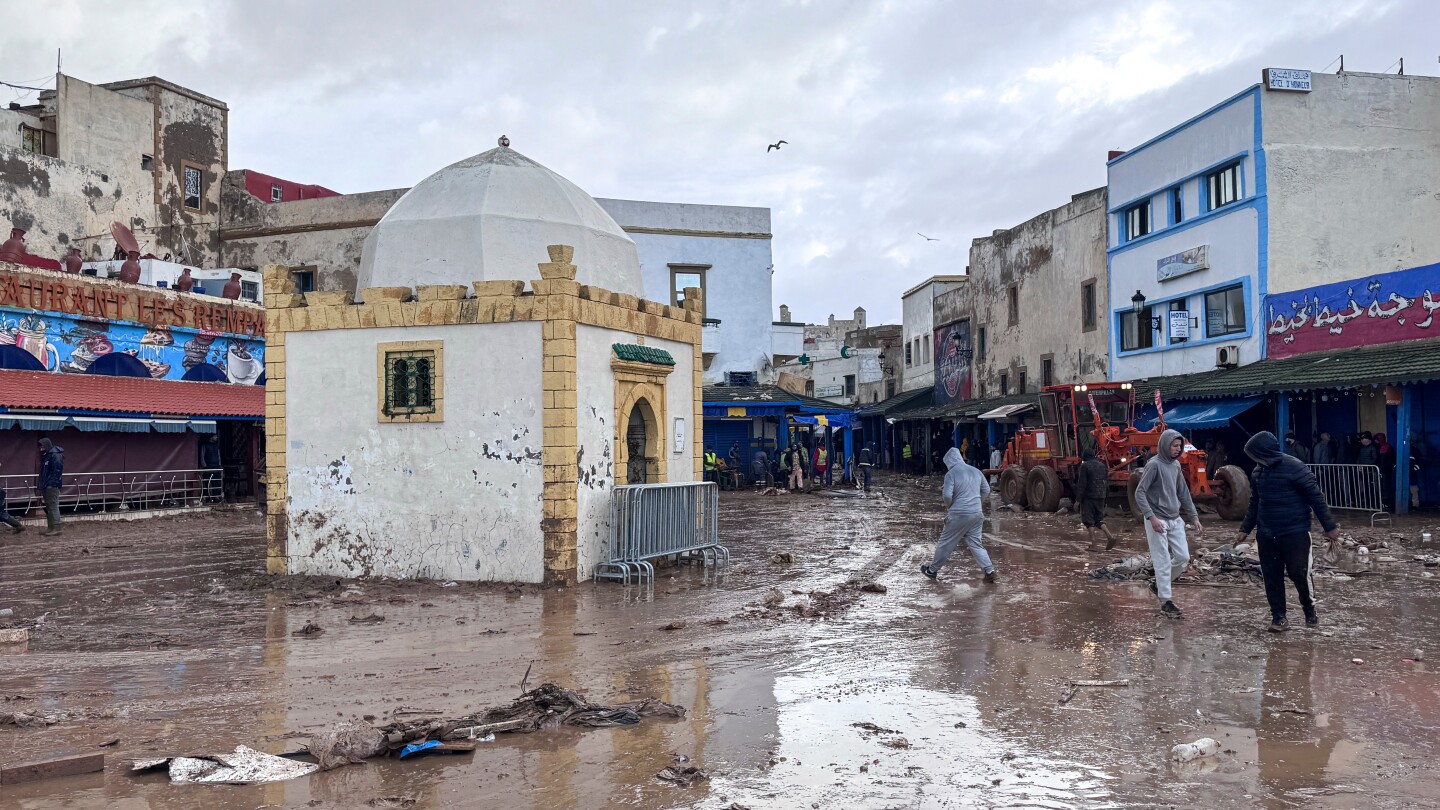
    CASABLANCA, Morocco — Catastrophic flooding has struck the coastal city of Safi, Morocco, resulting in at least 37 fatalities according to an official statement released Monday by the nation’s Interior Ministry. The disaster unfolded as torrential overnight rains triggered severe flash floods that submerged approximately 70 residential and commercial properties while sweeping away 10 vehicles. Emergency services reported 14 individuals hospitalized with injuries.

    The severe weather event has prompted local authorities to announce three-day school closures as recovery efforts continue. Beyond Safi, significant flooding and infrastructure damage have been reported across multiple Moroccan regions including the northern city of Tetouan and the mountainous community of Tinghir.

    Situated approximately 320 kilometers from the capital Rabat, Safi serves as a vital economic center for Morocco’s fishing and mining sectors, employing thousands in resource extraction and processing operations. The city of 300,000 residents hosts a major phosphate processing facility, though operations have been disrupted by the catastrophic flooding.

    Disturbing social media footage depicts vehicles partially submerged and stranded as powerful floodwaters surged through urban thoroughfares. Climate scientists note that Morocco’s weather patterns have grown increasingly unpredictable due to climate change impacts. The region has experienced prolonged drought conditions that have hardened soils and reduced natural absorption capacity, exacerbating flood vulnerability.

    This tragedy follows another recent building collapse incident in Fez that claimed 22 lives, raising questions about infrastructure resilience and building code enforcement. While Morocco has invested in disaster risk reduction initiatives, implementation varies significantly at local government levels, particularly regarding drainage systems and construction standards. These infrastructural disparities became a focal point during youth-led protests that emerged across the nation earlier this year.

  • War scars cast shadow in eastern DR Congo

    War scars cast shadow in eastern DR Congo

    The eastern Democratic Republic of Congo faces a severe humanitarian emergency as renewed hostilities by M23 rebels create widespread devastation and displacement across South Kivu Province. Recent military advances have left visible scars along strategic transport routes, with charred military vehicles and bullet-riddled buildings lining the road from Bukavu to Uvira—a vital artery connecting northern and southern parts of the conflict-ridden region.

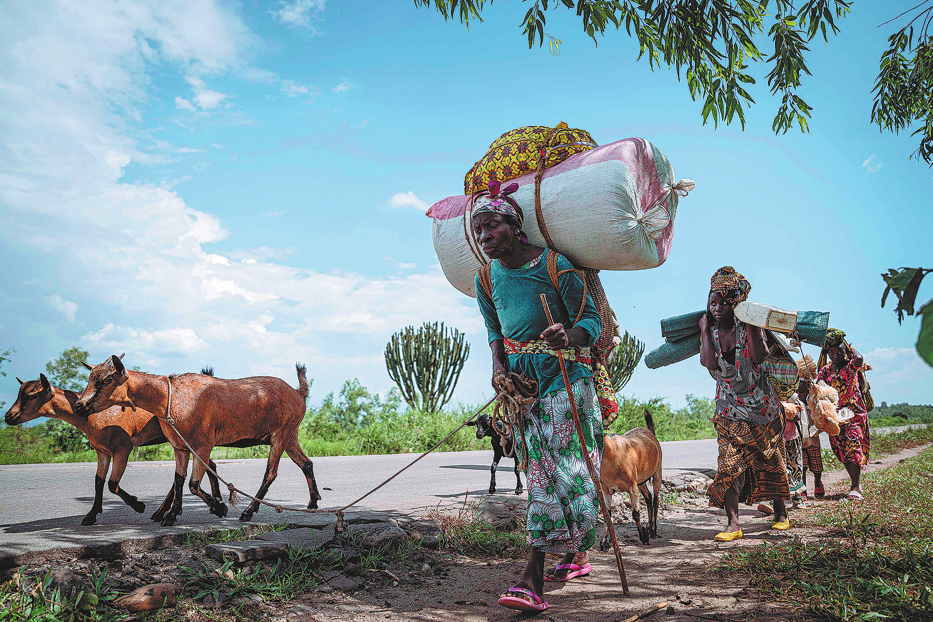
    Since December 2nd, intensified fighting on multiple fronts has precipitated one of the largest displacement crises in recent memory. United Nations humanitarian agencies report approximately 500,000 individuals have been forced from their homes, while Congolese authorities confirm over 400 casualties since the offensive began. The M23’s claimed capture of Uvira—South Kivu’s second-largest city—has transformed urban centers into militarized zones where residents navigate daily life under rebel surveillance.

    The conflict’s regional implications are rapidly expanding. Burundi’s closure of border crossings with the DRC has severed critical supply routes for essential commodities including food and fuel, exacerbating an already dire humanitarian situation. This development coincides with reports of approximately 38,000 Congolese asylum seekers crossing into Burundi between December 5-9, according to Burundian state media.

    UN officials have raised alarms about the potential for broader regional conflict. Jean-Pierre Lacroix, UN Under-Secretary-General for Peace Operations, warned the Security Council that the current offensive “revived the specter of a regional conflagration with incalculable consequences.” He emphasized the increasing regionalization of the conflict, noting that cross-border movements of both civilians and combatants heighten escalation risks.

    International concern continues to mount, with China’s UN representative Fu Cong emphasizing the urgent need for immediate hostilities cessation. The DRC government has announced potential negotiations with Burundi regarding establishing temporary humanitarian corridors to address the growing crisis, though details remain undeveloped amid ongoing volatility.

  • Their diamond-rich land in South Africa was taken. Now they want it back

    Their diamond-rich land in South Africa was taken. Now they want it back

    Along South Africa’s northwestern coastline, a stark environmental and economic divide tells the story of the Nama people’s century-long struggle. The journey from Cape Town to the Namibian border reveals breathtaking natural vistas gradually giving way to a pockmarked lunar landscape—visible scars from decades of diamond extraction that generated hundreds of millions in wealth, yet left indigenous communities in persistent poverty.

    The Nama people, descendants of the region’s original Khoi and San inhabitants, have faced systematic displacement since European colonization. Their ancestral lands around the Orange River were annexed in the mid-19th century, with forced removals intensifying following the 1920s diamond rush. Despite a landmark 2003 Constitutional Court victory recognizing their inalienable land and mineral rights, the community remains trapped in what leader Martinus Fredericks describes as ‘hand-to-mouth existence’ with sky-high unemployment.

    The court ruling should have been transformative. Instead, a controversial 2007 agreement between state-owned miner Alexkor and the Richtersveld Communal Property Association (CPA) allocated 51% of mineral rights to the company and 49% to the community. Fredericks maintains this arrangement was made without proper community consent, and two decades later, residents report seeing no benefits from diamond wealth extracted from their land.

    Alexkor contends it has transferred approximately 240 million rand ($14 million) to community entities, but acknowledges through current chairperson Dineo Peta that ‘the community has not received the full economic benefit of the operations,’ blaming previous management’s ‘maladministration and malfeasance.’ A state capture investigation revealed corruption within the company, though no convictions have resulted.

    Parliamentary hearings recently revealed that over 300 million rand ($17.6 million) intended for community development remains unaccounted for, with lawmakers describing the CPA as ‘dysfunctional.’ The association failed to respond to BBC inquiries regarding the missing funds.

    Beyond financial concerns, environmental degradation poses another crisis. Abandoned mines dot the coastline with minimal rehabilitation, despite legal obligations. Mining giants Trans Hex and De Beers maintain they fulfilled their responsibilities before selling sites, though De Beers committed 50 million rand toward rehabilitation in recent sale agreements.

    Fredericks has now initiated legal proceedings against the CPA, seeking to reclaim authentic community representation. ‘A Nama people cannot be a Nama people without control of Nama land,’ he asserts, emphasizing the intrinsic connection between identity and territory that continues to drive their fight for restorative justice.

  • Over 700 migrants reach UK in small boats after pause in crossings

    Over 700 migrants reach UK in small boats after pause in crossings

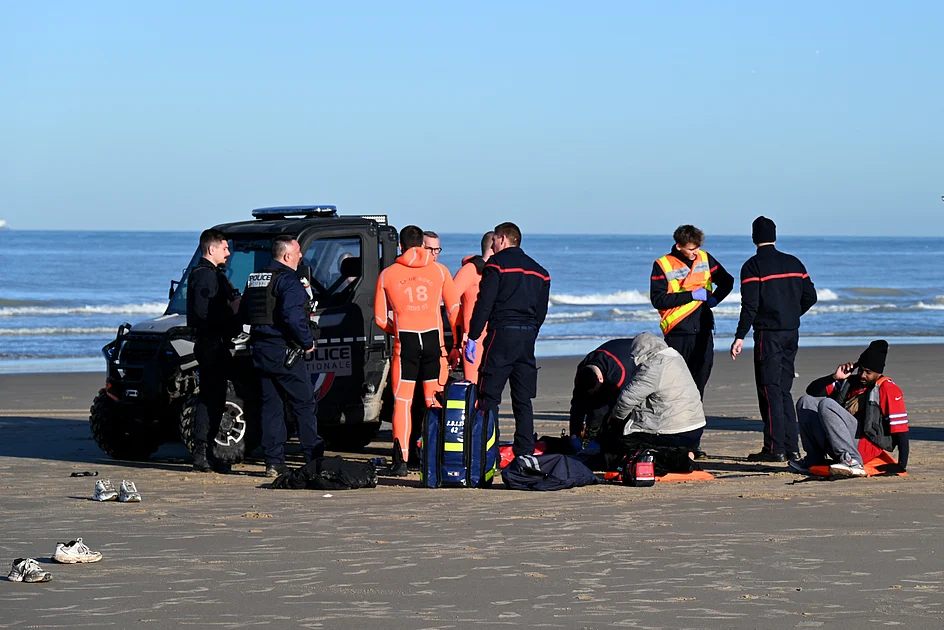
    A significant resurgence of migrant crossings occurred on December 13th as 737 individuals successfully traversed the English Channel in small vessels, according to official figures released by the UK Interior Ministry. This movement ended a notable 28-day hiatus in arrivals—the longest interruption in seven years—primarily attributed to adverse weather conditions preventing maritime travel.

    The latest influx involved eleven separate boats making the perilous journey from northern France to England’s southern coastline. With this arrival, the cumulative total of migrants reaching UK shores via small boats throughout 2025 has now reached 40,029 persons. This figure positions the current year to potentially become the second-highest annual arrival period since systematic record-keeping began in 2018.

    These Channel crossings have evolved into a contentious political issue within the United Kingdom, significantly influencing domestic politics. The anti-immigration Reform Party, under the leadership of Nigel Farage, has capitalized on public concern regarding migrant arrivals. Opinion polling throughout much of the year has consistently shown Reform maintaining double-digit advantages over Prime Minister Keir Starmer’s Labour Party, indicating the substantial political impact of migration patterns.

    The cyclical nature of crossings—directly correlated with maritime weather conditions—demonstrates the persistent challenge facing border enforcement authorities. Despite heightened surveillance and enforcement measures, the fundamental dynamics of migration patterns continue to be heavily influenced by environmental factors beyond governmental control.

  • 9 African migrants died in freezing temperatures near Morocco-Algeria border

    9 African migrants died in freezing temperatures near Morocco-Algeria border

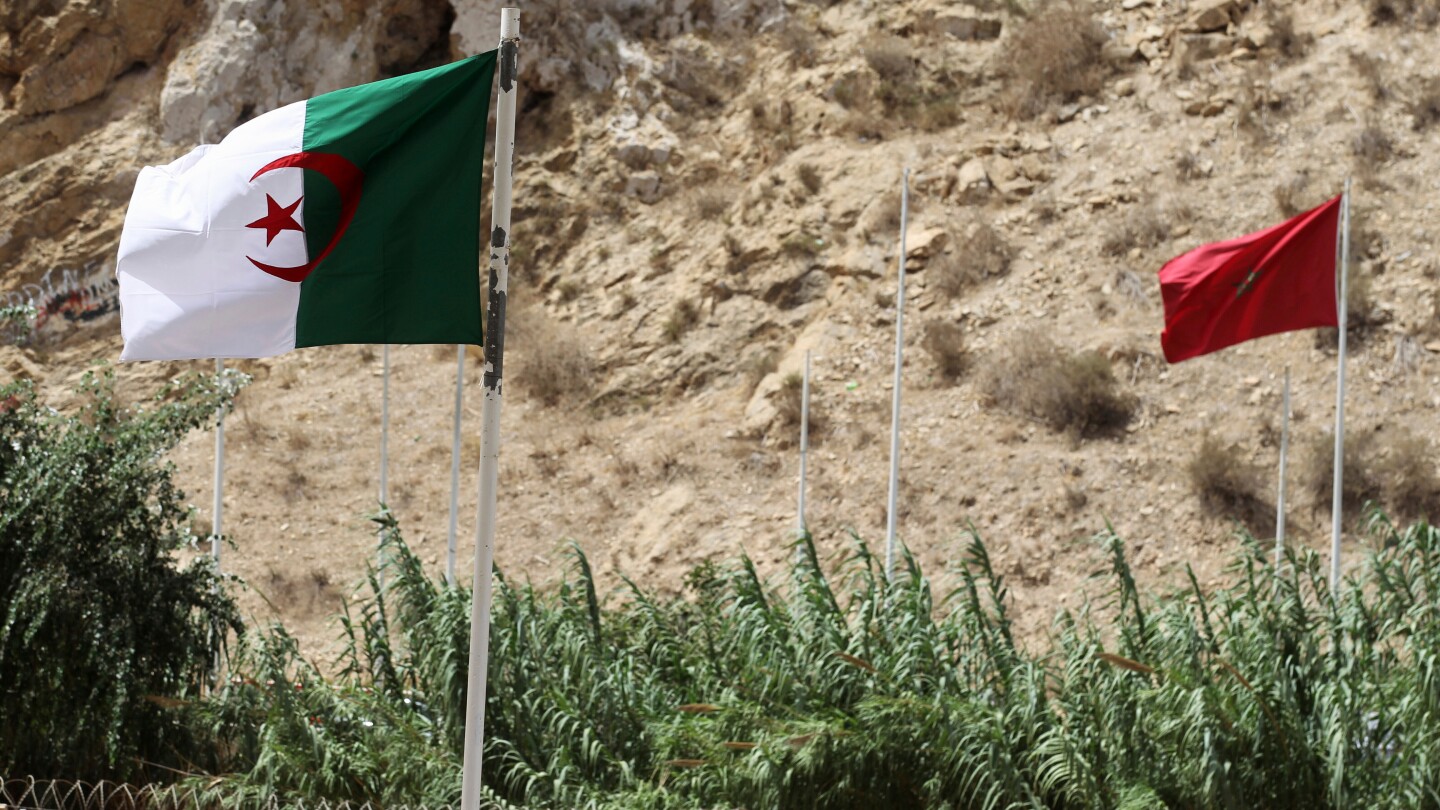
    In a devastating incident highlighting the perils of irregular migration, nine African migrants perished from extreme cold exposure near Morocco’s mountainous border region with Algeria. The tragic discovery in Ras Asfour—a remote area known for its harsh winter conditions—has triggered significant concern among human rights organizations across North Africa.

    The Moroccan Association of Human Rights confirmed the victims included seven men and two women from various sub-Saharan nations, with one individual identified as Guinean. According to their Saturday statement, “Their exhausted bodies could not withstand the plunging temperatures” that characterize this treacherous transit zone.

    This tragedy occurs within the broader context of ongoing migration patterns where thousands annually attempt dangerous journeys from North Africa to European destinations. Many seek entry via Spain’s North African enclaves of Ceuta and Melilla through fence scaling or swimming, while others undertake the perilous Atlantic route to the Canary Islands.

    The region has increasingly become a focal point for migration control efforts, with EU security agreements enhancing North African authorities’ capabilities to deter irregular movement. Many migrants spend months or years in informal employment sectors—including construction, agriculture, and domestic work—while awaiting crossing opportunities across the Mediterranean or Atlantic.

    Human rights groups have responded forcefully to the incident. The Moroccan Organization of Human Rights has called for border humanization policies, decriminalization of irregular migration and residence, and establishment of mechanisms to track missing migrants. Meanwhile, six victims have been buried locally while two bodies were preserved for family identification purposes.

    Morocco’s Interior Ministry has not yet issued official comments regarding the specific circumstances of these deaths, though the nation’s security forces regularly report intercepting migration attempts through this corridor.

  • Fans go crazy ahead of Lionel Messi’s event in Mumbai

    Fans go crazy ahead of Lionel Messi’s event in Mumbai

    Football icon Lionel Messi’s arrival in Mumbai for his GOAT India Tour 2025 has ignited unprecedented excitement among Indian fans, despite controversy surrounding previous tour stops. The Argentine legend, fresh from leading his country to World Cup glory in 2022, received an overwhelmingly warm reception in Hyderabad before proceeding to Mumbai’s iconic Wankhede Stadium.

    Indian supporters expressed extraordinary enthusiasm for the opportunity to witness the global football superstar. Vedansh, a dedicated Messi fan from Pune, revealed his long-standing admiration: ‘I began following football around 2012-13 during the peak Messi-Ronaldo debates. For me, it was always Messi—his playing style captivated me, and the 2022 World Cup victory cemented his legendary status.’

    The emotional connection runs deep among Indian fans. Abhinav, another devoted supporter, shared his profound anticipation: ‘Seeing Messi has always been my dream. I’m so excited I might actually cry if I get to see him in person.’ Many fans undertook significant journeys, including three-hour train rides from Pune, demonstrating their commitment to witnessing the football genius.

    However, the tour’s Kolkata segment concluded disastrously when frustrated fans resorted to vandalism after Messi’s premature departure. Attendees who paid premium prices expressed anger over poor event management and alleged that VIPs and politicians monopolized Messi’s attention, preventing ordinary fans from even glimpsing their hero. The situation escalated to the point where police intervention was required to disperse the crowd.

    In response to the Kolkata incident, promoter Satadru Dutta was arrested and remanded to 14 days police custody by the Bidhannagar Court. Meanwhile, Messi demonstrated his humanitarian side in Hyderabad, engaging in memorable interactions with children at the Rajiv Gandhi International Cricket Stadium as part of his UNICEF Goodwill Ambassador role.

    The GOAT India Tour 2025 will conclude with a final event in Delhi on Monday, marking the end of Messi’s historic visit to the subcontinent.

  • How $67.5b pledge by tech giants is turning India into next global digital juggernaut

    How $67.5b pledge by tech giants is turning India into next global digital juggernaut

    India is undergoing a profound metamorphosis from its historical identity as an outsourcing hub to emerging as a central player in global digital innovation. This transformation is being propelled by an unprecedented wave of strategic investments from the world’s foremost technology corporations, signaling a fundamental recalibration of global tech priorities.

    In a landmark series of commitments announced in December 2025, Amazon, Microsoft, and Google collectively pledged approximately $67.5 billion toward developing India’s technological infrastructure. Amazon’s staggering commitment of over $35 billion by 2030—supplementing its existing $40 billion investment—represents one of the company’s most substantial global financial deployments. This capital infusion will expand e-commerce capabilities, integrate artificial intelligence into millions of small enterprises, strengthen logistics networks, and target a quadrupling of exports to $80 billion.

    Microsoft has designated its largest Asian investment ever—$17.5 billion over four years—to establish hyperscale data centers, amplify its cloud and AI ecosystem, and implement extensive upskilling programs to cultivate AI expertise among millions of Indians. Concurrently, Google has allocated an estimated $15 billion to construct a major AI data center and innovation hub in Visakhapatnam, positioning India as a critical nexus within its worldwide AI infrastructure network.

    Industry analysts interpret these monumental investments as recognition that India’s digital economy has achieved strategic indispensability within global technology ecosystems. This status stems from the country’s vast youth population, rapidly expanding internet user base, and maturing digital infrastructure framework, including foundational systems like Aadhaar and the Unified Payments Interface (UPI).

    India’s exceptional human capital potential represents a core attraction. Projections indicate the country will host the world’s largest developer community by 2030, with its share of global AI talent accelerating rapidly. This abundant workforce—combined with competitive operational costs and a vibrant startup culture—provides technology multinationals with both scale and innovative capacity that established tech hubs increasingly cannot match.

    The investment surge coincides with shifting global economic geopolitics, wherein technology firms are seeking to diversify geographic footprints amid trade tensions and supply chain vulnerabilities. India’s democratic stability, enormous market scale, growing middle class, and policy incentives—including subsidies for AI and semiconductor manufacturing—present a compelling alternative to regional concentration.

    While challenges persist in semiconductor manufacturing capabilities and research & development investment, the momentum behind India’s digital transformation appears irreversible. The nation’s evolution into a global technology powerhouse is now being underwritten by substantial capital commitments from the most influential companies shaping the digital future.

  • Heavy rains in UAE: Food deliveries delayed amid unstable weather

    Heavy rains in UAE: Food deliveries delayed amid unstable weather

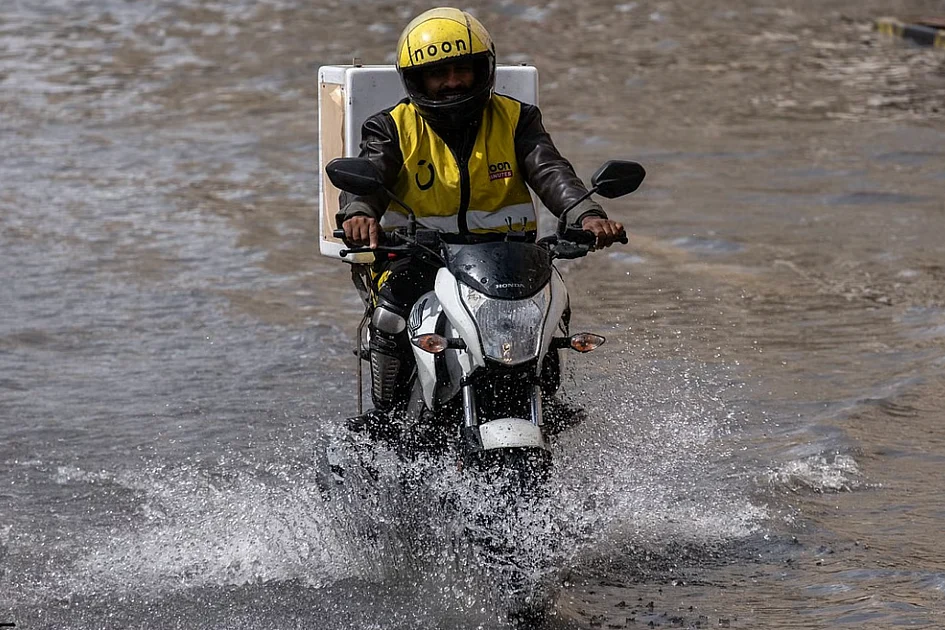
    The United Arab Emirates is experiencing significant disruptions to food and grocery delivery services as unstable weather conditions persist across the country. Multiple delivery platforms including Talabat, Deliveroo, and Careem have implemented safety measures that include pausing services in affected areas and warning customers of extended wait times.

    Heavy rainfall and dropping temperatures prompted delivery companies to prioritize rider safety over service continuity. Talabat issued an in-app advisory announcing temporary delivery pauses, while Deliveroo notified customers that they might encounter limited restaurant options and extended delivery windows. The companies have implemented geographic restrictions in severely affected areas and empowered riders to assess local conditions and temporarily suspend operations if they perceive driving risks.

    The National Centre of Meteorology has forecasted continued unstable weather throughout the week, with temperatures expected to drop to 13°C. The meteorological authority has issued public guidelines urging residents to exercise caution during this period of adverse weather conditions.

    Observers noted dozens of delivery riders stationed along Mohammed Bin Zayed Road during mid-morning hours on Sunday, highlighting the practical impact of weather-related safety measures on delivery operations. Companies have committed to resuming normal service patterns once weather conditions improve and safe driving can be assured.

  • Liveability now key in Dubai’s luxury real estate market

    Liveability now key in Dubai’s luxury real estate market

    A fundamental transformation is reshaping Dubai’s high-end property sector, where the traditional allure of prestigious brands is being eclipsed by a new premium on holistic wellness and sustainable living. This paradigm shift, driven by an influx of global ultra-high-net-worth (UHNW) individuals, is redefining luxury not as mere opulence but as an ecosystem that enhances physical and mental wellbeing.

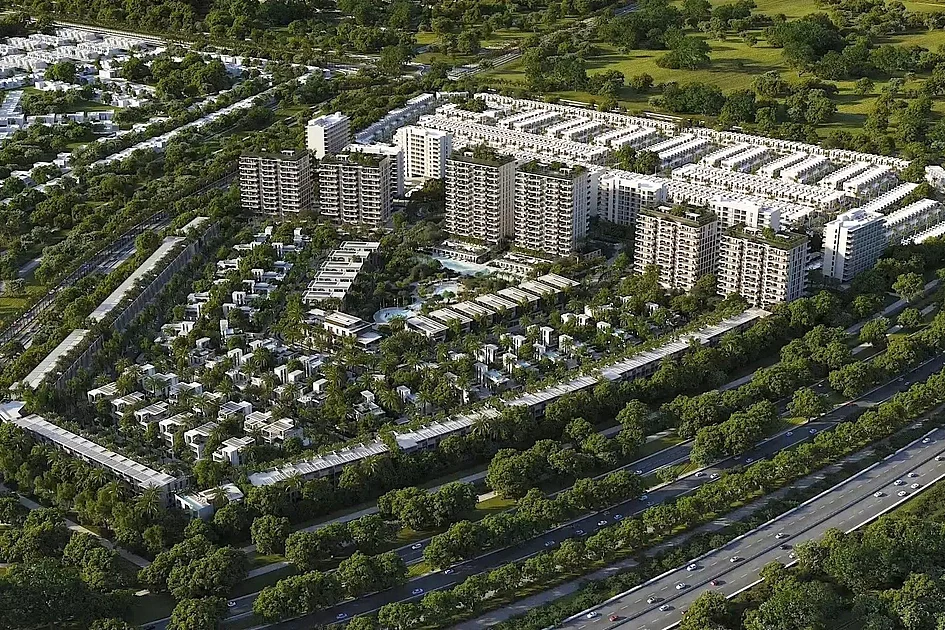
    At the forefront of this movement is MAG Lifestyle Development with its Dh3 billion Keturah Reserve project in Meydan. Conceived as a pioneering ‘bio-living’ community, the development is strategically located a short, low-congestion drive from Downtown Dubai. CEO Talal M. Al Gaddah identifies liveability as the paramount concern for today’s affluent buyers, stating that properties which genuinely elevate resident wellness create a natural, sustainable demand. This, he argues, forms the foundation of a superior investment proposition: “where people insist on living, capital inevitably follows.”

    The design philosophy transcends conventional landscaping. Thousands of Ficus and ‘Rain’ trees from Thailand, alongside sculptural dry gardens, are integral functional infrastructure designed to foster a profound connection to nature. The community will comprise 533 low-rise apartments, 93 sold-out townhouses, and 90 villas, all meticulously crafted to maximize natural light, airflow, and harmony with the environment.

    Enhancements to the original blueprint include expanded residential blocks, upgraded wellness amenities, and improved communal spaces. Apartments, ranging from 1,106 to 4,883 sq ft, are notably larger than market averages. Further elevating the resident experience is a premium concierge service, featuring on-demand Rolls-Royce chauffeur bookings accessible via a dedicated community application.

    In a significant move towards market transparency and integrity, fäm Properties has been appointed as the exclusive Master Agency for the project’s final sales phase. New investors are offered milestone-based payment plans coupled with contractual delivery guarantees. Main contractor CITIC Middle East Contracting LLC is committed to a phased handover schedule, with townhouses completed by Q2 2027, apartments by Q3/Q4 2027, and villas by Q1 2028. This approach is hailed as aligning with the Dubai Land Department’s objectives for robust investor protection and is seen as empowering brokers who prioritize client financial safety.