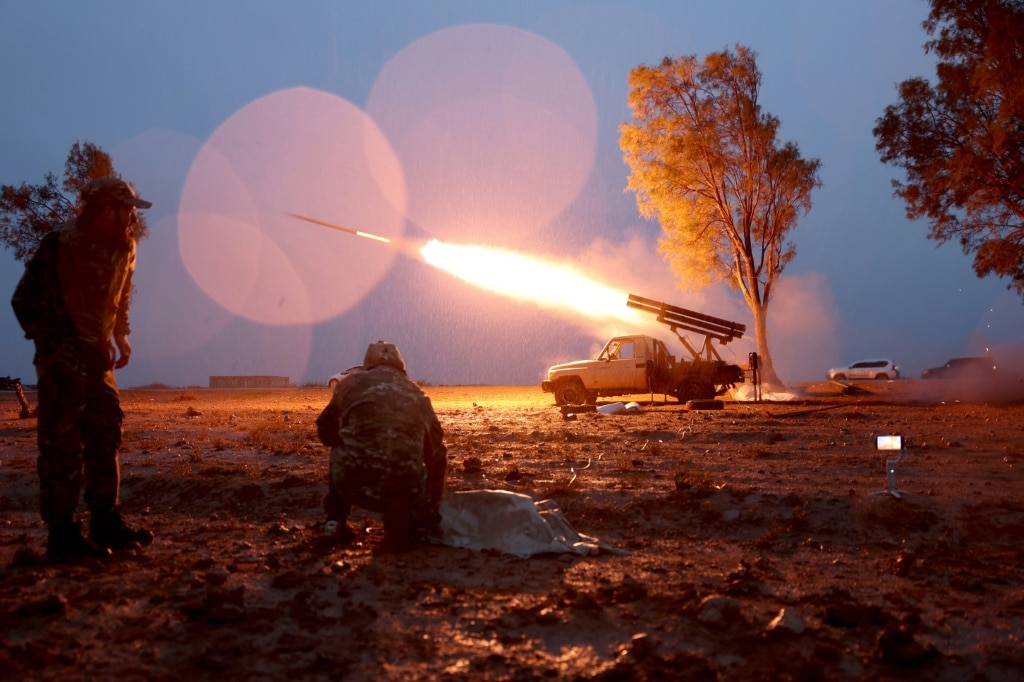
In a significant geopolitical shift, Syrian President Ahmed al-Sharaa announced a comprehensive ceasefire and integration agreement with Kurdish-led forces on Sunday. This development follows rapid territorial advances by government troops across northern and eastern Syria, including the strategic capture of Tabqa city and the vital Euphrates Dam.
The 14-point agreement, published by the Syrian presidency, mandates the full integration of the Kurdish administration and security forces into state structures. Key provisions include transferring control of Deir Ezzor and Raqa provinces to Damascus and incorporating the Syrian Democratic Forces (SDF) into Syria’s defense and interior ministries. The central government will also assume responsibility for Islamic State prisoners currently held in Kurdish-run detention facilities.
Military movements precipitated the diplomatic breakthrough. The SDF unexpectedly withdrew from positions in Deir Ezzor’s eastern countryside, including the valuable Al-Omar and Tanak oil fields—Syria’s largest petroleum assets. Simultaneously, government forces advanced into Arab-majority areas previously under Kurdish control, with coordination reported between Damascus and local tribal fighters formerly aligned with the SDF.
The agreement represents a consolidation of state authority but diminishes Kurdish aspirations for preserved autonomy. While President Sharaa had granted Kurds official recognition on Friday, Kurdish leaders previously indicated such measures fell short of their expectations.
International reactions emerged as US envoy Tom Barrack, meeting with Sharaa in Damascus, characterized the pact as a ‘pivotal inflection point.’ The United States Central Command had earlier urged Syrian government forces to cease offensive operations between Aleppo and Tabqa, reflecting Washington’s complex position supporting both Kurdish forces and Syria’s current administration.
On the ground, residents reported mixed reactions. In Raqa, civilians expressed fear amid ongoing clashes, while hundreds demonstrated in the Kurdish stronghold of Qamishli, chanting defensive slogans. Syrian Energy Minister Mohammad al-Bashir declared that returning the region’s resources to state control would ‘open the door wide for reconstruction’ across energy, agriculture, and trade sectors.