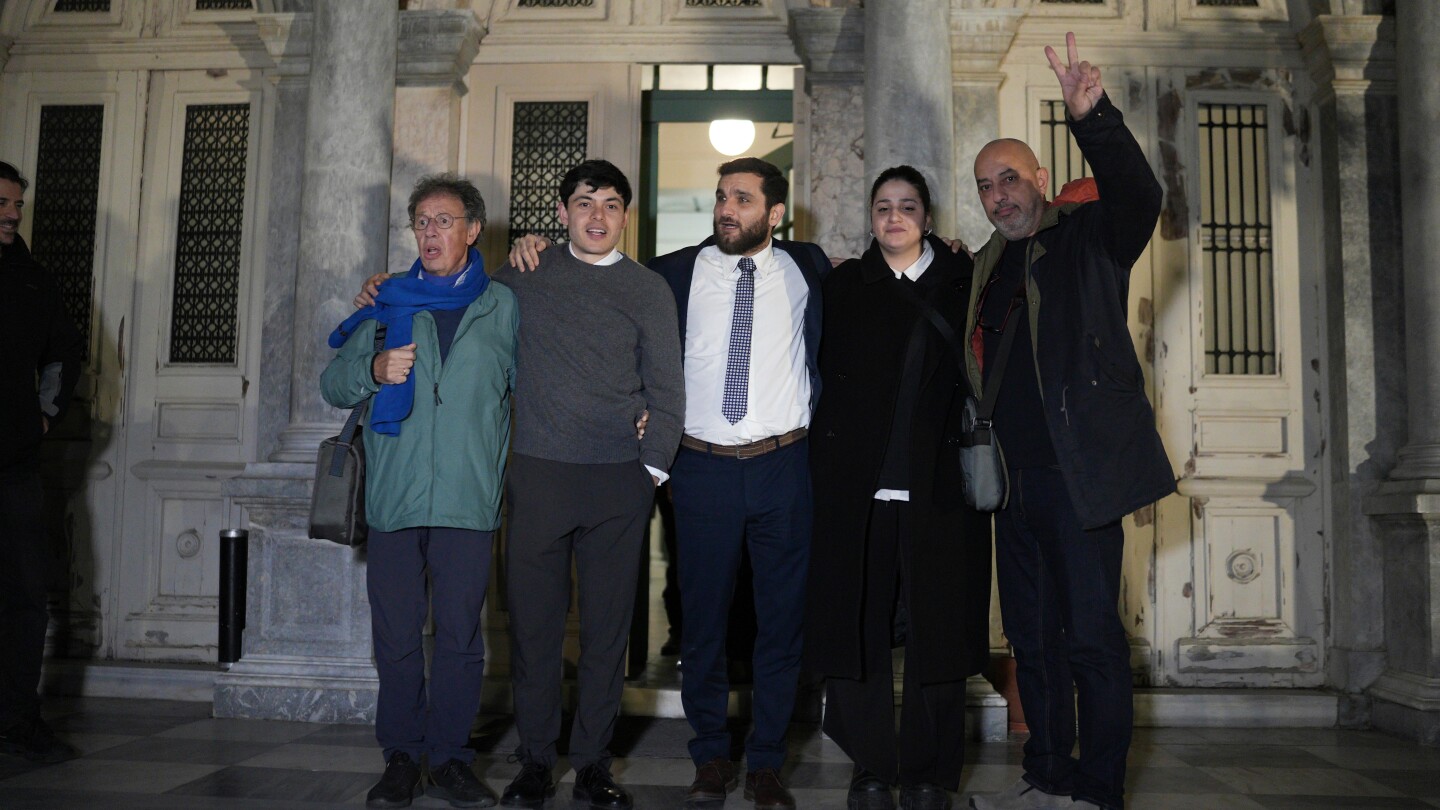
In a landmark verdict with profound implications for humanitarian aid operations, a Greek judicial panel on Thursday exonerated 24 volunteer rescuers who provided assistance to migrants arriving on the shores of Lesbos. The decision concludes a protracted legal battle that had drawn international condemnation from human rights organizations worldwide.
Among those cleared was Syrian Olympian Sarah Mardini, whose harrowing escape from conflict and subsequent humanitarian work formed the narrative foundation for the 2022 Netflix biographical drama ‘The Swimmers’. The Mytilene court determined that volunteers affiliated with Emergency Response Centre International, a Greece-based nonprofit organization, were not culpable of charges alleging facilitation of illegal entry and establishment of a criminal enterprise.
The prosecution itself had previously recommended dismissal of all charges, emphasizing the absence of incriminating evidence and highlighting the defendants’ consistent practice of notifying port authorities of approaching migrant vessels. This judicial outcome triggered emotional celebrations outside the courthouse, with supporters applauding as the acquitted individuals emerged. Several volunteers marked their vindication with a symbolic nighttime swim in the island’s harbor.
‘We committed no unlawful acts,’ Mardini declared following the verdict. ‘If rendering assistance to fellow human beings constitutes criminal behavior, then we must all bear guilt.’
The ruling arrives amid intensified migration enforcement measures across several European Union governments, including Greece’s expanded deportation protocols for rejected asylum seekers. Human rights advocates characterized the acquittal as both a personal victory for the defendants and a critical precedent for humanitarian operations. Eva Cosse of Human Rights Watch noted that while the outcome represented legal vindication, it remained ‘bittersweet’ following a seven-year judicial ordeal based on unsubstantiated allegations.
Mardini’s journey from Syrian refugee to Olympic athlete and aid worker exemplifies the complex realities of contemporary migration patterns. After she and her sister Yusra—who later competed in the Rio Olympics’ inaugural refugee team—narrowly survived a perilous sea crossing to Lesbos in 2015, Sarah returned to the island to volunteer before facing arrest and pretrial detention in 2018.
Amnesty International’s Eve Geddie interpreted the verdict as a potent message to European governments, asserting that ‘solidarity, compassion and defending human rights should be protected and celebrated, not punished.’