In a landmark move, Syria’s interim government has issued a decree formally recognizing Kurdish cultural and linguistic rights for the first time since the nation’s independence in 1946. The declaration, announced by Interim President Ahmad al-Sharaa in a televised address late Friday, designates Newroz (the Kurdish new year) as a national holiday and restores citizenship to Kurds who were stripped of their nationality following a controversial 1962 census.
While the decree prompted celebrations among Kurds in government-controlled areas like Damascus and Afrin, it received a muted response in regions under Kurdish autonomous control. Kurdish political factions across the spectrum acknowledged the gesture but universally warned it falls short of addressing their fundamental demands.
The Kurdish-led Democratic Self-Administration of North and East Syria (DAANES) stated that no decree can constitute genuine guarantees unless embedded within a comprehensive constitutional framework. Similarly, Salih Muslim of the Democratic Union Party (PYD) characterized the measures as ‘individual promises’ rather than binding constitutional rights.
Even welcoming voices like Shalal Gado of the Kurdish National Council emphasized that these provisions must evolve into constitutionally protected rights with legal safeguards. The decree fails to address the plight of unregistered Kurds (maktoumeen) and those abroad classified as foreigners (ajanib), leaving them stateless and unable to work, study, or marry legally.
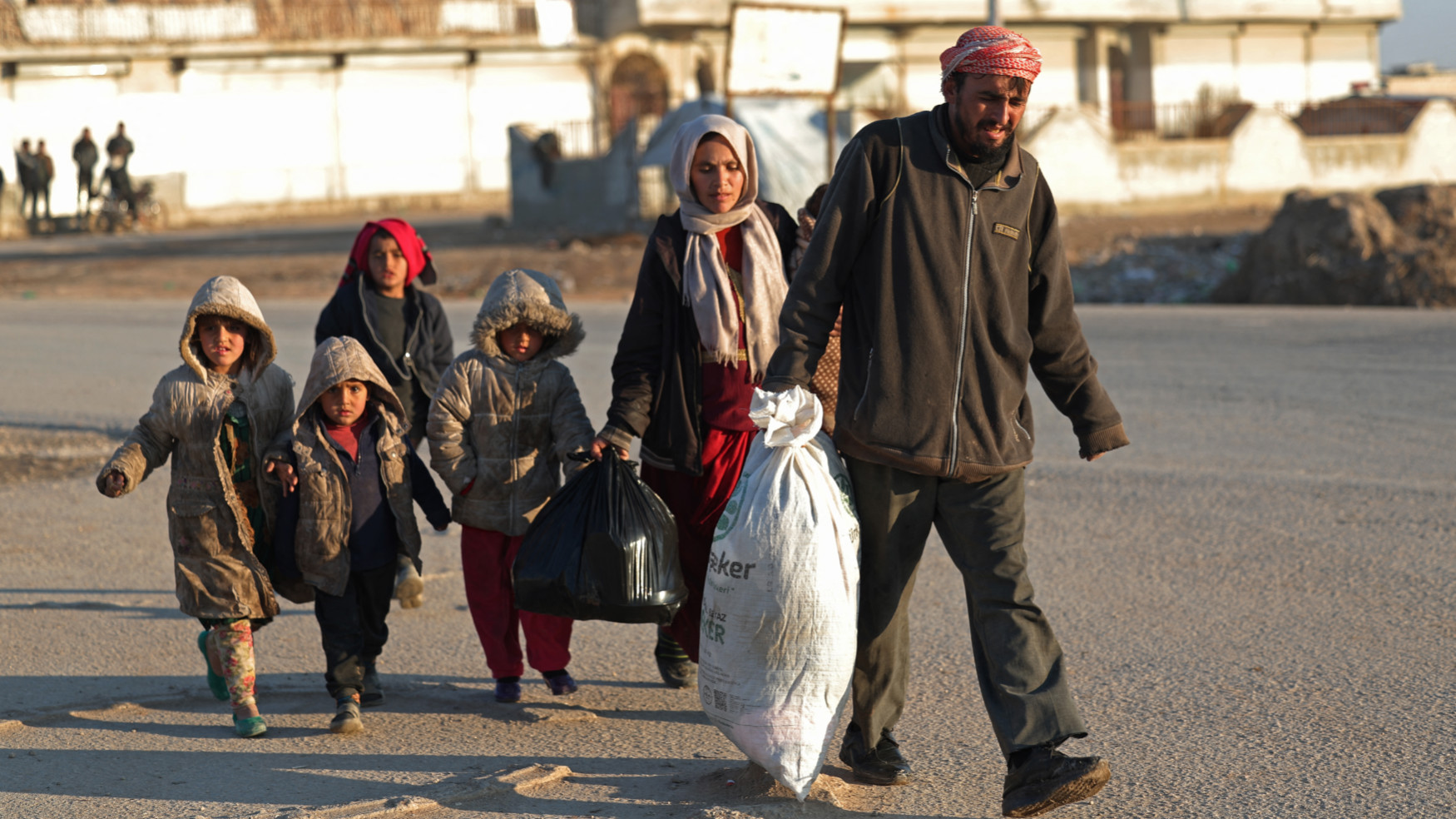
The announcement comes amid intensified international mediation to halt recent violent clashes in Aleppo between Kurdish forces and the Syrian army. The fighting displaced approximately 120,000 people and threatened to derail the March agreement between Damascus and the Kurdish-led Syrian Democratic Forces (SDF).
Analyst Meghan Bodette of the Kurdish Peace Institute noted the decree could represent a partial step toward implementing Damascus’s obligations under the March security integration framework. However, she emphasized its ‘revocable nature and shortcomings on critical issues’ prevent it from being a comprehensive solution to Syria’s longstanding Kurdish question, which affects nearly two million citizens.