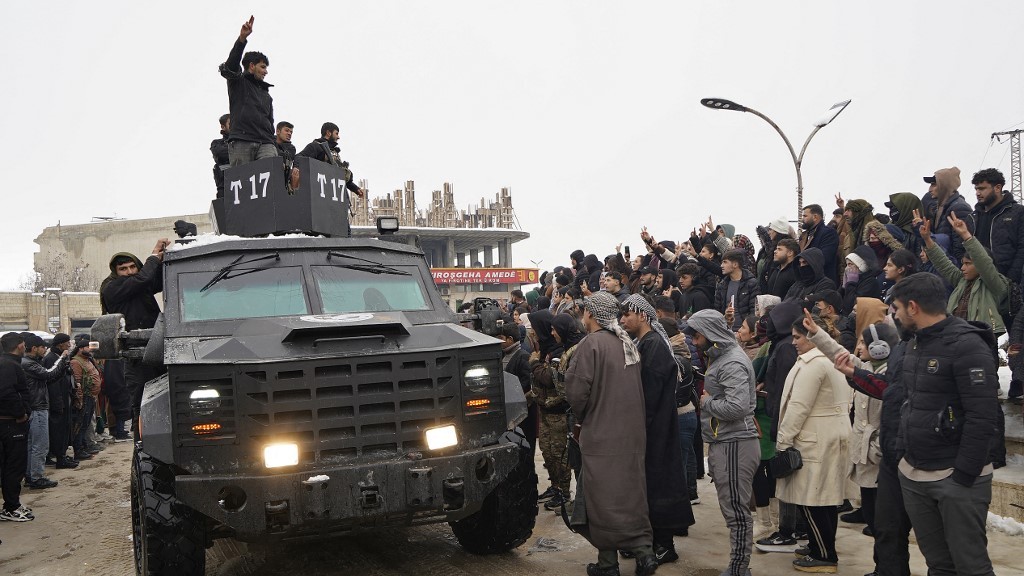
In a landmark development for Syria’s protracted conflict, the Damascus government and the Syrian Democratic Forces (SDF) have finalized a comprehensive ceasefire agreement culminating in military and administrative integration. This resolution follows intense weeks of hostilities that significantly diminished the SDF’s territorial control.
The accord mandates the deployment of Syrian interior ministry security forces to urban centers in Hasakah and Qamishli, northeastern cities presently under Kurdish-led administration. This strategic arrangement addresses immediate security concerns while facilitating administrative harmonization.
The conflict’s recent phase has substantially reversed territorial gains made by the SDF since Syria’s civil war erupted in 2011, now largely constraining the group to Kurdish-majority regions. A central component of the integration plan involves establishing three new Syrian army brigades from existing SDF formations.
The SDF, originally constituted in 2015 from primarily Kurdish People’s Protection Units (YPG) and allied Arab militias, played a pivotal role in combating Islamic State with substantial U.S. military support. However, the coalition’s aspirations for autonomous regional governance have been effectively neutralized through combined military pressure from Syrian government forces and shifting U.S. foreign policy priorities.
The current Syrian administration, established following the overthrow of Bashar al-Assad in December 2024, has consistently opposed any devolution of power from Damascus. This agreement reinforces their centralization strategy while accommodating certain regional security realities. Complicating the dynamic, Turkey—a key government ally—maintains its designation of the YPG as inextricably linked to the Kurdistan Workers’ Party (PKK), which has waged an autonomy campaign against Turkish authorities since 1984.