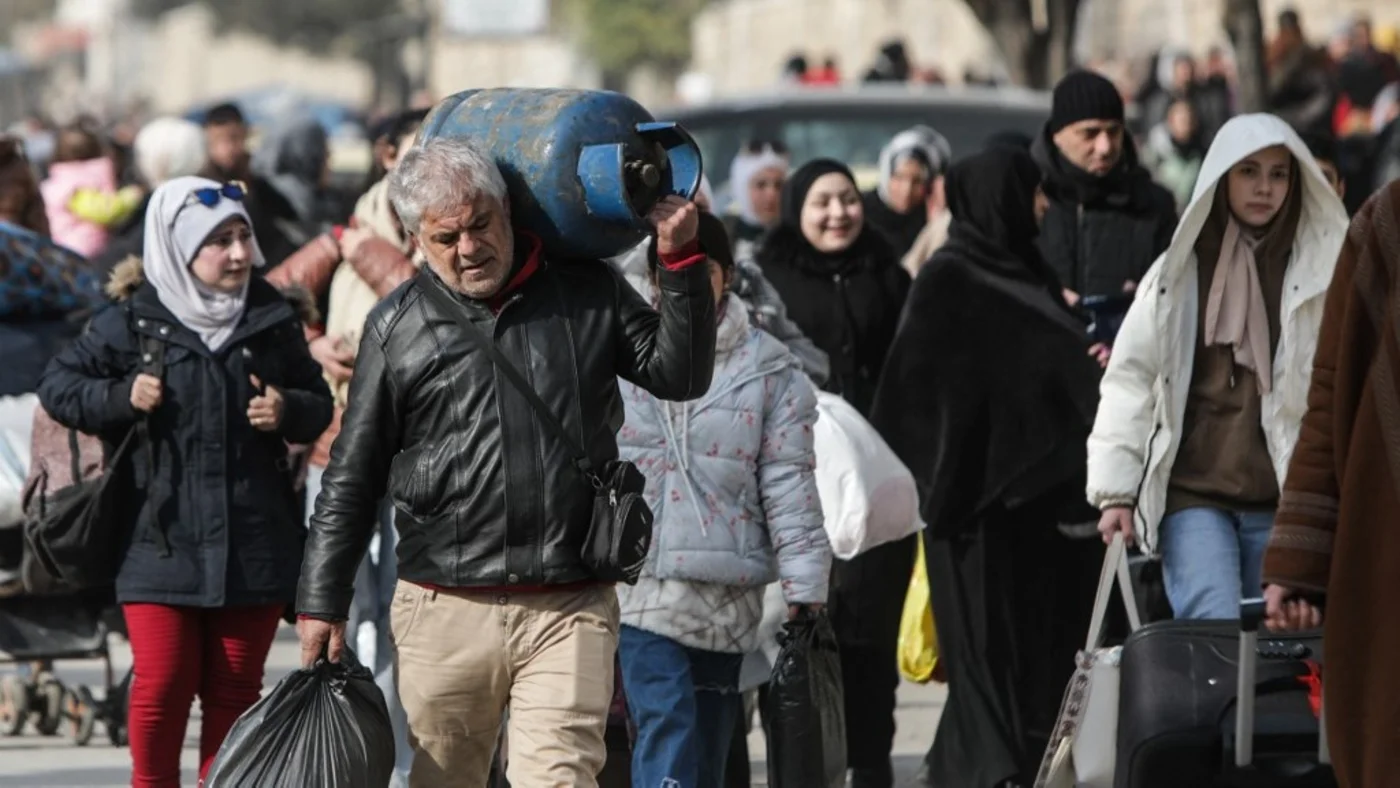
The Syrian military has officially designated the Kurdish-controlled neighborhoods of Aleppo as closed military zones, marking a significant escalation in the ongoing conflict. In a statement issued Wednesday, the army announced the establishment of two humanitarian corridors from areas held by the Kurdish-led Syrian Democratic Forces (SDF) to facilitate civilian evacuations, while simultaneously declaring the Sheikh Maqsud and Ashrafieh districts as prohibited military areas effective 3pm local time.
According to AFP correspondents, artillery bombardments had already commenced in these neighborhoods by Wednesday afternoon, signaling an intensification of hostilities. This development occurs against the backdrop of heightened tensions between the SDF—which controls substantial territory in northeastern Syria—and the administration of President Ahmed al-Sharaa, who assumed power following the overthrow of Bashar al-Assad in December 2024.
The Syrian military has accused the SDF of perpetrating civilian massacres in Aleppo and conducting artillery strikes against government-controlled areas—allegations that Kurdish forces vehemently deny. Conversely, the SDF has condemned what it characterizes as indiscriminate artillery and missile attacks against its positions, including the deployment of drone warfare, sniper fire, and heavy weaponry.
Complicating the situation further, Turkish authorities maintain their longstanding position that the People’s Protection Units (YPG)—the dominant faction within the SDF—represent an extension of the Kurdistan Workers Party (PKK). Despite the PKK’s formal declaration ending its conflict with Turkey in May 2025, Ankara continues to demand complete disarmament of all Kurdish-affiliated groups in Syria.
Turkish Defense Minister Yasar Guler reiterated this position Tuesday, stating: ‘The PKK and all affiliated groups must immediately cease all terrorist activity in regions where they are present, including in Syria, and lay down their weapons without condition.’
The political landscape remains equally complex. While SDF leader Mazloum Abdi signed a landmark agreement with the Damascus government in March 2025 regarding integration, implementation has stalled over constitutional disagreements and debates concerning decentralized governance structures.
Meanwhile, Turkey’s pro-Kurdish Peoples’ Equality and Democracy Party (DEM Party) has accused Damascus of conducting what it describes as an ‘extermination operation’ against Kurds in Aleppo, advocating instead for comprehensive democratization as the pathway to sustainable peace in Syria.