A tragic incident in the central Syrian city of Homs has sparked a wave of sectarian violence, threatening the fragile stability of the region. On Sunday, the brutal killing of a Sunni Bedouin man and his wife in the town of Zaidal, located 7km east of Homs, ignited widespread unrest. According to the state-run SANA news agency, the man was stoned to death, while his wife was burned alive. Disturbingly, sectarian slogans and threats were reportedly scrawled on walls at the scene, allegedly using the victims’ own blood.
In the aftermath, armed members of the Bani Khaled tribe, to which the victims belonged, launched retaliatory attacks in Alawi-majority areas of Homs. Reports from the UK-based Syrian Observatory for Human Rights detailed the destruction of homes and vehicles, accompanied by indiscriminate gunfire. Social media videos captured the chaos, showing Bedouin tribesmen setting properties ablaze, while plainclothed security forces assisted Alawi residents in evacuating their neighborhoods.
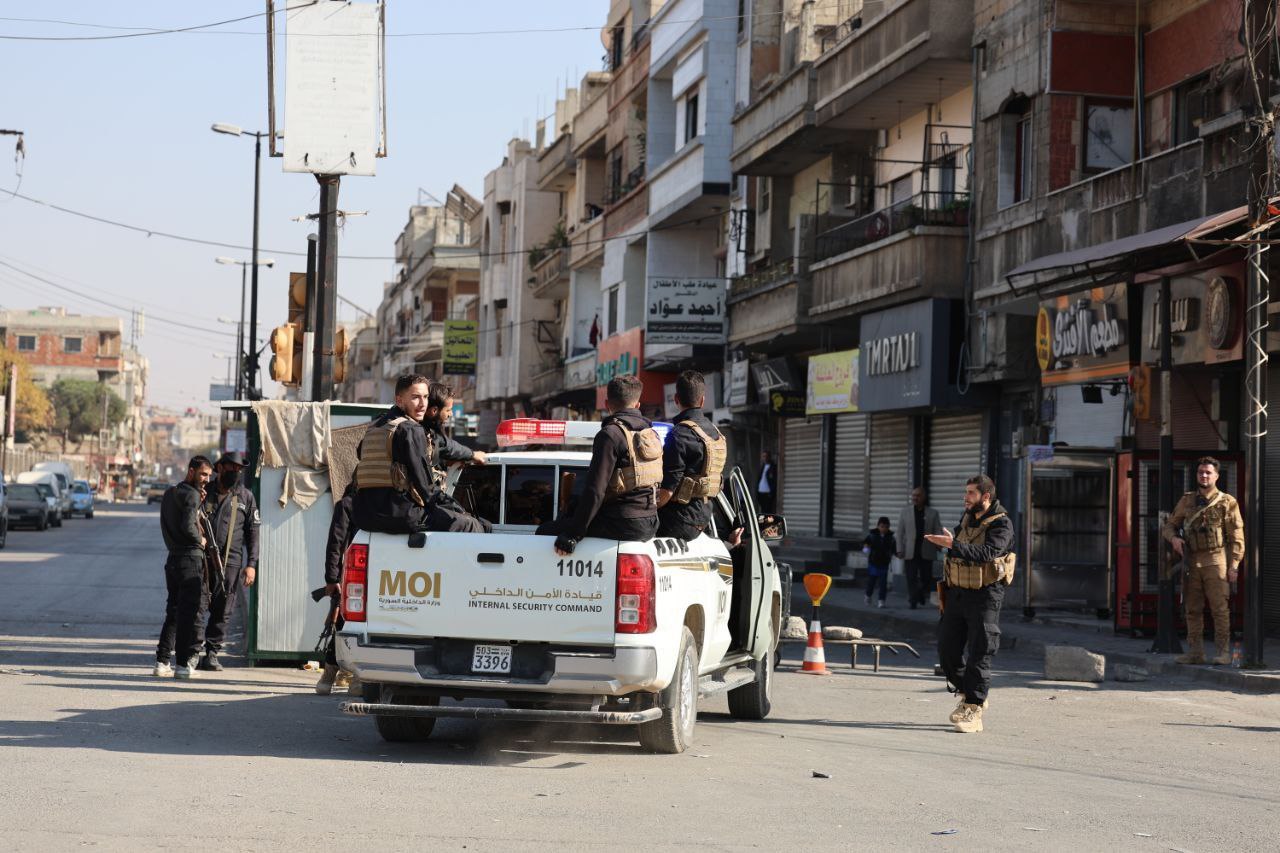
Local authorities swiftly imposed a curfew, later extended to Monday evening, in an effort to quell the violence. By 16:00 GMT Monday, SANA reported that the unrest had subsided. Syria’s interior ministry appealed for calm, urging residents to allow the investigation into the killings to proceed without interference. Interior ministry spokesman Noreddine al-Baba emphasized that there was ‘no material evidence’ to suggest the killings were sectarian in nature. Similarly, Murhaf al-Naasan, head of Homs’ internal security forces, warned that the incident appeared to be an attempt to incite sectarian divisions and destabilize the region.
Homs, Syria’s third-largest city, is home to a diverse population of Sunni and Shia Muslims, Alawis, and Christians. The city had largely avoided the sectarian violence that erupted in March, when clashes between government loyalists and new security forces led to hundreds of Alawi deaths. In a video released on social media, members of the Bani Khaled tribe called for a thorough investigation and justice for the victims, while rejecting efforts to frame the incident as a sectarian conflict.
This tragic event underscores the delicate balance of coexistence in Homs and the broader challenges facing Syria as it navigates its complex social and political landscape.