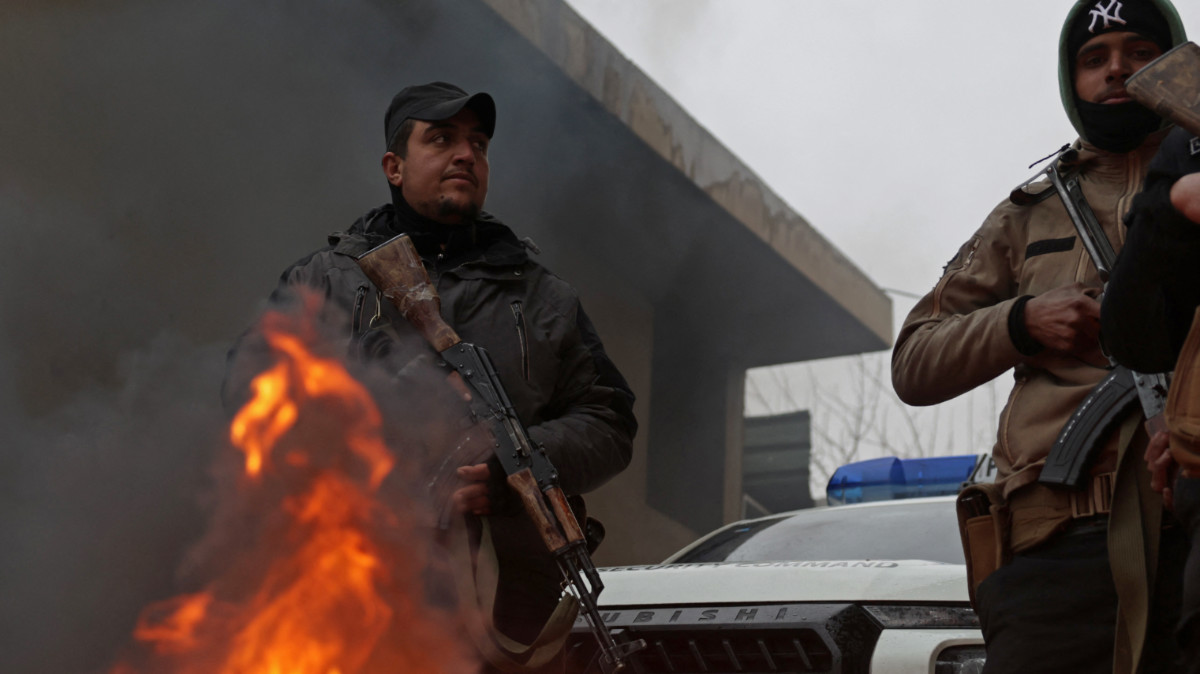
In a significant geopolitical realignment, the United States has declared the original purpose of its security partnership with the Syrian Democratic Forces (SDF) largely fulfilled. US Ambassador Tom Barrack announced this strategic shift on Tuesday, coinciding with Damascus’s proclamation of a four-day ceasefire and a comprehensive compromise agreement.
The breakthrough arrangement mandates that Kurdish fighters integrate into the Syrian national army as individuals rather than as distinct Kurdish-led divisions. This structure addresses the SDF’s longstanding request for maintaining cultural autonomy while unifying Syria’s security apparatus. Concurrently, Damascus will assume control over critical infrastructure including border crossings, oil facilities, ISIS detention centers, and strategically vital dams in water-scarce eastern regions.
Ambassador Barrack articulated on social media platform X that ‘the original purpose of the SDF as the primary anti-ISIS force has largely expired,’ noting Damascus’s current willingness and capability to assume security responsibilities. His statement aligned temporally with Syria’s announcement granting the SDF 96 hours to formulate an integration plan for Hasakah province.
The agreement contains significant concessions from both parties. Syrian government forces have committed to abstain from entering Kurdish-majority villages or the cities of Hasakah and Qamishli, which serve as SDF headquarters. This development follows recent military advances by President Ahmed al-Sharaa’s forces, which reclaimed territories including Raqqa and oil-rich Deir Ezzor from SDF control.
Barrack framed the diplomatic achievement as creating ‘a unique window for the Kurds’ offering full citizenship rights, constitutional protections for Kurdish language and culture, and participatory governance. These provisions, backed by US diplomacy, reportedly exceed the semi-autonomous status the SDF maintained during civil war instability.
The agreement follows President Sharaa’s January decree recognizing Kurds as ‘a basic and authentic part of the Syrian people’ while restoring citizenship to those deprived since the 1960s. Ambassador Barrack, who manages Syria policy for the Trump administration, has been mediating between the SDF, Damascus, and Ankara—Turkey being Sharaa’s key foreign supporter and traditional adversary of Kurdish forces.
This policy shift represents Washington’s most coherent Syria strategy to date, emphasizing extrication from long-term military presence, ensuring ISIS’s definitive defeat, and mediating ethnic reconciliation without endorsing separatism. The unitary state approach also reassures Damascus and Turkey about US commitments to Syria’s territorial integrity, countering regional alternatives including Israeli preferences for segmented governance structures.