In a significant development for Syria’s protracted conflict, the Damascus government and the Kurdish-led Syrian Democratic Forces (SDF) have solidified a new ceasefire agreement. The truce, which commenced on Tuesday evening for an initial four-day period, follows a major military escalation and paves the way for implementing a broader political accord.
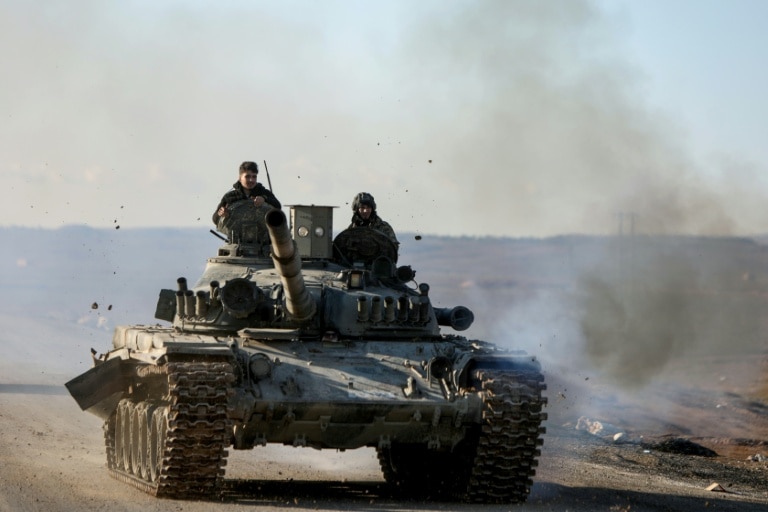
The agreement emerges amidst substantial Syrian army reinforcements advancing towards the strategic northeastern Hasakeh province, a traditional SDF stronghold. Concurrently, Kurdish forces executed a tactical withdrawal from the contentious Al-Hol camp, a facility housing thousands of individuals with alleged affiliations to the Islamic State (IS), including foreign nationals.
This military de-escalation directly facilitates a political deal brokered on Sunday between President Ahmed al-Sharaa and SDF commander Mazloum Abdi. The core of this agreement involves the integration of the Kurdish autonomous administration into the central Syrian state, marking a potential end to the de facto self-rule established by the Kurds in northeastern regions.
The SDF, which once governed vast territories across north and east Syria with critical backing from a U.S.-led coalition against IS, has recently ceded control of Arab-majority areas like Raqa and Deir Ezzor. This shift follows a sustained military push by government forces that began earlier this month in Aleppo.
The U.S. stance appears to be adapting to this new reality. American envoy Tom Barrack stated that the SDF’s primary purpose as the main ground force against ISIS has ‘largely expired,’ asserting that Damascus is now both willing and positioned to assume full security responsibilities, including management of ISIS detention facilities.
On the ground, the atmosphere remains tense. In Hasakeh city, AFP correspondents reported Kurdish civilians, including women and the elderly, taking up arms in support of SDF patrols. Meanwhile, SDF Chief Abdi delineated the defense of predominantly Kurdish areas as a ‘red line’ and called upon the international coalition to uphold its responsibilities regarding IS detainee facilities.
The situation has triggered international reactions, including protests on the Syria-Turkey border and condemnations from figures like Nadia Murad, who decried the perceived abandonment of Syria’s Kurds. The outcome of this four-day ceasefire and the subsequent negotiations will critically determine the future balance of power and security architecture in northeastern Syria.