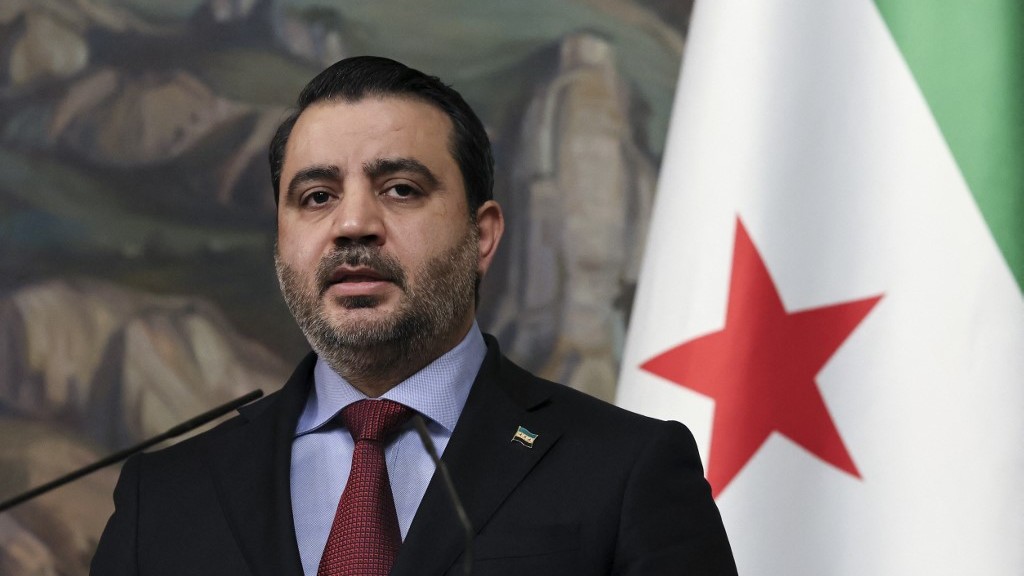
Syria’s Foreign Minister, Asaad al-Shaibani, has asserted that Syria does not face a sectarian problem, emphasizing the government’s commitment to building a pluralistic, election-based state. Speaking at Chatham House in London after meetings with British officials, Shaibani highlighted the need for trust and confidence-building following 13 years of devastating conflict. He envisions a Syria where the state is inclusive and embraced by its people, rather than estranged from them. Responding to concerns about minority rights, Shaibani cited a conversation with a visiting official in Damascus, underscoring Syria’s historical diversity and coexistence. However, the transitional government, led by President Ahmed al-Sharaa, has faced significant challenges since assuming power in December, including internal unrest, Israeli attacks, and strained relations with former allies and adversaries. The recent parliamentary elections, criticized for their lack of inclusivity, bypassed key regions like Sweida and Kurdish-held areas, leaving 32 seats vacant. The government argues that popular elections are unfeasible in the aftermath of the war, which has displaced millions and claimed hundreds of thousands of lives. Despite these hurdles, Shaibani expressed optimism about developing a politically active civil society and establishing a foundation for future participation. Meanwhile, reports of a new political party led by Sharaa and Shaibani have raised concerns about a return to one-party rule. Sectarian violence in regions like Latakia and Sweida has further complicated efforts to reduce tensions, with government forces accused of summarily executing Druze civilians. Shaibani also confirmed ongoing direct negotiations with Israel, aiming for a security agreement and de-escalation, despite Israel’s historical annexation of Syrian territories.