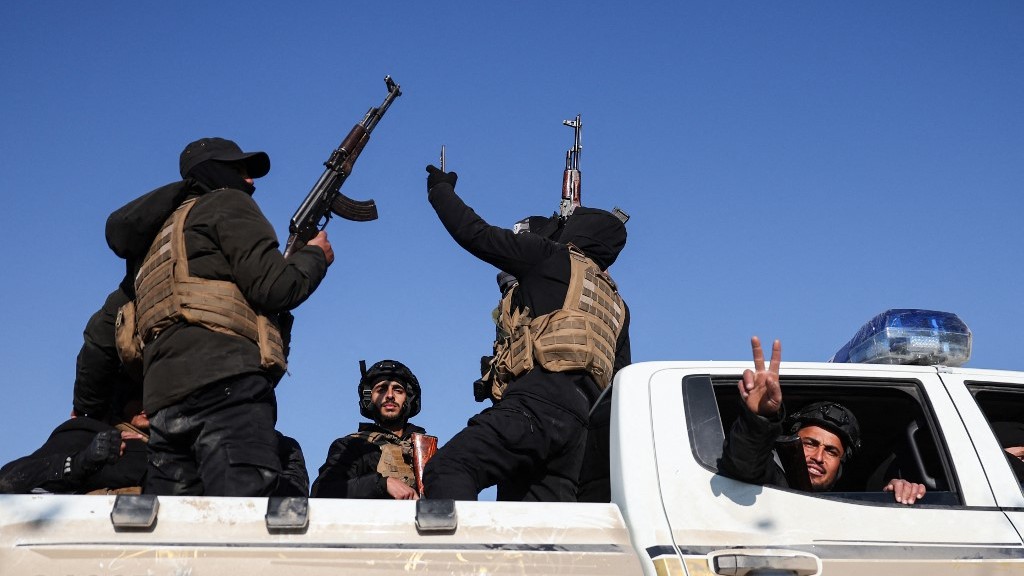
The Syrian Interior Ministry has leveled serious allegations against the Syrian Democratic Forces (SDF), accusing them of orchestrating the intentional release of Islamic State fighters from al-Shaddadi prison in northeast Syria. Damascus characterized this action as an act of ‘political and security blackmail’ in an official statement released Tuesday.
According to ministry reports, Syrian government forces successfully recaptured 81 of approximately 120 detainees who escaped during the incident. The ministry revealed that Syrian army units had previously avoided entering the al-Shaddadi facility during recent military operations based on an understanding that the SDF would subsequently transfer control of the prison to Damascus.
Official accounts indicate that Syrian military commanders engaged mediators and SDF leadership to coordinate the transfer of the detention facility to state internal security forces. The ministry claims the SDF ultimately rejected this request and subsequently issued statements that allegedly ‘sought to mislead international opinion.’
The Syrian government’s statement contained a stark warning: ‘The Syrian government warns the SDF leadership against taking any reckless steps that would facilitate the escape of ISIS detainees or open prisons for them as a retaliatory measure or as a political pressure tactic.’
The SDF, which maintains control over numerous sensitive detention sites despite previous agreements, has vehemently disputed the government’s narrative. The Kurdish-led forces contend that the prison break occurred following an attack by tribal fighters affiliated with the Syrian army, asserting that government forces lost operational control of the facility.
This escalating dispute emerges amid heightened tensions following recent ceasefire negotiations that included provisions for SDF withdrawal from areas west of the Euphrates River. On Tuesday, SDF commander Fawza Youssef accused President Ahmed al-Sharaa’s government of failing to uphold the terms of the agreement.
The ongoing conflict highlights the complex security situation in northeastern Syria, where the SDF controls more than a dozen prisons holding approximately 9,000 IS suspects who have remained detained for years without formal judicial proceedings.
Recent diplomatic efforts, including Monday’s talks between President al-Sharaa and SDF leader Mazloum Abdi, concluded without agreement. Damascus proposed deploying internal security forces to Hasakah, offering Abdi the position of deputy defense minister, appointing a governor, and removing Kurdistan Workers’ Party members from the region.
In a significant diplomatic development, President al-Sharaa subsequently communicated with former U.S. President Donald Trump, with both leaders emphasizing the importance of Syria’s territorial integrity and the protection of Kurdish rights within the country.