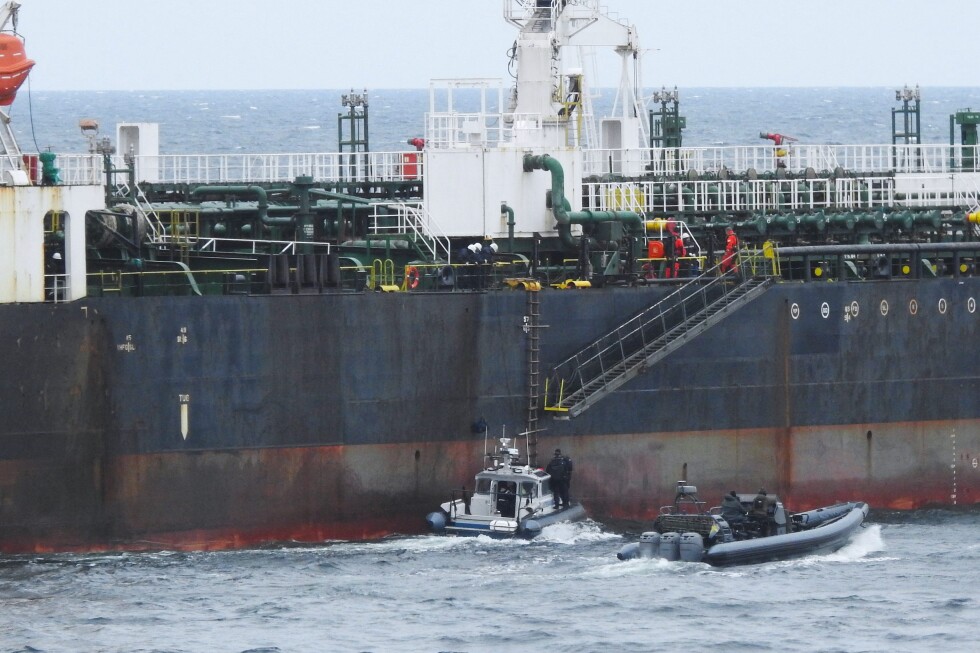
In a recent development out of the Baltic Sea region, Swedish law enforcement authorities have released an EU-sanctioned oil tanker that was held last week over suspicions it was responsible for a major offshore oil leak. The vessel, identified as the *Flora 1*, was boarded and detained after a 12-kilometer (8-mile) long oil slick was spotted in the Baltic Sea on Thursday.
Sweden’s Coast Guard announced Tuesday that after a full evidentiary review, investigators did not uncover enough concrete proof to tie the tanker to the spill, clearing the way for its release. The agency also noted that investigators have now confirmed the *Flora 1* is legally registered under the flag of Cameroon — a detail that remained unconfirmed at the time the vessel and its 24-person crew were taken into custody on Friday.
The *Flora 1* was added to the European Union’s sanctions list of vessels linked to Russian oil trade over what officials describe as consistent “irregular and high-risk shipping practices.” These unsafe operational habits frequently include disabling the automatic identification systems (AIS) that broadcast a vessel’s real-time location to other maritime traffic, a common tactic to obscure a ship’s movements and cargo origin.
This round of EU sanctions targets what has become known as the “shadow fleet” of oil tankers, a network that emerged following the Group of Seven democracies’ implementation of a price cap on Russian crude. The cap was designed to cut into the revenue Russia uses to fund its ongoing full-scale invasion of Ukraine, and it operates by banning Western-linked insurance and shipping providers from handling Russian cargo sold above the set price threshold.
Shadow fleet vessels are typically aging ships with opaque ownership and insurance registered in nations that do not abide by the G7 price cap. Maritime safety experts have long warned that the advanced age of these vessels, combined with their lack of Western-backed insurance coverage, creates major environmental risks — including higher likelihood of accidental oil spills, and widespread uncertainty over who would be held financially responsible for cleanup costs if a major incident occurs.
According to data from the Ukrainian government, the *Flora 1* was most recently owned by a Hong Kong-based company as of late 2025, and has been sanctioned not only by the EU but also by the United Kingdom, Canada, Australia, Switzerland, and New Zealand. Open-source maritime tracking records show the tanker has changed its name six times and re-flagged in nine different countries over its operational history. It has also previously been documented disabling its AIS tracking system and conducting unscheduled ship-to-ship oil transfers — a common tactic to hide the true origin of crude cargoes. Under current international sanctions, all economic and operational transactions involving the listed vessel are strictly prohibited.