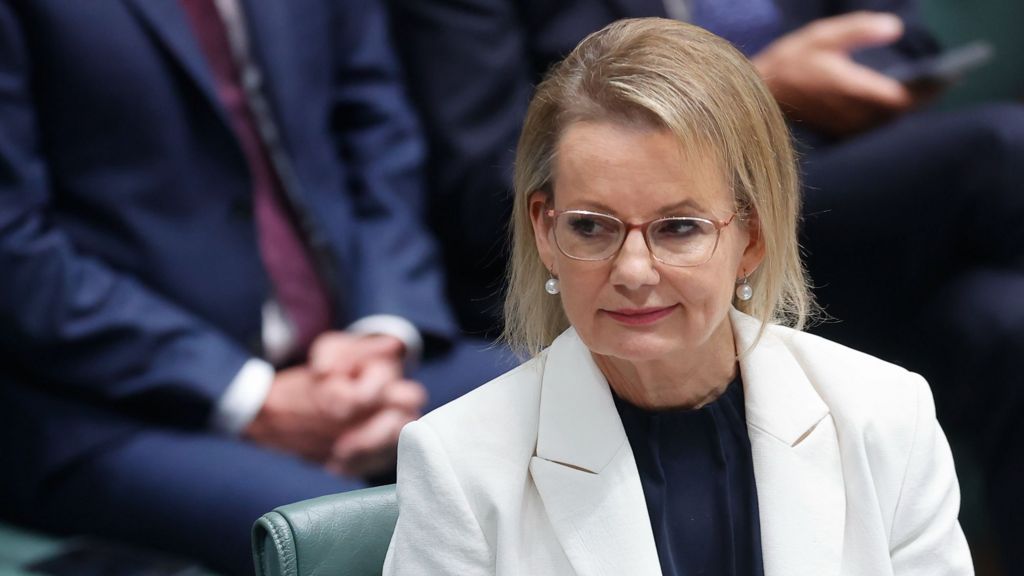
Australia’s political landscape has been rocked by the dramatic ousting of Sussan Ley as Liberal Party leader after just nine months in the role, sparking intense debate about gender dynamics in conservative politics. Ley, who made history as the first woman to lead the Liberal Party, was replaced by Angus Taylor in a leadership ballot that saw Taylor prevail 34 votes to 17, with Senator Jane Hume elected as deputy leader.
The leadership change comes amid what political analysts describe as a perfect storm of challenges for the opposition party. Following the most devastating election defeat in the modern Liberal Party’s history last May, the new leader faced the monumental task of unifying fractured party factions, managing a deteriorating coalition with the National Party, overhauling rejected policies, and repairing the party’s reputation with female voters who had abandoned them en masse.
Ley’s brief tenure has reignited discussions about the ‘glass cliff’ phenomenon—where women and minorities are promoted to leadership positions during times of crisis, setting them up for higher failure risk. Professor Michelle Ryan, Director of the Global Institute for Women’s Leadership and coiner of the term, identified Ley’s situation as a textbook case: ‘There was just crisis on every front… it’s classic glass cliff.’
Yet perspectives on Ley’s downfall diverge sharply. Her supporters argue gender played a significant role in her premature departure, claiming she was never given a fair chance to succeed. Her opponents, including veteran political commentator Niki Savva, counter that performance, not gender, determined her fate. Savva noted Ley’s approval rating had plummeted to negative 39—the worst performance for an opposition leader in 23 years—and criticized her lack of conviction on key issues.
The leadership saga highlights broader questions about diversity in Australian politics. While the Labor Party has achieved gender parity in its caucus (57% women) through ambitious quotas implemented over three decades, the Coalition remains approximately one-third female and has resisted quota systems. This reluctance has contributed to the rise of independent female ‘Teal’ candidates who now dominate the crossbench.
As Taylor assumes leadership, the Liberal Party faces mounting pressure to address internal disunity and better reflect modern Australia’s diversity. The rapid leadership change represents another chapter in the party’s ongoing struggle to adapt to contemporary political realities while maintaining its traditional base.