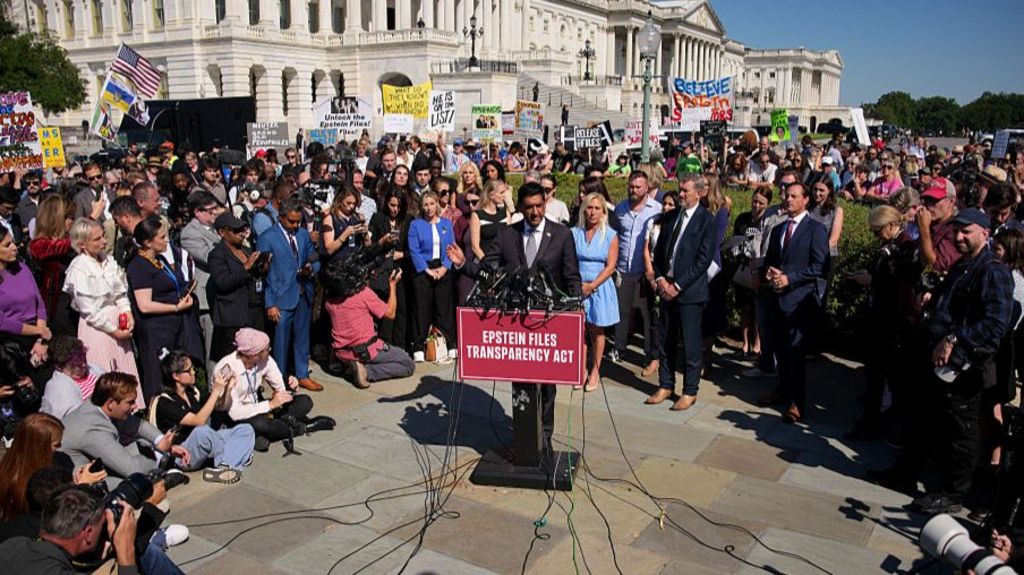
The highly anticipated release of thousands of pages from the Jeffrey Epstein case files has generated significant disappointment and criticism regarding the extent of redactions applied to the documents. Mandated by congressional action through the Epstein Files Transparency Act, the disclosure was intended to provide comprehensive transparency about the convicted sex offender’s crimes and associates.
Despite congressional directives, the U.S. Justice Department implemented substantial redactions, citing legal requirements to protect victim identities and sensitive materials. Deputy U.S. Attorney Todd Blanche confirmed the department had identified over 1,200 Epstein victims or their relatives, necessitating the withholding of material that could compromise their privacy. The redactions extend to personally identifiable information, materials depicting child sexual abuse, physical abuse evidence, and documents that might jeopardize active federal investigations or national security interests.
Among the partially released materials are photographs showing Epstein confidante Ghislaine Maxwell outside Downing Street, documentation alleging Epstein introduced a 14-year-old girl to former President Donald Trump at Mar-a-Lago, and multiple images featuring former President Bill Clinton. The files also include interior photographs of Epstein’s residences, records of his international travels, and appearances of numerous celebrities including Andrew Mountbatten-Windsor, Mick Jagger, Michael Jackson, Diana Ross, and Peter Mandelson.
Legal experts and lawmakers have expressed profound dissatisfaction with the disclosure’s execution. Criminal defense attorney John Day noted the extensive redactions would likely fuel conspiracy theories, while Congressmen Ro Khanna (Democrat) and Thomas Massie (Republican) characterized the release as incomplete and potentially non-compliant with legal requirements. Both legislators indicated they are considering responses including impeachment proceedings, contempt charges, or referrals for prosecution.
Epstein survivors have voiced particular frustration with the disclosure process. Survivor Liz Stein accused the Justice Department of brazenly violating the transparency act, while Baroness Helena Kennedy acknowledged the complex balance between victim protection and public transparency. The Justice Department maintains that all redactions were legally mandated and applied without regard to the prominence of individuals named in the documents.
The department faces a 15-day deadline to provide Congress with a detailed log explaining the basis for each redaction, a requirement that lawmakers say remains unfulfilled. This development represents the latest chapter in the ongoing investigation into Epstein’s extensive sex trafficking network and the powerful individuals associated with it.