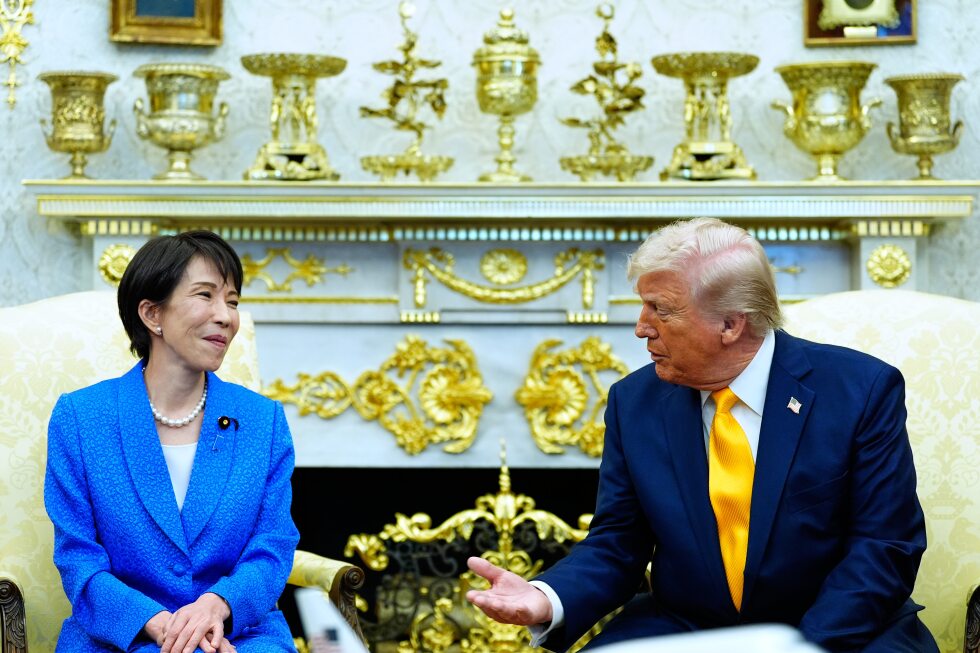
WASHINGTON — A diplomatic gathering between U.S. President Donald Trump and Japanese Prime Minister Sanae Takaichi turned unexpectedly contentious when the American leader invoked Japan’s 1941 attack on Pearl Harbor to justify his covert military operations against Iran. The historically charged remark, made during a bilateral summit, created palpable unease among Japanese officials and triggered widespread criticism from media and analysts.
Speaking to journalists on Friday, Trump defended his decision to withhold information from allies prior to the Iranian strike by referencing Japan’s surprise military action: ‘Who knows better about surprise than Japan? Why didn’t you tell me about Pearl Harbor?’ The comment landed with particular awkwardness as Prime Minister Takaichi sat beside the president, maintaining a composed demeanor despite evident discomfort.
This diplomatic incident highlights the delicate nature of historical reconciliation between the two nations. While Japan considers the United States its foremost regional ally, World War II references remain politically sensitive even eight decades after the conflict’s conclusion. The liberal-leaning Asahi newspaper condemned Trump’s statement as ‘nonsense that ignores lessons from history’ in a Saturday editorial, while social media reactions ranged from accusations of presidential ignorance to concerns about unequal partnership dynamics.
Security analyst Tsuneo Watanabe of the Sasakawa Peace Foundation observed that Trump’s remark demonstrated a departure from conventional diplomatic norms, suggesting the president sought to ‘bring Japanese officials into complicity’ regarding his Iran strategy. The incident occurs amid ongoing discussions about Japan’s military expansion beyond its self-defense-focused constitution, with Tokyo relying on Washington’s nuclear umbrella protection against regional threats.
Prime Minister Takaichi’s restrained response—limited to subtle eye movements and glances toward her ministers—drew mixed reactions. Some commentators praised her diplomatic composure, noting the summit’s primary objective was strengthening bilateral ties rather than revisiting historical debates. Others, including former diplomat Hitoshi Tanaka, criticized her approach as excessively deferential, arguing that ‘equal relationships aren’t built through flattery.’
The Japanese reporter who prompted Trump’s remark initially faced social media backlash but later explained his question reflected public concern about unilateral actions affecting allied nations. This episode contrasts sharply with the carefully choreographed reconciliation gestures of previous administrations, notably Barack Obama and Shinzo Abe’s joint visits to Pearl Harbor and Hiroshima Peace Park in 2016.