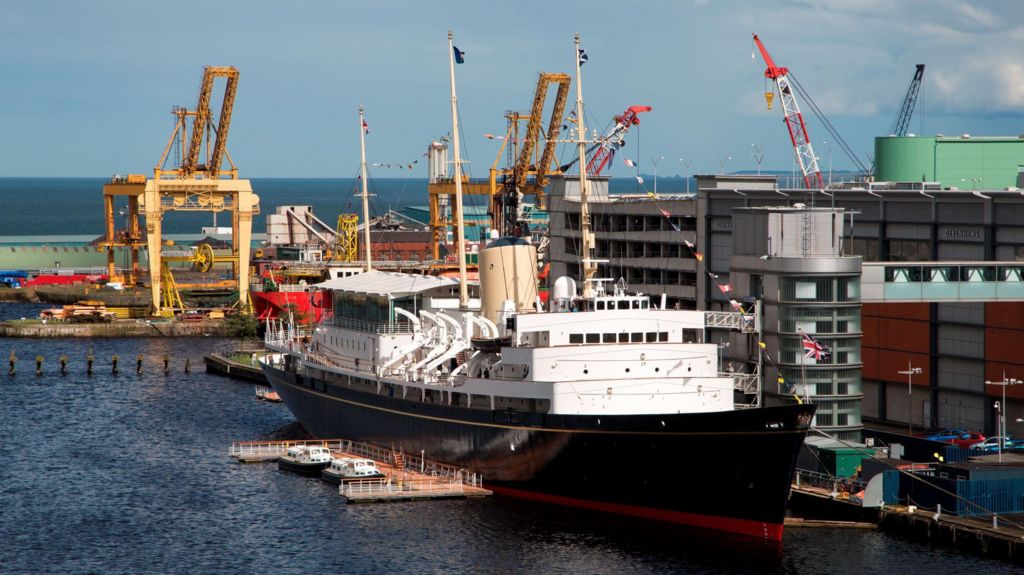
Recently declassified documents from Ireland’s National Archives have unveiled significant diplomatic concerns surrounding a proposed 1996 visit by then-Prince Charles to Ireland aboard the royal yacht Britannia. The planned three-day trip, which would have marked Charles’ first official visit to Ireland, was ultimately canceled due to mounting security apprehensions and political sensitivities.
The records reveal that British Ambassador Veronica Sutherland formally proposed in March 1996 that Charles arrive aboard HMY Britannia in Galway Bay on June 28, 1996. The itinerary included hosting receptions aboard the vessel before it would sail to Kerry and Cork for a private weekend. However, Irish officials quickly expressed concerns about the ‘rather elaborate’ nature of the proposed visit.
Then-Taoiseach John Bruton voiced particularly strong objections in a handwritten memo, warning that the royal yacht’s arrival would convey problematic symbolism. ‘The yacht suggests opulence and superiority,’ Bruton wrote. ‘It’s not the image that should be conveyed.’ He specifically worried that Britannia’s presence might revive historical debates about British treaty ports in Ireland from the 1930s.
Bruton advocated for Charles to instead arrive by commercial aircraft, noting this would provide economic benefits to regional airports. He further observed that the yacht was ‘controversial in Britain lately because of its cost,’ adding that ‘Ireland is the last place he should be bringing it.’
The documents show that by March 19, 1996, Irish officials had conveyed these concerns to British representatives and were anticipating a ‘scaled-down’ revised itinerary. Ultimately, the visit was canceled entirely due to security risks in the absence of an IRA ceasefire, with officials concluding that ‘the risks now seem to outweigh any benefits.’
In a related 2003 document, the archives reveal that Taoiseach Bertie Ahern similarly rejected a request for the British naval vessel HMS Ark Royal to dock in Dublin. Senior civil servants warned that allowing the ‘symbol of British naval prowess’ would represent a policy shift toward accepting ‘British military displays in our jurisdiction,’ particularly sensitive given the ship’s role in the Iraq War.