A protracted border closure between Pakistan and Afghanistan has created a humanitarian and economic crisis, leaving thousands of students, merchants, and families stranded with no clear resolution in sight. The land crossings have remained shut for nearly three months following deadly clashes in October that resulted in over 70 casualties, severing a vital conduit for communities on both sides.
The colonial-era Durand Line, a 2,600-kilometer border dividing the two South Asian nations, is normally a bustling artery for those who share deep cultural, economic, and familial ties. Its closure has particularly impacted the Pashtun communities it bifurcates—the same ethnic group that forms the core support for the Afghan Taliban government.
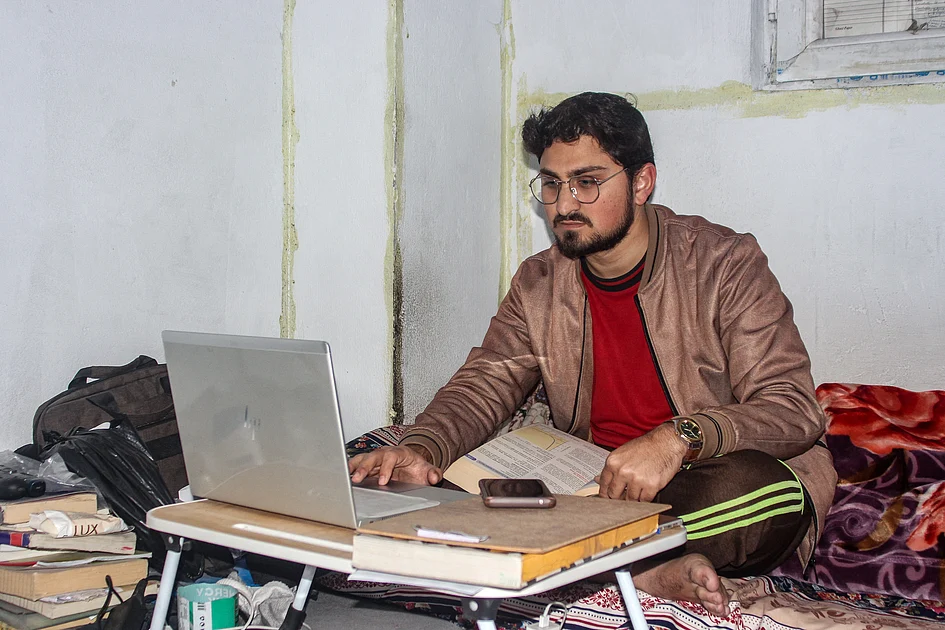
University students represent a significant portion of those trapped. Shah Faisal, a 25-year-old medical student in Afghanistan, exemplifies the personal toll, stating, ‘We miss our parents and relatives,’ after his plans to return to Pakistan during the winter break were thwarted. With commercial flights being prohibitively expensive and smuggling routes deemed too dangerous, an estimated 500-600 Pakistani students in Nangarhar province alone are seeking safe passage home.
The impasse stems from Islamabad’s allegations that Kabul is providing sanctuary to militant groups launching attacks on Pakistani soil—a charge the Taliban administration vehemently denies. Despite mediation attempts, no lasting agreement has been reached, and both governments have warned that hostilities could reignite at any moment.
Beyond the student population, the closure has crippled cross-border commerce and stranded travelers. Ehsanullah Himmat, a 21-year-old shopkeeper, traveled to Kandahar for a wedding and now finds himself and his family effectively displaced, reliant on the hospitality of relatives as winter sets in. For truck drivers like Khan Muhammad, idled at the Spin Boldak crossing, livelihoods have evaporated. ‘Work has come to a standstill,’ he lamented. ‘All our livelihoods depend on this gate.’
Official channels offer limited respite. Pakistan’s foreign ministry acknowledged nearly 1,200 citizens seeking repatriation assistance through its Kabul embassy, with just over 300 managing to return via air by December’s end. With neither government signaling a timeline or conditions for reopening, the fates of thousands hang in the balance, awaiting a political solution to a deeply entrenched dispute.