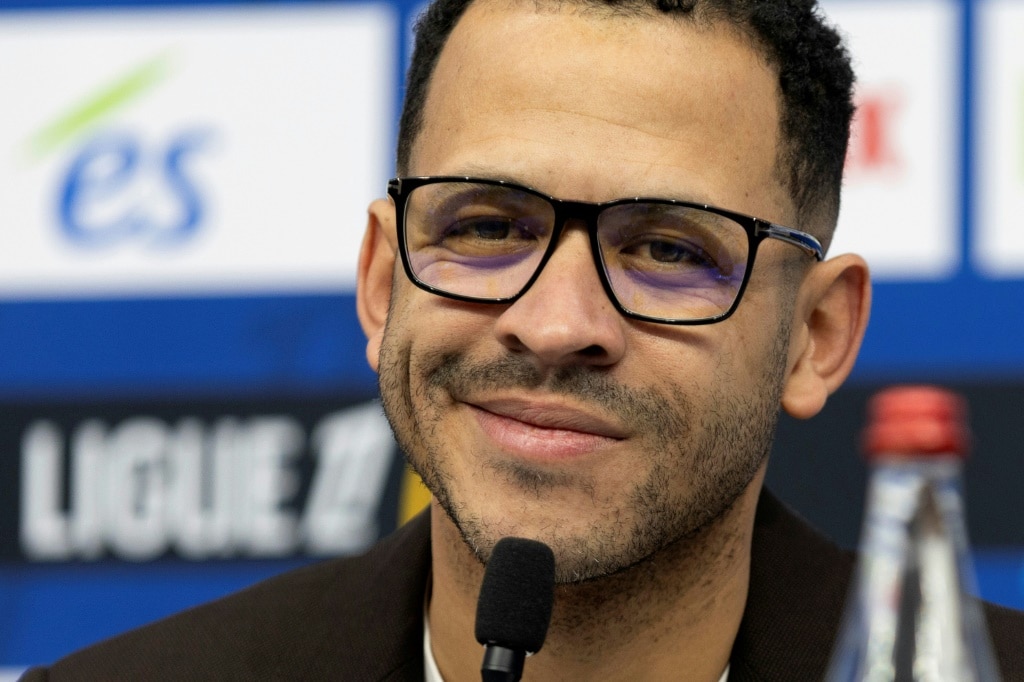
The football world is grappling with the escalating implications of multi-club ownership models, a phenomenon thrust into the spotlight by Liam Rosenior’s controversial transition from Strasbourg to Chelsea. Both clubs operate under the BlueCo consortium, helmed by American investor Todd Boehly, highlighting a growing trend where 200-300 clubs worldwide are now enmeshed in such interconnected networks.
This move has ignited fury among Strasbourg supporters, who perceive their team as being relegated to a ‘feeder club’ status within a clearly defined hierarchy. The loss of their promising young coach to Premier League giants Chelsea, coupled with the impending transfer of club captain Emmanuel Emegha, has intensified feelings of disenfranchisement. This scenario exemplifies the inherent conflicts when a smaller club’s assets—both human and tactical—are strategically redirected to benefit the consortium’s flagship entity.
Despite fan frustrations, sports economists point to tangible benefits for smaller clubs within these structures. Christophe Lepetit of the University of Limoges notes that without BlueCo’s backing, Strasbourg would lack access to current squad talents, including the retention of Emegha last summer and Argentine forward Joaquin Panichelli. The club has also benefited from loan arrangements, securing players like England defender Ben Chilwell and Brazilian midfielder Andrey Santos from Chelsea.
The model presents a complex duality: while it provides financial stability and talent access, it simultaneously erodes club autonomy and fan identity. Luc Arrondel, a researcher at the French National Centre for Scientific Research, emphasizes that supporters consider themselves the ‘only loyal entities’ in an ecosystem where players, coaches, and ownership increasingly fluctuate.
This ownership revolution is further complicated by regulatory challenges. UEFA’s rules on multiple ownership recently forced Crystal Palace’s relegation to the UEFA Conference League to avoid competing with fellow Eagle Group member Lyon. As private equity funds continue diversifying football investments to mitigate risks like relegation, the sport faces fundamental questions about competitive integrity, fan acceptance, and the future balance of power in global football.