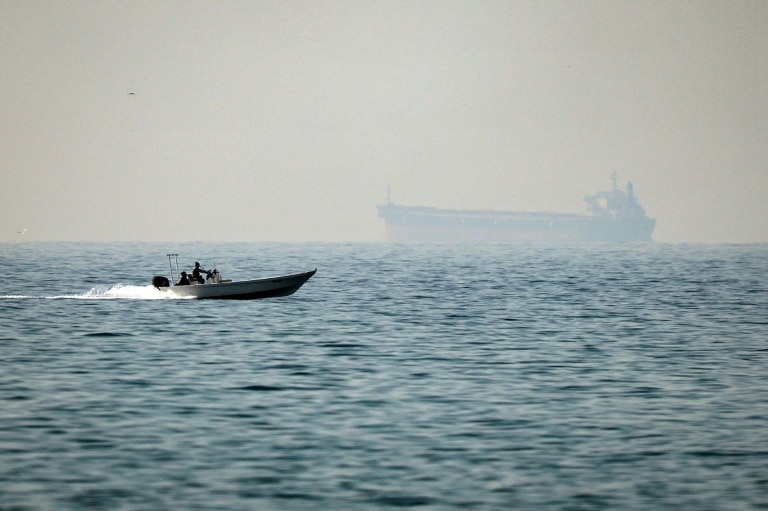
As the Middle East conflict enters its second month following the outbreak of open hostilities between Iran and a US-Israeli coalition, the Strait of Hormuz — one of the world’s most critical energy chokepoints — remains almost completely paralyzed, sending ripple effects across global energy markets. The crisis erupted on February 28, 2026, after the United States and Israel launched a sustained bombing campaign against Iranian targets, prompting Tehran to retaliate with cross-regional strikes and impose strict restrictions on commercial shipping access through the strait. In peacetime, this 21-mile waterway handles roughly 20 percent of the world’s total crude oil and liquefied natural gas (LNG) shipments, making any disruption a major threat to global energy security.