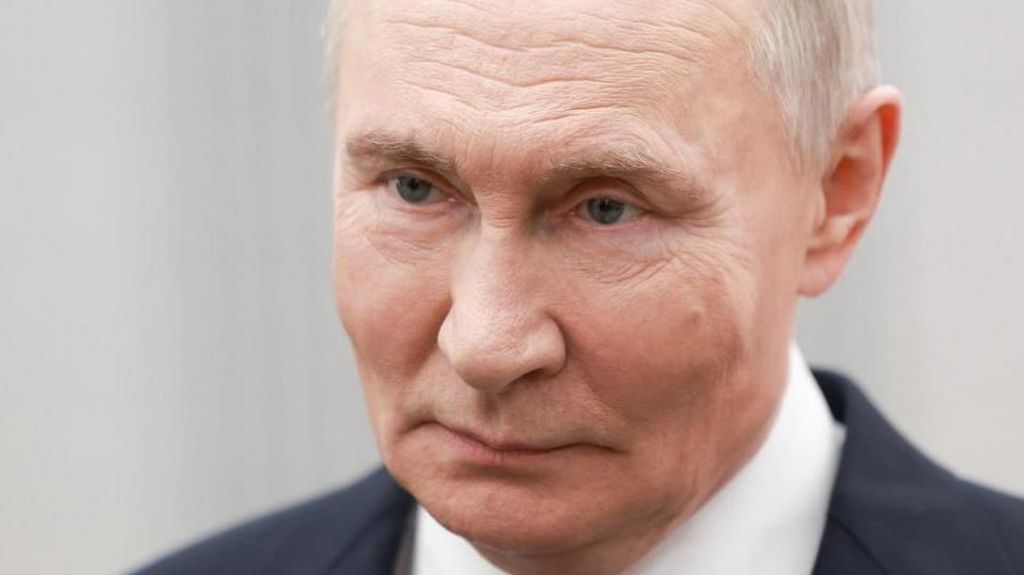
High-stakes diplomatic efforts to end the Ukraine conflict reached an impasse as US-Russia negotiations concluded without substantive progress. Ukrainian Foreign Minister Andrii Sybiha sharply criticized Vladimir Putin for “wasting the world’s time” following the unsuccessful talks, warning of consequences if Russia continues to “spit into the world’s face.”
The extensive five-hour meeting between Putin and US envoys Steve Witkoff and Jared Kushner at the Kremlin failed to bridge fundamental divides. Kremlin adviser Yuri Ushakov confirmed “no compromise” had been achieved, though he acknowledged some US proposals appeared “more or less acceptable” pending further discussion.
Core disagreements remain entrenched, particularly regarding the status of Russian-occupied Ukrainian territories and future security guarantees. Ukraine and European allies maintain that NATO membership represents the most effective deterrent against future Russian aggression—a proposition both Moscow and the Trump administration explicitly reject.
Russia’s negotiating position appears strengthened by recent battlefield gains. Putin’s military commanders reported capturing the strategic city of Pokrovsk in eastern Ukraine, with Russian forces seizing approximately 701 square kilometers of territory in November alone, bringing total controlled Ukrainian territory to 19.3%.
As US-Russia relations show tentative warming, European nations are moving decisively toward energy independence. EU member states finalized an agreement to completely eliminate Russian gas imports by 2027, with European Commission President Ursula von der Leyen heralding “the dawn of a new era.”
Simultaneously, the EU proposed a €90 billion financial package for Ukraine, potentially funded through frozen Russian assets—a plan facing resistance from Belgium and the European Central Bank over legal concerns. The proposal would cover two-thirds of Ukraine’s financing needs through 2027 amid ongoing conflict.