Financial markets across Asia-Pacific plummeted while global oil benchmarks skyrocketed beyond $114 per barrel on Monday, as escalating military actions between the US-Israel coalition and Iran triggered severe supply disruption fears through the critical Strait of Hormuz.
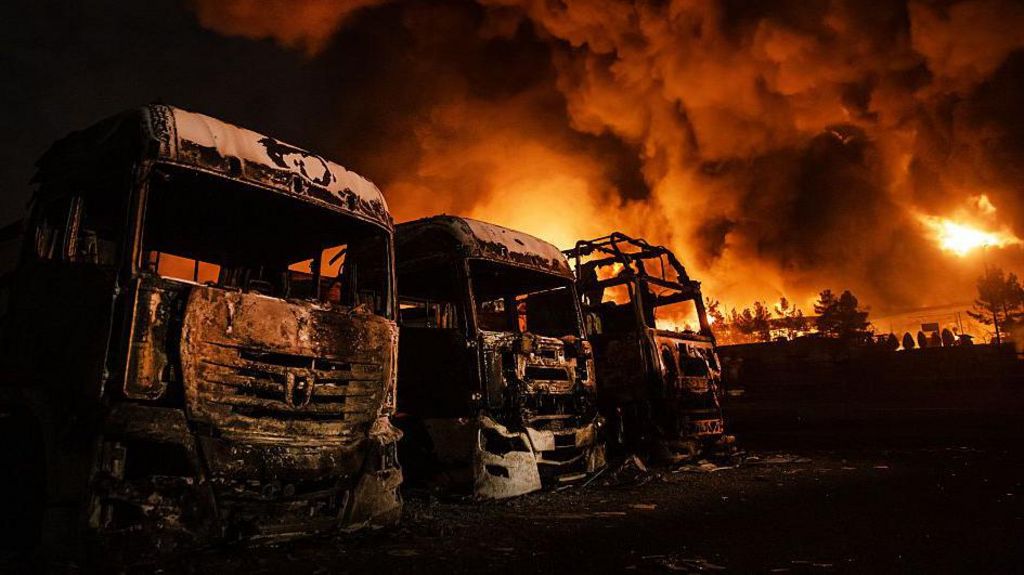
The weekend witnessed intensified airstrikes targeting Iranian energy infrastructure, including key oil depots, coinciding with Iran’s announcement of Mojtaba Khamenei as successor to his father Ali Khamenei as Supreme Leader—solidifying hardliner control amid the ongoing conflict.
Brent crude futures surged 24% to $114.74, while Nymex light sweet crude jumped over 26% to $114.78 during Asian trading hours. Equity markets mirrored the panic: Japan’s Nikkei 225 collapsed 7%, South Korea’s Kospi triggered circuit breakers after plunging 8%, while Hong Kong’s Hang Seng and Australia’s ASX 200 dropped over 3% and 4% respectively.
The crisis stems from the effective closure of the Strait of Hormuz—a maritime chokpoint typically handling 20% of global oil shipments—where transit has virtually ceased since hostilities commenced last week. Energy analysts now warn that prolonged disruption could drive prices toward historic highs exceeding $150 per barrel if the situation persists through March.
Adnan Mazarei of the Peterson Institute for International Economics noted, ‘Markets are realizing this conflict won’t resolve quickly. Production halts in Gulf states and escalating infrastructure damage suggest sustained supply constraints.’ The price surge is already radiating through energy derivatives, elevating jet fuel and fertilizer production costs globally.
While Asian nations consume most Gulf oil exports, early indications show redirected LNG tankers from the Atlantic toward Asia as buyers scramble for alternatives. US President Donald Trump defended the price increases as a ‘small price to pay’ for addressing Iran’s nuclear ambitions, though domestic pressure mounts over rising fuel costs.