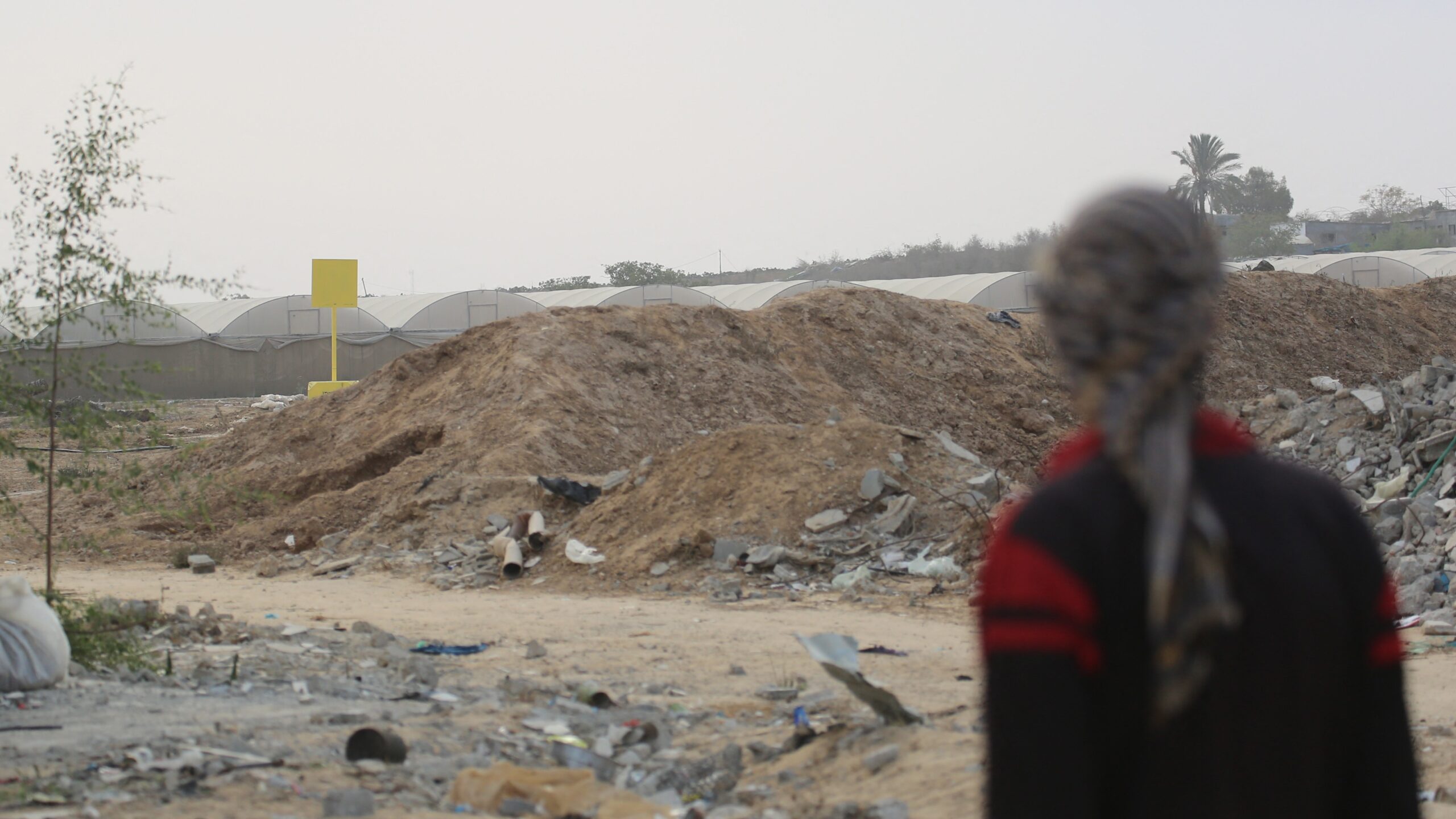
The BBC’s recent report from Gaza has ignited a firestorm of criticism across social media and among journalists, with accusations of biased framing and restricted access dominating the discourse. The article, titled ‘Inside Gaza, BBC sees total devastation after two years of war,’ featured Middle East correspondent Lucy Williamson, who was granted limited access to the enclave under the supervision of the Israeli military. The report acknowledged that the visit was tightly controlled, with no interaction allowed with Palestinians or access to other parts of Gaza. It also revealed that the Israeli military reviewed the material before publication, though the BBC maintained editorial control throughout. Critics argue that the report’s framing of the conflict as the ‘Gaza War’ rather than a genocide, as recognized by the United Nations, reflects a pro-Israel bias. The UN has documented over 70,000 Palestinian deaths in the ongoing assault. Journalist Richard Sanders led the charge with a scathing critique on X, highlighting the report’s reliance on unchallenged ‘Israel says’ statements and its failure to address the systematic destruction of Gaza. Other media analysts echoed these concerns, pointing to a broader issue in Western media’s coverage of the conflict. Social media users further condemned the BBC for its handling of a leaked video showing the rape of a Palestinian boy in an Israeli prison, accusing the outlet of sanitizing the story by focusing on the video leak rather than the crime itself. The Centre for Media Monitoring compared the BBC’s headline to that of Middle East Eye, which explicitly named the ‘Palestinian prisoner rape scandal,’ highlighting the BBC’s erasure of context. UN special rapporteur Francesca Albanese and British actor John Cleese also joined the chorus of criticism, with Cleese stating he no longer trusts BBC News. The backlash underscores growing frustration with the BBC’s perceived complicity in distorting the realities of the Gaza conflict.