The US State Department’s internal watchdog has formally acknowledged a congressional request to investigate senior Trump administration officials for their roles in advocating sensitive technology transfers to the United Arab Emirates. Democratic Senator Elizabeth Warren and Congresswoman Elise Slotkin initially demanded the probe in September, specifically targeting David Sacks, who served as White House AI Czar, and diplomatic envoy Steve Witkoff.
According to a December 12 letter obtained by Semafor, the Office of the Inspector General noted the lawmakers’ request to examine whether these officials improperly promoted the sale of advanced AI chips to the UAE. The correspondence, described as a standard acknowledgment, did not commit to launching a formal investigation.
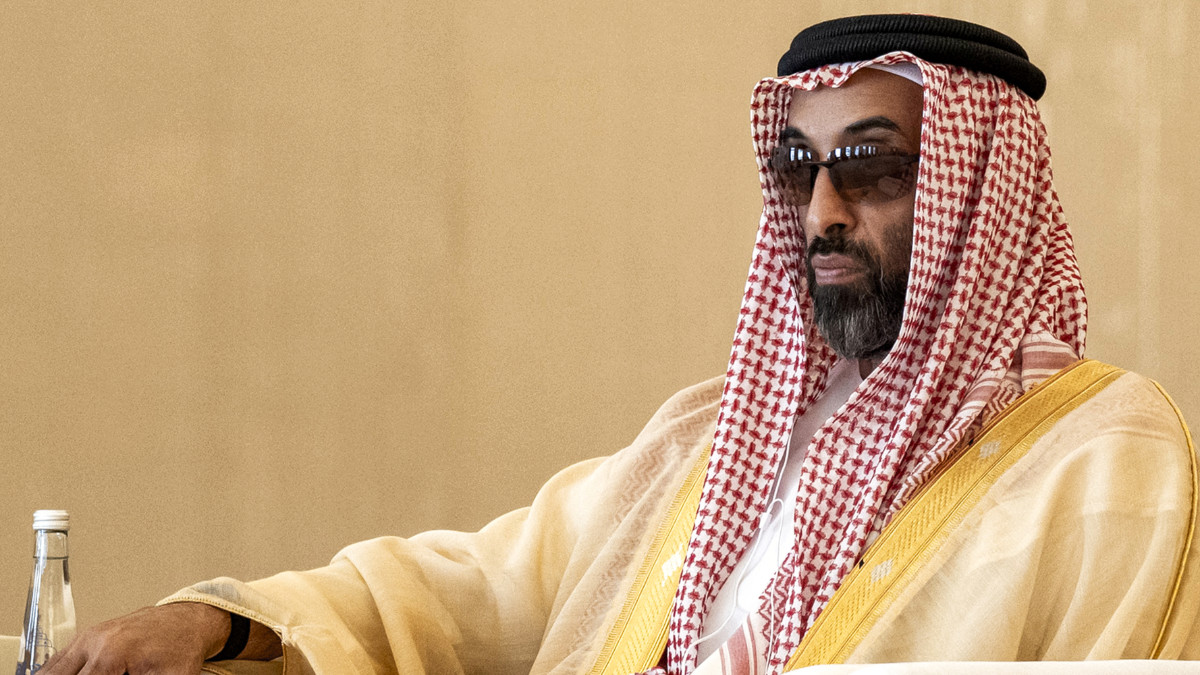
The controversy stems from a New York Times report detailing a summer meeting between Witkoff and UAE National Security Adviser Sheikh Tahnoon bin Zayed Al Nahyan off the coast of Sardinia. During this period, Witkoff reportedly advocated for AI chip sales while his son’s cryptocurrency firm, World Liberty Financial, received a $2 billion deposit from one of Tahnoon’s companies. Neither official disclosed their financial connections to the UAE royal.
Sacks emerged as the primary advocate for selling advanced AI technology to both the UAE and Saudi Arabia. The Times investigation revealed that Abu Dhabi’s wealth fund was an early investor in Craft Ventures, a firm Sacks co-founded in 2017, with additional funding from Saudi Arabia’s Public Investment Fund.
In November, the Trump administration approved the export of tens of thousands of Nvidia’s advanced AI chips to G42 (the UAE’s state-owned AI company) and its Saudi counterpart, Humain. This decision contrasted sharply with the Biden administration’s stricter export controls, which had previously limited such transfers due to national security concerns about dual-use technology and potential diversion to China.
The administration’s approach reflects a broader policy prioritizing technology exports to the Gulf region, which offers substantial markets with plentiful land and cheap electricity for AI data centers. Notably, the White House recently approved the sale of Nvidia’s H200 chips to China with a 25% government fee, despite these chips being less sophisticated than the Blackwell models authorized for Gulf allies.
On Monday, Warren and Congressman Gregory Meeks further demanded full transparency regarding any ongoing license reviews for technology sales to China, highlighting continuing concerns about the administration’s export approval process.