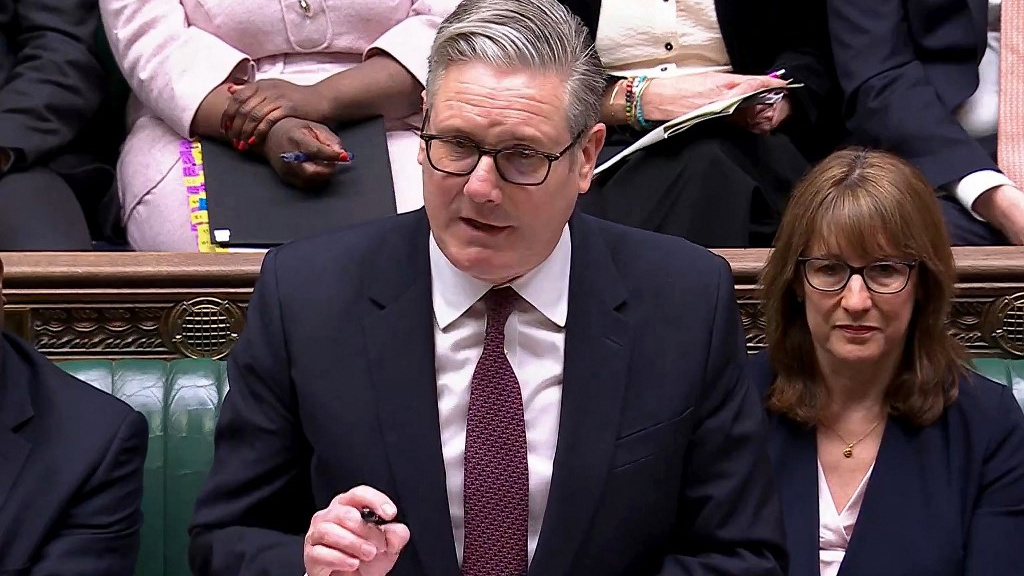
British Prime Minister Keir Starmer has publicly reaffirmed the United Kingdom’s institutional support for the International Criminal Court while carefully avoiding commentary on internal proceedings concerning Chief Prosecutor Karim Khan. The declaration came during Wednesday’s parliamentary session when Independent Alliance MP Iqbal Mohamed questioned the prime minister about recent Middle East Eye reports revealing divisions within the ICC’s governing body.
According to exclusive MEE reporting, a judicial panel comprising three senior judges has exonerated Khan of misconduct allegations following a United Nations investigation into sexual misconduct complaints. Despite this clearance, a minority faction within the 21-member bureau of the Assembly of State Parties—the court’s executive governing body—reportedly seeks to disregard the judicial findings, creating significant institutional tension.
The situation emerges against a backdrop of intense political pressure on the ICC regarding its investigation into Israeli officials. Previous reporting indicates that the UK’s former Conservative government, through then-Foreign Secretary David Cameron, allegedly threatened to defund the court and withdraw from the Rome Statute should it pursue arrest warrants against Israeli leaders. Khan formally documented these threats in a December submission to the ICC.
Pressure on Khan escalated notably during key periods: in April 2024 as he prepared warrants for Israeli Prime Minister Benjamin Netanyahu and Defense Minister Yoav Gallant, and again in October 2024 preceding the formal issuance of warrants. The prosecutor faced multiple forms of intimidation including sanctions from the Trump administration, security concerns prompted by alleged Mossad presence in The Hague, and coordinated media leaks regarding misconduct allegations.
Legal experts warn that political interference in judicial matters could severely undermine the ICC’s credibility. International law specialists emphasize that the bureau’s potential disregard of the unanimous judicial findings—despite having appointed the panel itself—would establish a dangerous precedent prioritizing political interests over judicial independence.
The bureau currently faces a complex decision-making process with strict timelines: 30 days for preliminary assessment following the March 9 report delivery, another 30 days for Khan’s response, and a final 30-day period for conclusive determination. With two meetings already conducted without consensus, the outcome remains uncertain as diplomatic maneuvering continues behind closed doors.