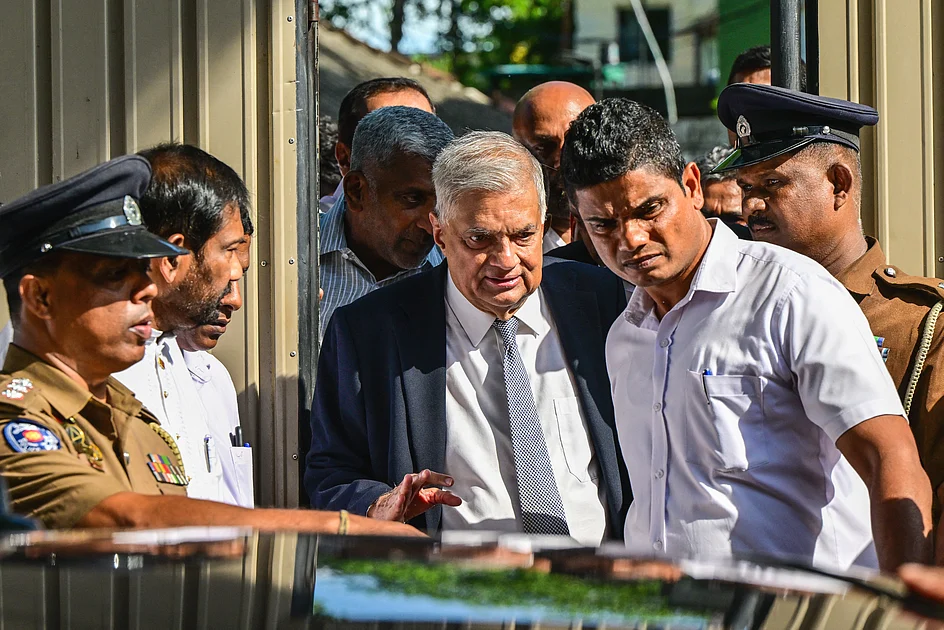
Sri Lanka is making significant strides in its battle against corruption, targeting some of the nation’s most influential figures. The campaign, which gained momentum after the economic collapse of 2022, has seen former President Gotabaya Rajapaksa, ex-ministers, and top officials from the police, prisons, and immigration departments face legal scrutiny. The Commission to Investigate Allegations of Bribery or Corruption (CIABOC), led by Ranga Dissanayake, has been granted extensive powers to recover stolen assets, even without criminal convictions. Although official data on state corruption losses is unavailable, activists estimate the figure to be in the billions of dollars over several decades. The International Monetary Fund (IMF) has emphasized the urgency of anti-graft measures, urging accelerated recruitment to CIABOC. President Anura Kumara Dissanayake has made tackling corruption a cornerstone of his administration, addressing systemic delays in justice and the misuse of power. Public outrage over shortages of essential goods in 2022 led to widespread protests and the ousting of then-President Gotabaya Rajapaksa. Despite a $2.9 billion IMF bailout secured by his successor, Ranil Wickremesinghe, the latter was arrested in August for allegedly misusing state funds. Sri Lanka’s ranking of 121 out of 180 in Transparency International’s 2024 Global Corruption Index underscores the severity of the issue. The Rajapaksa family, once untouchable, is now under intense pressure, with several members facing legal consequences. The nation’s economic collapse, marked by inflation nearing 70% and a mass exodus of citizens, has been attributed to rampant corruption. As Sri Lanka seeks to rebuild, the anti-corruption drive represents a pivotal moment in its governance.