The Pentagon has released footage documenting the precise moment a US submarine-launched torpedo struck and sank the Iranian frigate Iris Dena in the Indian Ocean. The attack, occurring approximately 44 nautical miles off the southern coast of Sri Lanka, resulted in the deaths of at least 87 Iranian crew members, with 32 survivors receiving treatment for serious injuries in a Galle hospital. Search operations continue for missing personnel.
This naval engagement, described by US Defense Secretary Pete Hegseth as a demonstration of American military prowess and the first such torpedo sinking of an enemy vessel since World War II, marks a significant escalation in the widening Middle East conflict. Iranian Foreign Minister Abbas Araghchi condemned the act as an ‘atrocity at sea’ and vowed the US would ‘bitterly regret’ its actions.
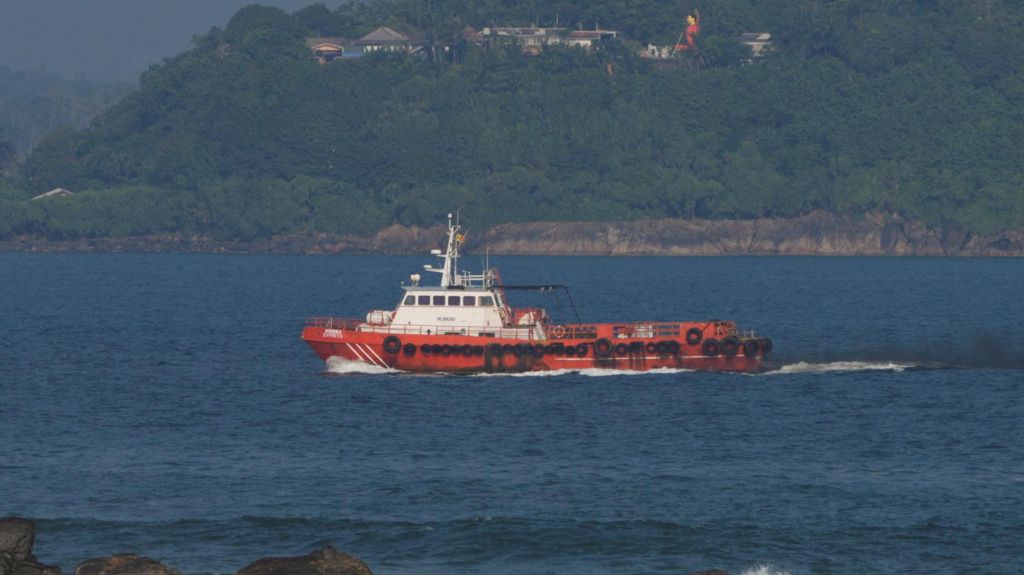
In a subsequent and diplomatically complex development, a second Iranian naval vessel, the Irins Bushehr, requested emergency docking at a Sri Lankan port citing a malfunctioning engine. After hours of deliberation, Sri Lankan President Anura Kumara Dissanayake authorized the vessel to dock at the port of Trincomalee in the northeast, deliberately avoiding the major commercial hub of Colombo to mitigate potential adverse impacts on the country’s maritime industry.
The crew of 208 from the Irins Bushehr, comprising officers and sailors, are to be evacuated and brought to Colombo. President Dissanayake framed the decision as a demonstration of Sri Lanka’s commitment to humanitarian values and international conventions, stating the nation would ‘never hesitate to protect humanity’ while steadfastly safeguarding its neutrality. This incident places Sri Lanka, a nation with strong economic ties to both Iran and the US, squarely in the middle of the escalating conflict. The country, a longstanding adherent to a non-aligned policy since 1948, continues to stress its impartiality amidst the US-Israeli military campaign against Iran.