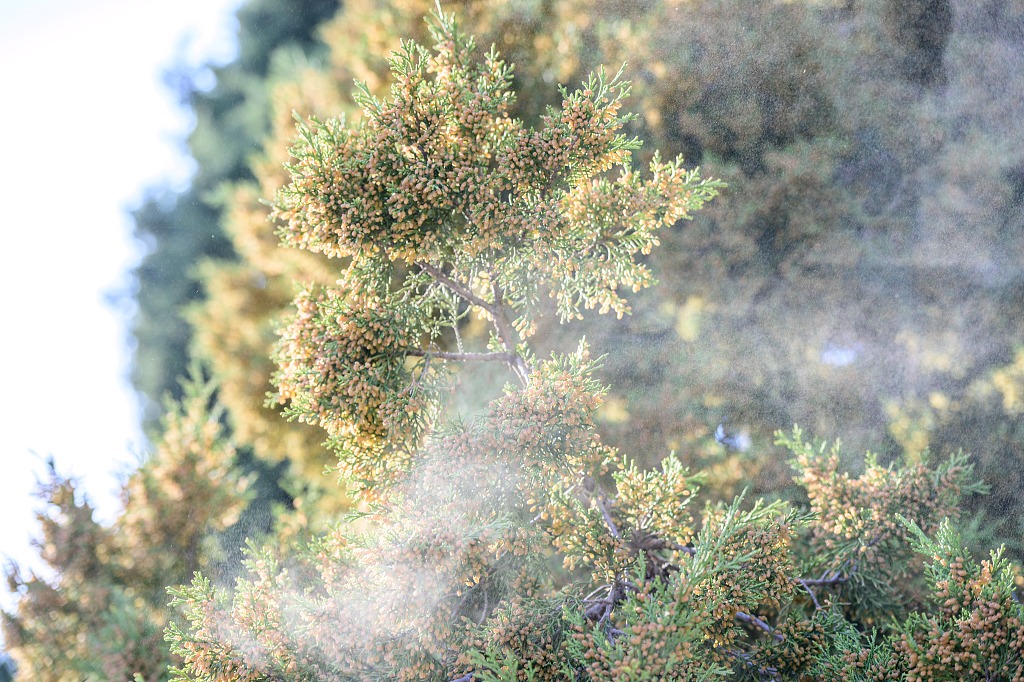
China’s healthcare system is experiencing a significant surge in demand for allergy treatments as the nation enters the peak spring pollen season. Medical facilities nationwide are reporting unprecedented numbers of patients seeking relief from seasonal allergic rhinitis, with particular emphasis on advanced treatments for moderate-to-severe cases.
A breakthrough in allergy management has emerged through Stapokibart, a novel biological agent therapy that has transformed treatment paradigms since its approval in 2025. This innovative medication, specifically developed for seasonal allergic rhinitis, has already provided relief to over 20,000 patients across China. The therapy’s recent inclusion in the national medical insurance program in early 2026 has dramatically reduced financial barriers, making cutting-edge treatment accessible to a broader population.
Medical authorities highlight Stapokibart’s exceptional clinical profile. According to Dr. Wang Chengshuo, Vice-President of Beijing Tongren Hospital, the biologic demonstrates superior efficacy compared to traditional combination therapies using intranasal glucocorticoids and oral antihistamines, while maintaining an excellent safety record. The treatment requires only three subcutaneous injections per pollen season, with out-of-pocket costs reduced from 1,039 yuan to approximately 200 yuan per dose for insured patients.
Healthcare institutions are implementing strategic adjustments to manage the seasonal influx. Beijing Tongren Hospital has expanded its weekly appointment capacity by 600-800 slots, introduced fast-track services, and established specialized evening rhinology clinics to accommodate working patients.
Market analytics from Dingdang Health confirm the escalating demand, showing a 60.4% week-over-week increase in allergy medication sales nationwide, with Beijing leading at 89.5% growth. Online medical consultations regarding allergy symptoms have similarly surged.
The epidemiological landscape reveals a concerning trend: adult prevalence of allergic rhinitis has risen from 11.1% in 2005 to 18% in 2025, affecting approximately 250 million Chinese citizens. Medical experts note that severe cases significantly impair daily functioning, including work performance, academic achievement, and sleep quality.
Dr. Jin Xingji, Deputy Chief Physician in Dermatology, emphasizes the psychological dimension of allergy management, noting that fatigue and stress during pollen season can exacerbate allergic reactions. Maintaining emotional stability and overall health remains crucial for immune system balance.
While Stapokibart represents a major advancement, medical professionals recommend it primarily for patients whose symptoms severely impact daily life and show inadequate response to standard treatments after one to two weeks of therapy.