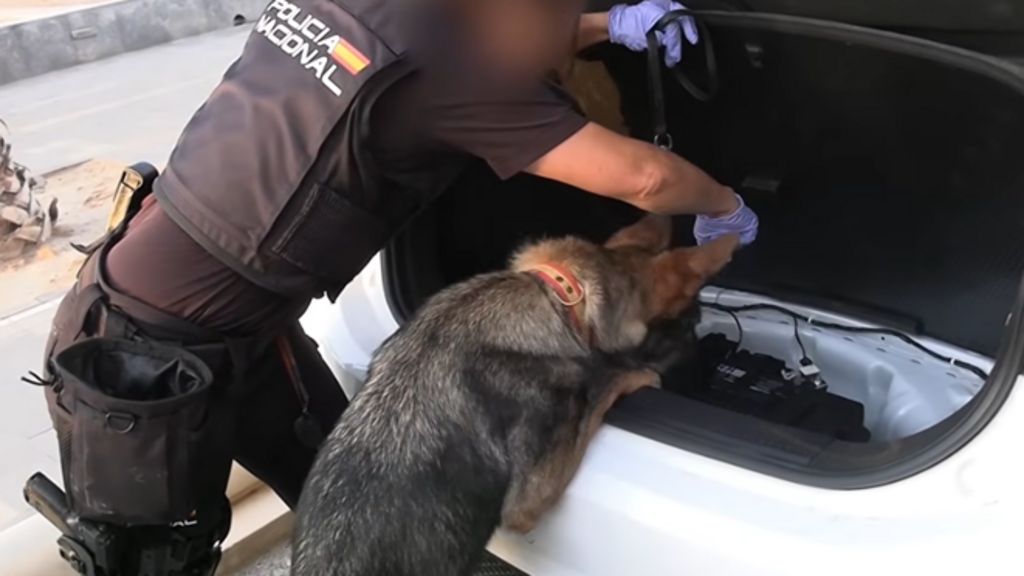
A sprawling criminal organisation responsible for large-scale drug and human trafficking across the western Mediterranean has been taken down by international law enforcement authorities, following a months-long coordinated investigation. The European Union’s law enforcement agency Europol announced that 78 suspects have been taken into custody during simultaneous raids carried out in both Spain and Algeria, with the criminal network linked to a wide range of additional illicit activity ranging from violent armed robbery and extortion to unlawful detainment and global money laundering operations.
Unlike typical one-way smuggling rings, this enterprise developed a unique dual-trafficking model designed to maximise illegal profits, moving synthetic narcotics from Spain and Portugal into Algeria on outbound journeys, then using the same return routes to smuggle undocumented migrants and illegal weapons into mainland Spain and the popular tourist island of Ibiza. All cross-border maritime operations were carried out using unregistered, undetectable “ghost speedboats”, a class of high-powered watercraft banned under Spanish maritime law.
In total, law enforcement teams seized 18 high-speed vessels with an estimated total value of €5 million (£4.2 million), an arsenal of unregistered firearms, more than €25,000 (£21,400) in untraceable cash, and over 15,000 MDMA pills. Additional seized items included satellite communication phones, GPS navigation devices, encrypted messaging tools and satellite communication dishes, all used by the network to avoid detection by border authorities.
The operation was led by Spain’s national police force, which executed search warrants at 17 different locations across the country, spanning coastal regions including Alicante, Almería, Cartagena and Murcia. Europol officials detailed that the organisation began as a small drug trafficking ring before expanding into the dual-flow enterprise. On northbound routes from Algeria to Spain, the group charged as much as €12,000 (£10,200) per person to smuggle migrants, with a single voyage sometimes carrying more than 50 people at once. Europol estimates that the network generated more than €24 million (£20 million) in profit from migrant smuggling alone, and also offered smuggling coordination services to other organised crime groups moving illicit goods and people across the Western Mediterranean.
Investigation records show the network ran multi-directional trafficking routes beyond the core Spain-Algeria corridor: synthetic drugs and occasionally migrants were moved from France and Spain into Algeria, while cannabis resin, weapons and additional migrants were transported north from Algeria to Spain. All transfers were coordinated in international waters just off the Spanish coast: after cargo or migrants were transferred at sea, land-based network cells handled overland transport to final destinations.
The conditions the network forced migrants to endure were found to be inhumane and extremely dangerous. Migrants were packed into overcrowded vessels with no navigation lighting or life jackets, and often made crossings in severe, dangerous weather conditions. After arriving in Spain, suspects held migrants in unregulated makeshift housing, where investigators documented multiple cases of sexual assault, physical abuse and degrading treatment.
Most of the arrested suspects are of Algerian origin, and investigators have confirmed the network maintained operational connections to other organised crime groups based in France, Belgium, Portugal, Italy and Poland.
The announcement of the network’s dismantling comes just one week after a major mass migration incident at Spain’s North African exclave of Ceuta, when roughly 78,000 migrants crossed into the territory following false online rumours that the border with Morocco would be opened temporarily. While most of the migrants have since returned to Morocco, Ceuta’s regional leader Juan Jesús Vivas confirmed that between 3,000 and 5,000 people remain in the territory, intensifying longstanding concerns over people smuggling operations in the western Mediterranean region.