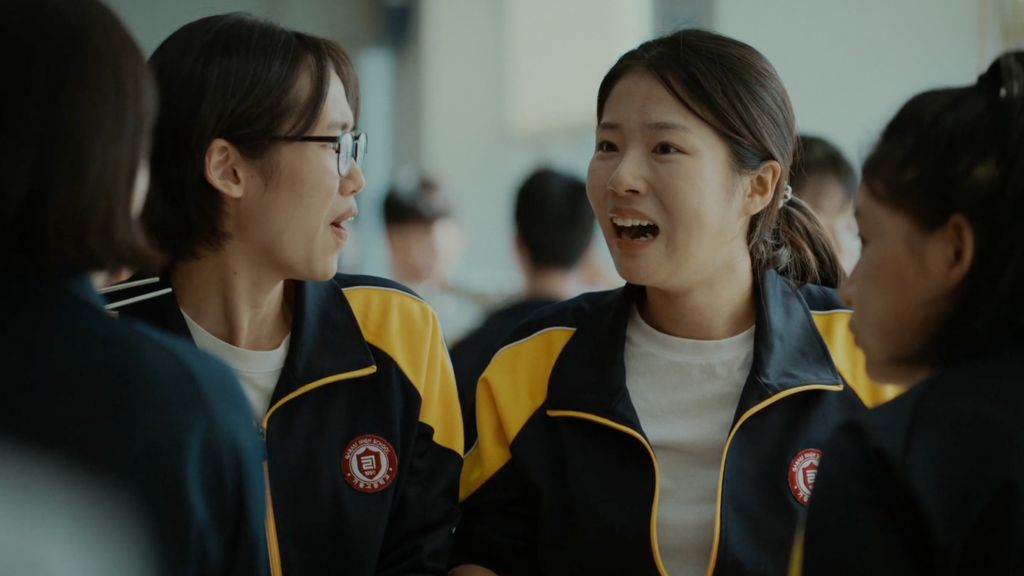
South Korean indie filmmaker Yoon Ga-eun has unexpectedly captured the nation’s cinematic consciousness with her groundbreaking film ‘The World of Love,’ emerging as an unexpected box office phenomenon and cultural touchstone. The film, which has been hailed as “movie of the year” by Korean media, presents a revolutionary approach to portraying sexual violence survivors through the lens of everyday life rather than trauma recreation.
The narrative centers on Joo-in, a high school student navigating typical adolescent experiences—school dynamics, romantic relationships, and family interactions—while carrying the secret of childhood sexual assault by a relative. The film’s tension emerges not from graphic depictions of violence but from Joo-in’s refusal to sign a petition containing the statement: “Sexual violence leaves deep wounds that never heal and completely destroys a person’s life and soul.”
Yoon’s directorial approach deliberately avoids labeling her protagonist, instead focusing on Joo-in’s assertion that her trauma, while significant, does not define her entire identity. The filmmaker personally handwrote letters to journalists requesting they avoid mentioning sexual violence in their coverage, emphasizing her commitment to reframing the narrative around survivors.
The film has achieved remarkable commercial success, grossing over $1.1 million since its October release and earning a 9/10 rating on Naver, South Korea’s largest search portal. It has become the highest-grossing indie film of 2025 in South Korea, with acclaim from industry luminaries including Bong Joon-ho, director of ‘Parasite,’ who declared himself the “head of the Seoul branch of Yoon Ga-eun’s fan club.”
Beyond its artistic achievements, ‘The World of Love’ has sparked crucial conversations in South Korea’s patriarchal society about how survivors are perceived and treated. According to Cho Eunhee, director of Korea Sexual Violence Relief Center, the film arrives at an “incredibly right” cultural moment, building on the foundation of the 2017-2018 MeToo movement while creating space for discussing previously taboo subjects like familial abuse.
Audience responses have been profoundly emotional, with viewers reporting transformative cinema experiences. One children’s book editor described leaving the theater determined to become “a good adult who can stand beside all the children and teenagers who are trying so hard to grow up.” A survivor expressed feeling empowered, as if Joo-in was telling her, “I am living well, so let’s keep living well together.”
While some critics and survivors have noted the film may downplay the lasting damage of abuse and present idealized family support systems, film critic Min Youngjun emphasizes that the film’s true value lies in creating “a healthy space for talking about sexual violence and its victims.” The film demonstrates that meaningful dialogue emerges not from universal approval but from creating platforms for essential conversations about complex social issues.