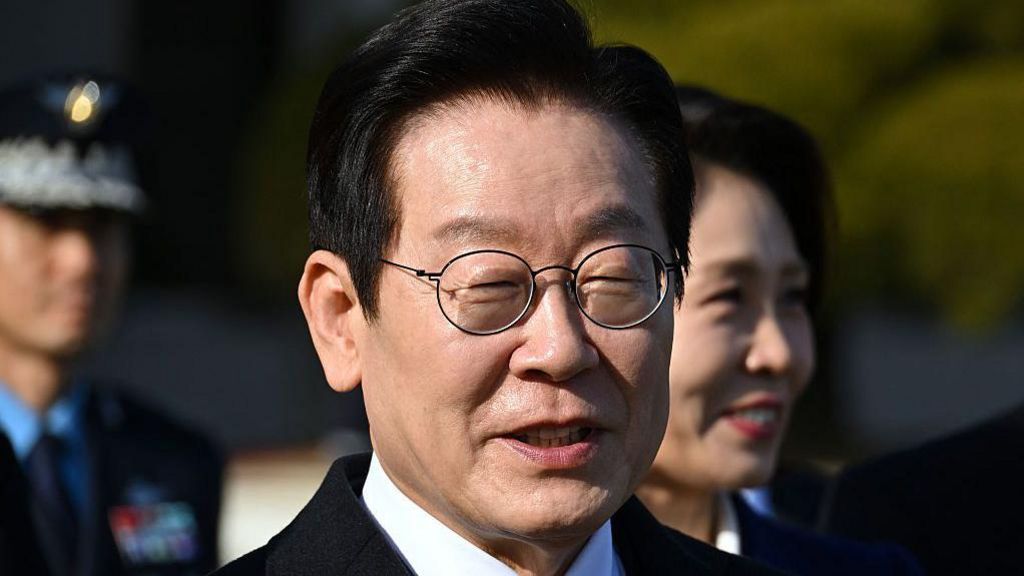
South Korean President Lee Jae Myung embarked on a crucial diplomatic mission to Beijing, meeting with Chinese leader Xi Jinping in a bid to recalibrate strained relations between the two nations. The Monday summit—their second since November—addressed critical issues including regional security concerns, China’s unofficial restrictions on Korean cultural exports, and economic cooperation between Seoul and its largest trading partner.
The timing of President Lee’s visit carries substantial geopolitical significance amid escalating tensions between China and Japan over Taiwan. This diplomatic friction places South Korea—a key U.S. ally in the region—in a delicate position. Professor Park Seung-chan of Yongin University noted that China’s eagerness to host President Lee reflects Beijing’s search for regional allies, with clear expectations for Seoul to align against Japan.
During his three-day visit, President Lee engaged in multiple high-level meetings, including a banquet hosted by Xi Jinping and discussions with Premier Li Qiang and National People’s Congress Chairman Zhao Leji. In remarks to Korean residents in Beijing, Lee characterized his visit as “a new starting point to fill in the gaps in Korea-China relations, restore them to normal and upgrade them to a new level.”
The relationship had deteriorated under Lee’s predecessor, Yoon Suk Yeol, making this the first visit by a South Korean leader since 2019. Current discussions extend beyond bilateral ties to include security concerns on the Korean Peninsula, where Beijing’s influence over North Korea remains crucial. Despite Lee’s diplomatic outreach to Pyongyang, progress has been limited, heightening the importance of Chinese cooperation in denuclearization efforts.
Additional agenda items included China’s maritime construction activities in disputed waters—which Beijing describes as fish-farming equipment but Seoul views as security threats—and the longstanding unofficial restrictions on Korean cultural content in China. These entertainment industry barriers, believed to be retaliation for South Korea’s 2016 deployment of a U.S. anti-missile system, have significantly impacted one of Korea’s most successful export sectors.
The diplomatic balancing act continues as President Lee prepares for an anticipated visit to Japan later this month, demonstrating Seoul’s careful navigation between major powers in a region increasingly marked by strategic competition.