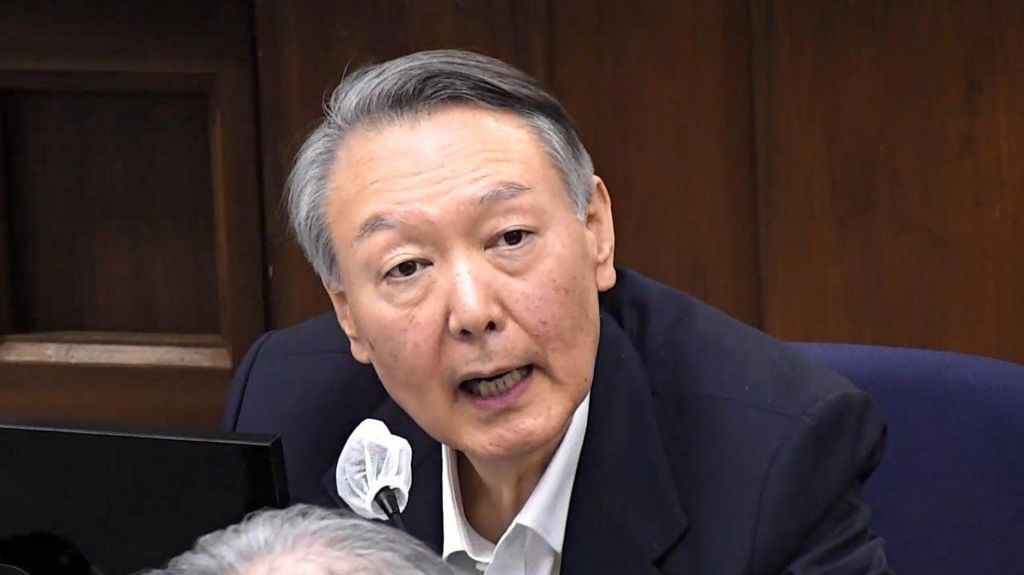
In a landmark judicial ruling, former South Korean President Yoon Suk Yeol has been convicted on charges of abuse of power and document falsification related to his controversial 2024 martial law declaration. The Seoul Central District Court delivered the verdict while continuing deliberations on additional obstruction of justice charges for his alleged evasion of arrest.
This conviction represents the first judicial outcome in a series of four distinct trials stemming from Yoon’s abrupt martial law proclamation, which briefly plunged the nation into political chaos and triggered mass demonstrations. Although the emergency measures were swiftly overturned by parliamentary intervention, the episode created profound national division.
Prosecutors have recommended a decade-long prison sentence for these initial charges, with the court’s Friday decision providing critical indications about potential outcomes in Yoon’s remaining cases. The most severe allegation—insurrection—carries a potential death penalty, with that verdict anticipated next month.
Central to Friday’s proceedings was the examination of whether Yoon improperly deployed presidential security personnel to avoid arrest, failed to consult his full cabinet before implementing martial law, and orchestrated the creation and subsequent destruction of fabricated documents suggesting endorsement from the prime minister and defense minister.
The former leader has maintained his innocence across all proceedings, contending that the original arrest warrant lacked legal validity and that constitutional provisions didn’t require full cabinet consultation for emergency powers. His defense argues that investigators lacked proper jurisdiction from the outset and that the martial law declaration followed appropriate procedures.
Legal observers note that South Korean courts traditionally show leniency when defendants demonstrate remorse, but prosecutors emphasize Yoon’s persistent denial of wrongdoing as justification for enhanced punishment. The case evokes memories of former President Park Geun-hye’s 20-year sentence for corruption in 2021, though she received a presidential pardon shortly thereafter.
The convictions reactivate deep political fractures within South Korean society, where Yoon retains substantial support despite his impeachment. A December survey revealed nearly 30% of citizens disagreed that his martial law attempt constituted insurrection, reflecting persistent national divisions that previously manifested in competing street demonstrations between supporters and opponents.
As the judicial process continues, approximately 100 pro-Yoon demonstrators assembled outside the Seoul courthouse during Friday’s proceedings, underscoring the ongoing political polarization surrounding the case.