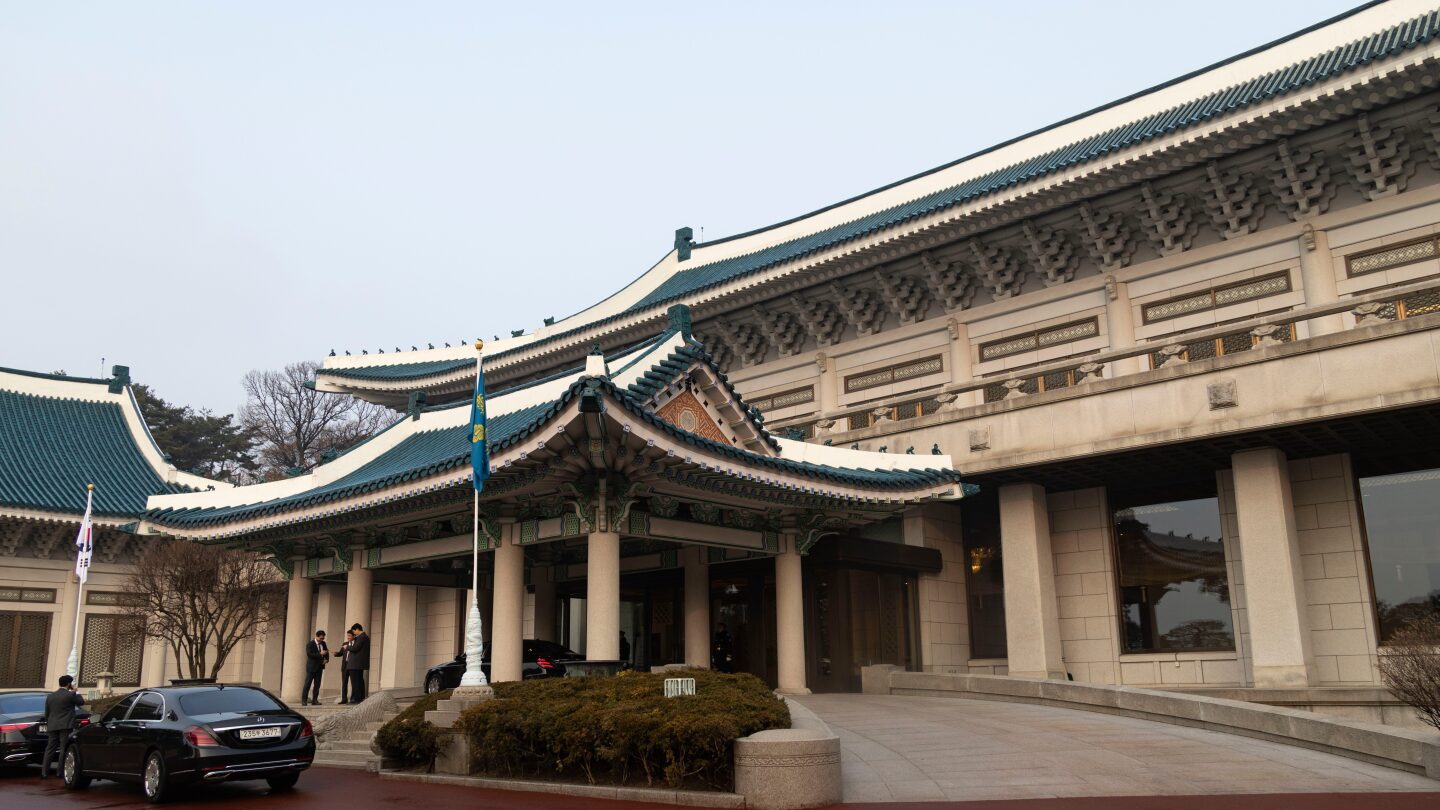
In a significant symbolic move, South Korean President Lee Jae Myung commenced his official duties at the historic Cheong Wa Dae presidential palace on Monday, restoring the traditional seat of executive power more than three years after his predecessor relocated the presidency. This transition marks the first time since May 2022 that a South Korean leader has operated from the iconic Blue House complex, reversing a controversial decision made by former President Yoon Suk Yeol.
The restoration ceremony featured the midnight raising of the presidential flag adorned with twin phoenixes at the compound gates, followed by ceremonial honors from guards as President Lee’s motorcade entered the premises. Supporters gathered outside, waving national flags and chanting the president’s name in celebration of the administrative homecoming.
The return to Cheong Wa Dae follows weeks of meticulous relocation efforts by Lee’s administration, who assumed office in June after winning a snap election triggered by Yoon’s dramatic ousting. The previous president had justified his $40 million move to the Defense Ministry compound in central Seoul as a democratic gesture to make the presidency more accessible, though critics questioned the substantial security concerns and expenditures involved.
Yoon’s presidency ended abruptly following December 2024’s constitutional crisis, when his brief declaration of martial law during a political standoff with the liberal-controlled legislature prompted swift impeachment proceedings. The Constitutional Court removed him from power in April, leading to his subsequent arrest on serious charges including rebellion, which carries potential life imprisonment or capital punishment.
President Lee’s office confirmed he will continue commuting from the current presidential residence until living quarters are fully restored at the Blue House, with the complete relocation timeline yet to be specified. The administration released footage of the president conducting a tea meeting with senior aides within the historic complex, signaling a new chapter in South Korea’s political narrative.