South Korea’s National Assembly has enacted landmark legislation authorizing substantial punitive damages against media outlets found to disseminate false or fabricated information. The contentious bill, spearheaded by the ruling Democratic Party, cleared parliament on Wednesday with an overwhelming majority of 170-3, though the vote was marked by a boycott from conservative opposition lawmakers.
The legislation empowers courts to impose damages up to five times the proven financial losses against traditional news organizations and major digital platforms, including large YouTube channels. For cases where quantifiable losses are difficult to establish, courts may award compensation of up to 50 million won (approximately $34,200). Additionally, the country’s media regulatory body gains authority to levy fines reaching 1 billion won ($684,000) against outlets repeatedly distributing court-confirmed false information.
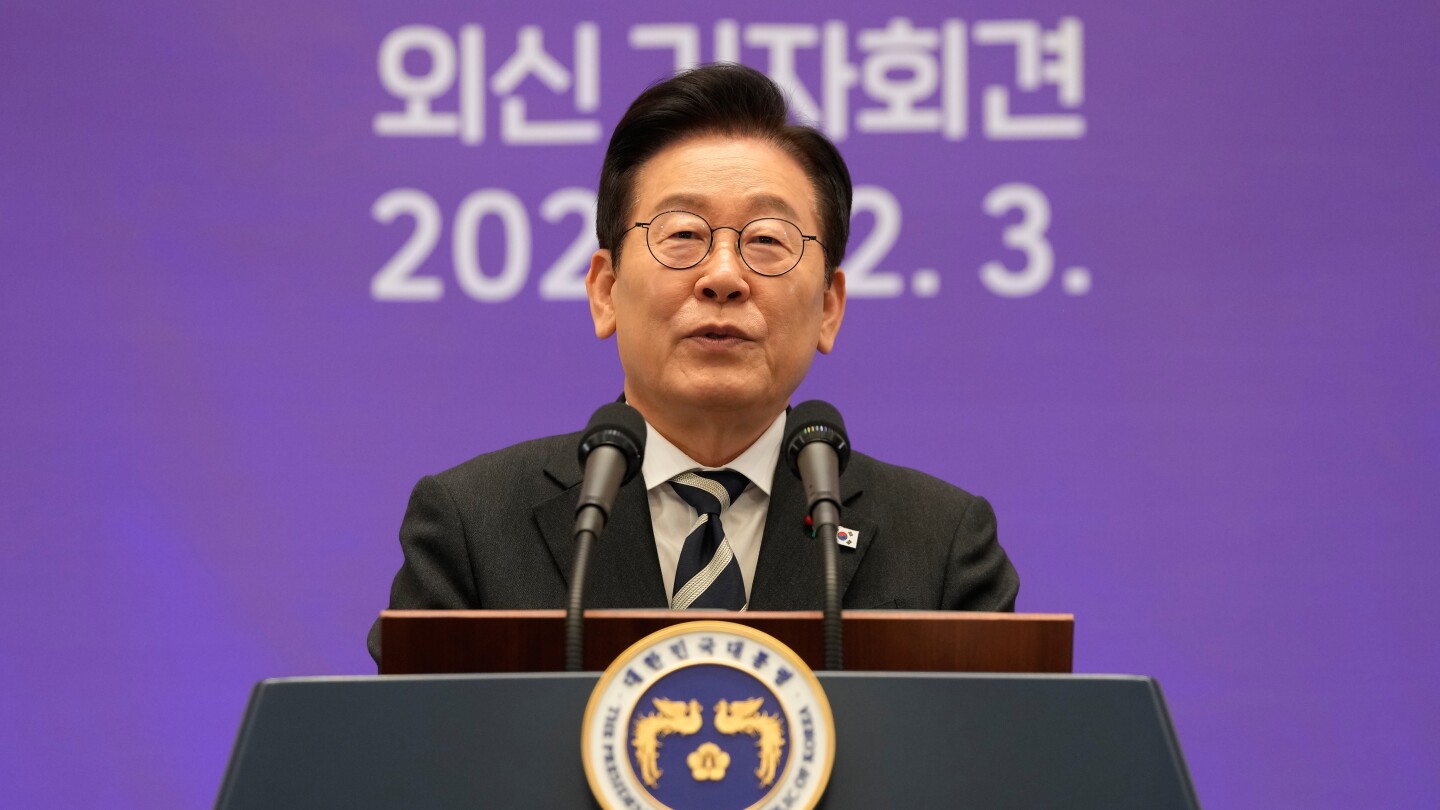
President Lee Jae Myung’s Democratic Party, which had previously failed to advance similar measures under prior administrations, contends the law addresses escalating concerns about disinformation campaigns that allegedly undermine democratic processes by propagating division and hate speech. Party spokesperson Park Soo-hyun emphasized that the legislation specifically targets “malicious and deliberate dissemination of false information” while exempting satire, parody, and legitimate criticism conducted in the public interest.
The legislative process encountered significant resistance, including a 24-hour filibuster by People Power Party lawmakers who argued the bill’s vague terminology regarding “inaccurate information” could enable broad interpretation and potentially suppress critical reporting. Journalist associations and civil liberties advocates have urgently petitioned President Lee to exercise his veto power, warning that the ambiguous provisions might discourage scrutiny of public officials, politicians, and corporate entities.
The National Union of Media Workers has called for meticulous clarification in the law’s implementing ordinances to prevent potential infringement on press freedom and expression rights, expressing concern that the legislation could facilitate weaponized litigation against legitimate media oversight.