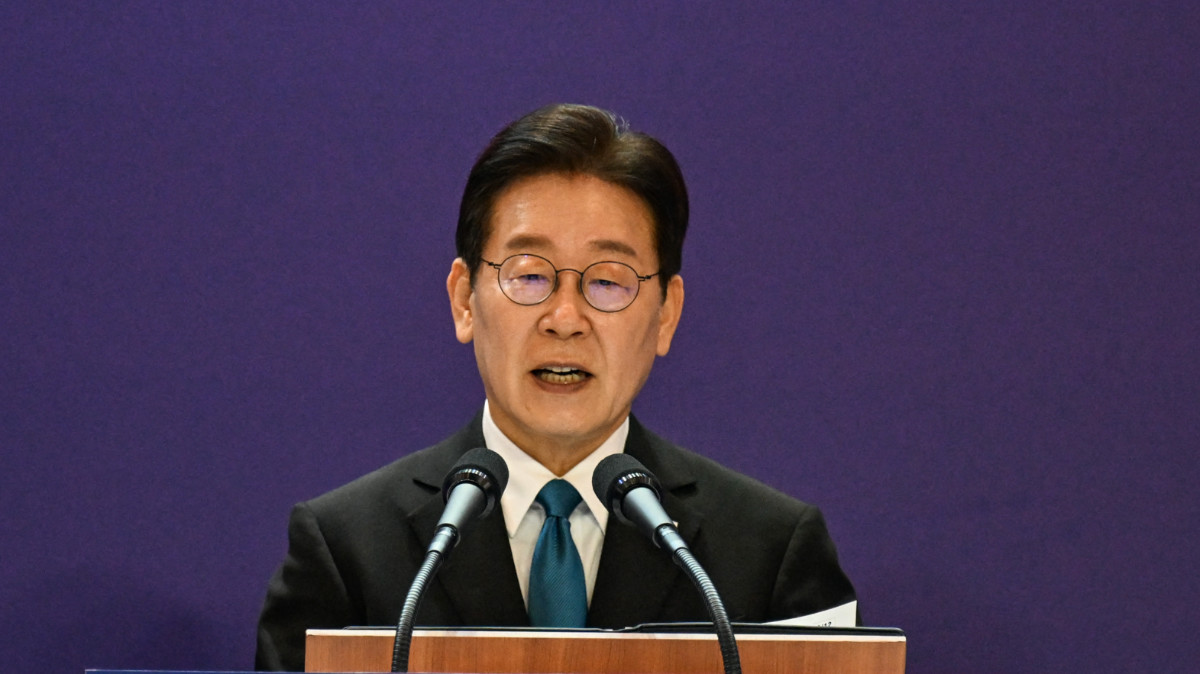
South Korean President Lee Jae Myung has publicly acknowledged that the United States intends to reposition air defense assets from the Korean Peninsula to the Middle East, marking a significant shift in regional security priorities. During a cabinet meeting on Tuesday, President Lee expressed opposition to the withdrawal of these systems but conceded that Seoul’s ability to prevent the move remains limited.
This development represents the first official confirmation that Washington is reallocating vital missile defense capabilities from East Asia to address escalating tensions with Iran. According to initial reports by The Washington Post, the Pentagon is specifically relocating components of a Terminal High Altitude Area Defense (THAAD) system from South Korea.
The strategic repositioning occurs despite South Korea’s status as a key U.S. ally facing ongoing threats from nuclear-armed North Korea. The two nations maintain substantial economic ties, with South Korea ranking as America’s sixth-largest trading partner—economic relations that far surpass U.S. commercial links with Israel, Turkey, or Gulf states.
This marks not the first instance of the U.S. diverting defensive resources in response to Iranian missile capabilities. Turkey recently confirmed additional Patriot battery deployments to Malatya province following Iranian missile attacks. Middle East Eye reported these systems were transferred from NATO’s Ramstein base in Germany, with analysts suggesting Iranian missiles may have been testing Turkish air defenses near critical NATO radar installations.
The redistribution underscores increasing strain on U.S. military resources as Middle Eastern partners request additional air defense interceptors. Some Gulf analysts have begun questioning the effectiveness of U.S. military presence in the region despite ongoing attacks from Iran.
This strategic reallocation presents a paradox given the Trump administration’s previous commitments to disengage from Middle Eastern conflicts. The move also contrasts with defense policy recommendations from officials like Under Secretary Eldridge Colby, who advocated for reducing Middle East commitments to better focus on strategic competition with China.