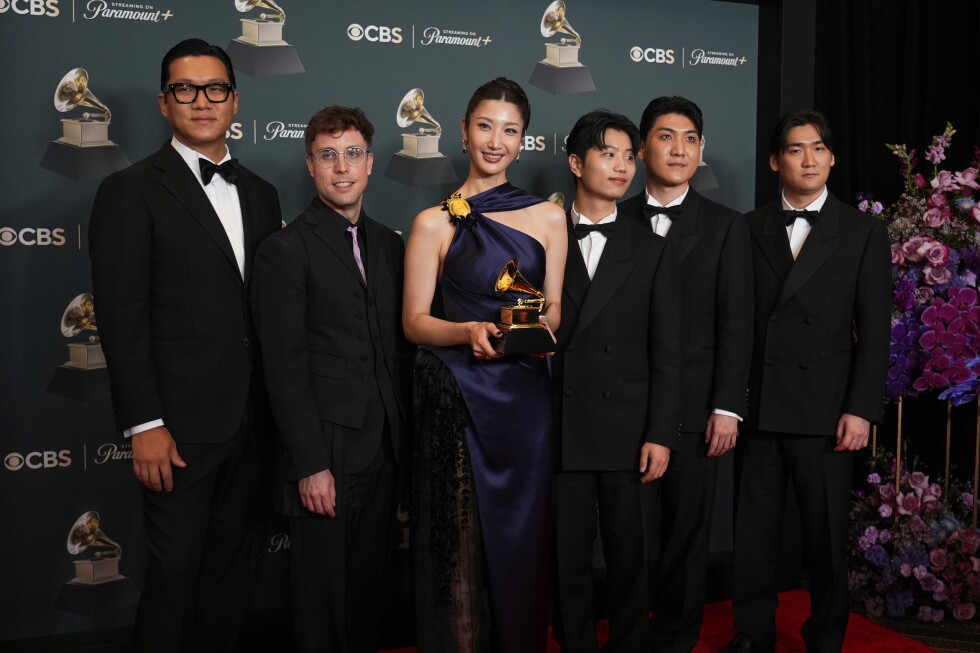
South Korea celebrated a historic milestone as ‘Golden’ from Netflix’s animated feature ‘KPop Demon Hunters’ secured the first Grammy Award for K-pop, marking a transformative moment for the genre’s global recognition. The victory for Best Song for Visual Media culminated a prominent Grammy presence for Korean music, including Rosé of BLACKPINK’s performance with Bruno Mars and Katseye’s dual nominations.
This achievement reflects K-pop’s escalating influence as a youth-driven cultural phenomenon that has captured attention from major U.S. entertainment studios. Legacy American labels, grappling with declining youth engagement, have recognized K-pop’s viral dominance across social media and short-form platforms, driving high-profile collaborations and hybrid projects.
Despite debates regarding classification—’Golden’ being an English-language track from a Sony Pictures Animation production—the recognition sparked national pride in South Korea. The film has stimulated local economic activity through themed merchandise and increased tourism to cultural sites featured in the animation.
‘KPop Demon Hunters,’ Netflix’s most popular release of all time since its June debut, follows fictional girl group HUNTR/X combining musical performance with demon-hunting martial arts. The film’s soundtrack achieved global chart success, while its characters inspired Halloween costumes across the United States.
Music critics note the win represents broader acceptance within American institutions rather than purely genre-specific recognition. Lim Hee-yun observed that ‘Golden’ incorporates more American pop sensibilities than traditional K-pop idol music, potentially contributing to its cross-cultural appeal. The Recording Academy’s historical oversight of major K-pop acts like BTS further contextualizes the significance of this breakthrough.
The Grammy recognition follows other landmark moments for Korean cultural exports, including Bong Joon-ho’s 2020 Oscar victory for ‘Parasite,’ signaling continued expansion of South Korea’s soft power influence through entertainment media.