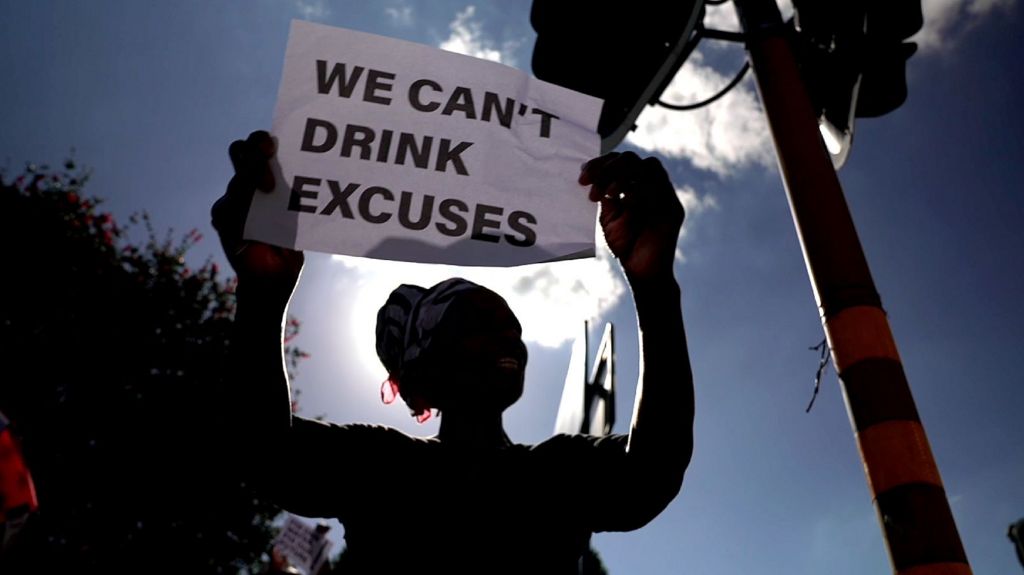
Johannesburg, South Africa’s economic powerhouse, is grappling with an escalating water crisis that has left numerous suburbs without reliable running water for over a month. In affluent northern neighborhoods like Greenside and Melville, frustrated residents of all ages have taken to the streets, banging empty plastic bottles and chanting demands for their constitutional right to water.
Colin Regesky from Green Hill describes pipes remaining ‘bone dry’ for weeks, creating unhygienic conditions and health concerns. The situation echoes Johannesburg’s recent electricity shortages from 2022-2024, when prolonged blackouts disrupted lives and businesses due to aging infrastructure and inadequate investment.
The crisis extends beyond Johannesburg to Hammanskraal, 100km north, where Pastor Tshepo Mahlaule reports two months without water, severely impacting children’s hygiene and education. This township has experienced intermittent water access for over a decade, forcing municipalities to deploy water tankers as emergency measures.
A disturbing dimension has emerged with allegations of ‘water mafias’ – criminal syndicates allegedly monopolizing tanker operations. Dr. Ferrial Adam of Watercan explains these groups may sabotage infrastructure to prolong lucrative municipal contracts. Residents like Eric Sebotsane confirm some tanker drivers illegally charge for what should be free water, exploiting desperate communities.
President Cyril Ramaphosa has responded by establishing a National Water Crisis Committee and threatening criminal charges against negligent municipal managers. However, solutions remain contentious: Democratic Alliance politician Cilliers Brink suggests municipalities operating their own tankers, while Dr. Adam argues for sustainable alternatives like boreholes rather than normalizing emergency tankers.
The human impact is severe – in Hammanskraal, car washers walk 2km with wheelbarrows to fetch water for their businesses, while families struggle with basic laundry and sanitation. Despite governmental promises of ‘lasting difference,’ residents continue enduring what local Jenny Gillies calls ‘an actual disgrace,’ reducing citizens to begging for essential resources.