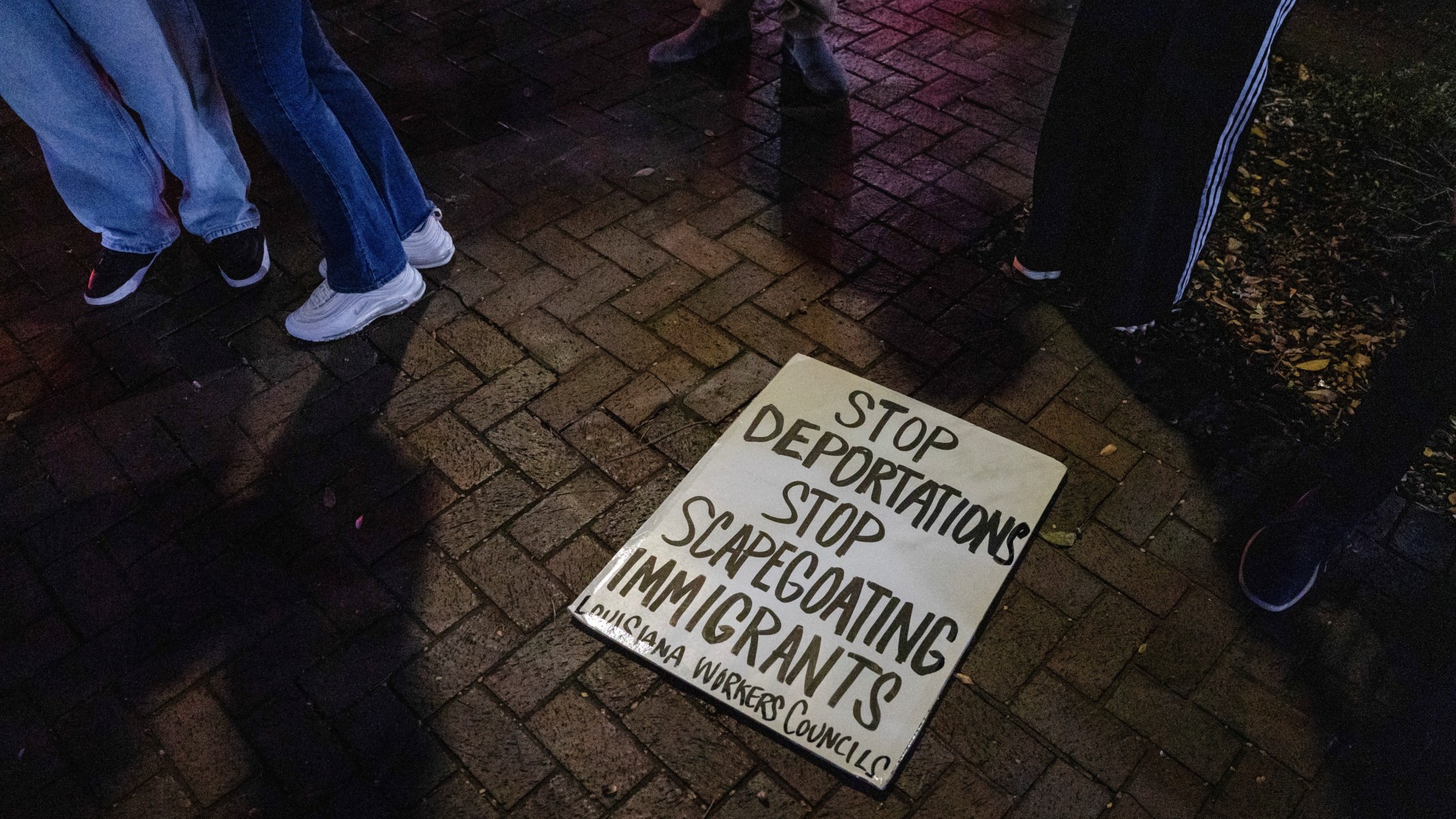
In a controversial move, U.S. immigration authorities have scheduled mandatory document check-ins for at least two Afghan evacuees on Christmas Day and New Year’s Day—both federal holidays when legal resources are typically limited. The advocacy group #AfghanEvac revealed these unusual scheduling practices, expressing concern that they may be designed to limit access to due process protections.
The situation occurs amid the Trump administration’s broader crackdown on immigration, particularly affecting Afghan nationals who assisted American forces during the two-decade war. Immigration experts fear these holiday check-ins could be used to detain individuals for deportation, as has become increasingly common during routine appointments where masked federal agents sometimes take immigrants to undisclosed locations.
#AfghanEvac President Shawn VanDiver is urging affected Afghans to contact his organization for support, noting that lawyers generally advise attendance at all check-ins regardless of timing to avoid immediate deportation orders. The group is currently gathering information to determine the scope of this practice across the immigration system.
The political context includes significant policy shifts: the Trump administration eliminated the Operation Enduring Welcome program and the Office of the Coordinator for Afghan Relocation Efforts, which previously supported Special Immigrant Visa (SIV) processing. While not officially ending the SIV program, these moves have drastically slowed processing for tens of thousands of applicants despite a federal court order to expedite cases.
Additionally, the administration stripped Afghans of Temporary Protected Status earlier this summer, leaving over 11,000 individuals in legal limbo. Recent statements from President Trump following a shooting incident in Washington have further emphasized a restrictive approach toward Afghan immigrants, with calls to re-examine all entries since the Biden administration and remove those deemed not beneficial to the country.
The Department of Homeland Security has implemented extensive screening measures, including putting asylum processing on hold and conducting full-scale reexaminations of Green Cards from designated high-risk countries. A new vetting center was announced in December to enhance screening with focus on identifying potential threats.
According to data, USCIS has referred over 14,400 immigrants to ICE since January 20, with at least 2,400 arrests occurring at its offices. Approximately 70,000 Afghans have arrived in the U.S. since the August 2021 withdrawal, with another 260,000 awaiting processing through various immigration channels amid significant backlogs.