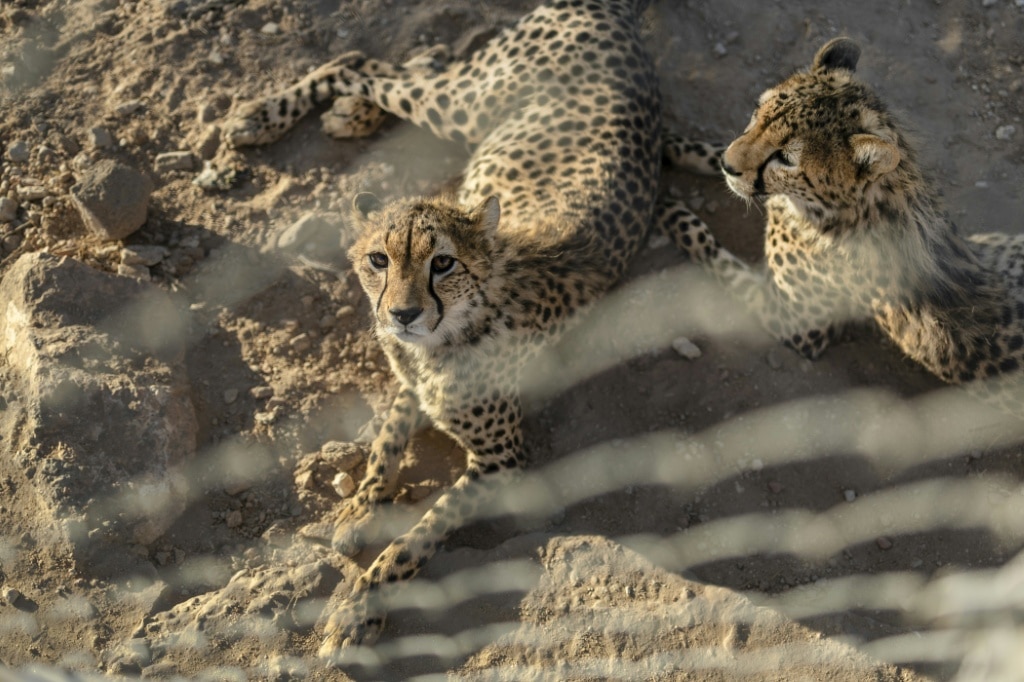
In the Geed-Deeble savannah of Somaliland, a breakaway region of Somalia, 127 rescued cheetahs now reside in a specialized sanctuary operated by the Cheetah Conservation Fund (CCF). These magnificent felines represent survivors of a devastating wildlife trafficking network that supplies exotic pets to wealthy buyers in Gulf nations.
The cheetahs, all forcibly separated from their mothers as cubs, were destined for luxurious palaces across the Arabian Peninsula before intervention by Somaliland authorities. The CCF facility provides critical care for these traumatized animals, many arriving in dire condition after brutal smuggling attempts.
According to conservation experts, the illicit trade poses an existential threat to the species. With only approximately 600 cheetahs remaining in the Horn of Africa region—and merely 7,000 surviving globally in the wild—the sanctuary supports a significant portion of the endangered population. The International Union for Conservation of Nature classifies African cheetahs as ‘critically endangered’ outside southern Africa.
Chris Wade, director of the facility, describes the heartbreaking reality of rescue operations. Eight recently arrived cubs, part of a group of 11 intercepted by Somaliland’s coastguard, required intensive medical care after being discovered severely dehydrated and parasite-ridden aboard a smuggling vessel. Tragically, three succumbed within days of arrival.
The trafficking pipeline typically begins with villagers in Somaliland or Ethiopia capturing cubs for meager payments of $50-$100. These animals then undergo perilous journeys across the Gulf of Aden to Yemen before reaching final destinations in Saudi Arabia and the United Arab Emirates, where they command prices reaching $20,000.
Despite both UAE (2016) and Saudi Arabia (2022) implementing laws criminalizing possession and trade of dangerous animals, enforcement remains challenging. Animal trafficking expert Daniel Stiles reports continuing sightings of new cheetahs appearing on social media platforms, indicating persistent demand.
The survival statistics are grim: for every cub successfully delivered, four to five perish during transportation. Those reaching their destinations typically survive only one to two years due to improper care, malnutrition, and disease, according to CCF founder Laurie Marker.
A 2021 report by the Global Initiative Against Transnational Crime estimated approximately 300 cheetahs are smuggled annually from East Africa and the Horn of Africa, primarily destined for palatial residences. At this rate, experts warn the species faces ‘virtual extinction.’
While most sanctuary residents have become too habituated to humans for wild release—missing crucial hunting development that enables their legendary 120 km/h speeds—the center is developing a 1,500-hectare rewilding area to rehabilitate younger arrivals for potential return to nature, offering hope for future rescues.