In a dramatic diplomatic escalation, the Somali Federal Government has unilaterally terminated all bilateral agreements with the United Arab Emirates, effectively expelling the Gulf nation from its military installations and critical infrastructure projects. The decisive move comes amid heightened regional tensions in the Red Sea corridor and follows mounting evidence of Emirati activities perceived as threatening Somalia’s national sovereignty.
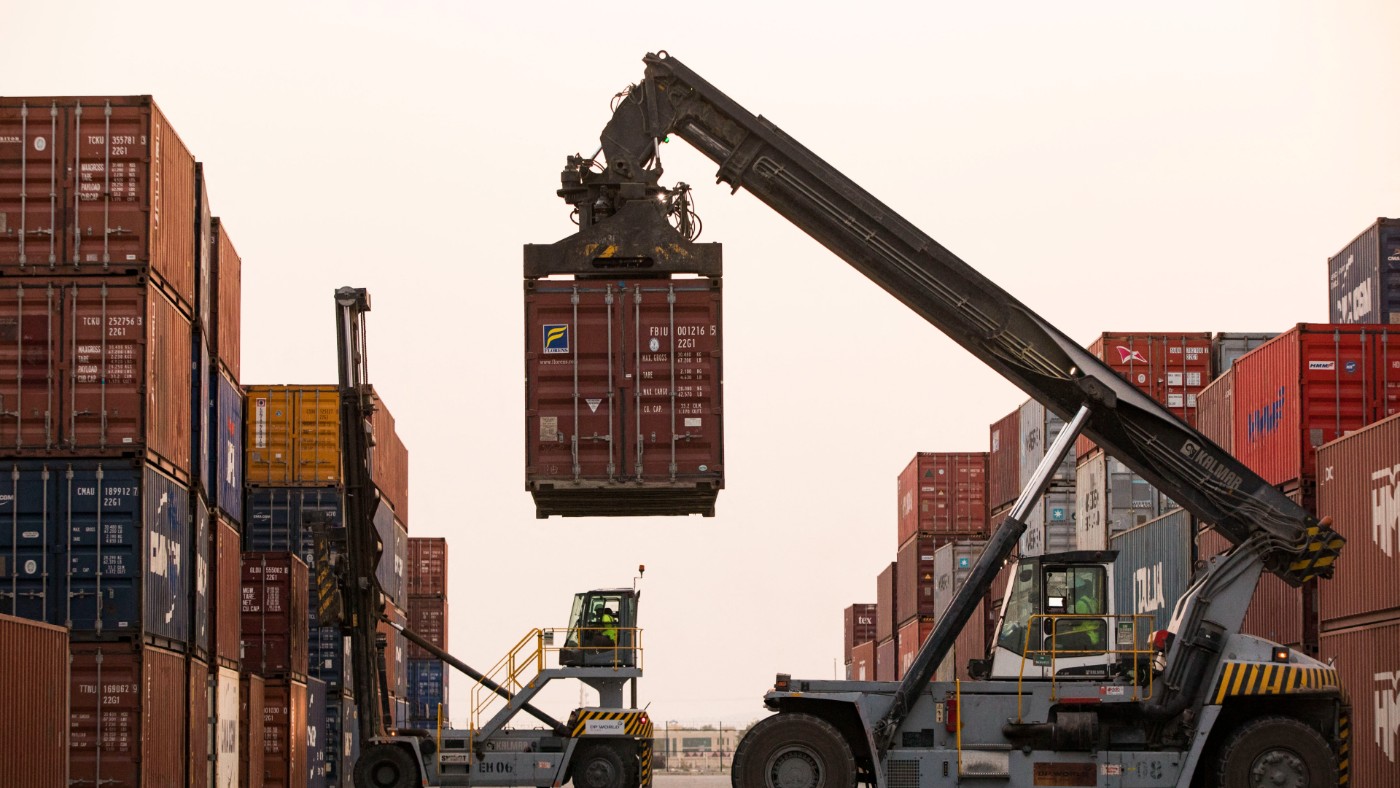
The Council of Ministers’ resolution, enacted on Monday, comprehensively nullifies all security, defense, and cooperation pacts between the two nations. This sweeping cancellation specifically affects UAE operations at the strategic ports of Berbera, Bosaso, and Kismayo—key hubs in regional maritime infrastructure.
Official documentation indicates the decision stems from substantiated reports revealing systematic efforts to undermine Somali territorial integrity and political independence. The development follows Middle East Eye’s exclusive reporting that UAE forces were discreetly withdrawing military personnel and equipment from bases across Somalia, with assets reportedly being relocated to neighboring Ethiopia.
This rupture coincides with increasingly contentious regional alignments. The UAE and its strategic partner Israel have recently intensified engagement with Somaliland, the breakaway northern region seeking international recognition. Israel’s unprecedented formal recognition of Somaliland’s sovereignty on December 26th—including high-level diplomatic visits and discussions regarding potential military facilities at Berbera—has significantly exacerbated tensions.
Berbera Port has emerged as a focal point in these geopolitical maneuvers. Satellite imagery analysis reveals the transformation of a previously stalled Emirati naval base into a nearly completed military installation featuring advanced infrastructure: a deep-water dock, extended airstrip with aircraft hangars, and support facilities. The 4km runway, among Africa’s longest, possesses capability to accommodate heavy transport aircraft and fighter jets.
The port’s ownership structure illustrates complex international involvement: DP World (UAE’s maritime logistics giant) holds primary control alongside the Somaliland government, with minority investment through Britain’s foreign investment arm, BII.
Domestic response has been overwhelmingly supportive, with prominent journalists and former President Mohamed Abdullahi Farmaajo endorsing the government’s decisive action. Social media platforms have flooded with nationalist sentiment applauding the sovereignty assertion.
The UAE has yet to issue an official response regarding the expulsion and termination of bilateral agreements that fundamentally alter regional power dynamics.