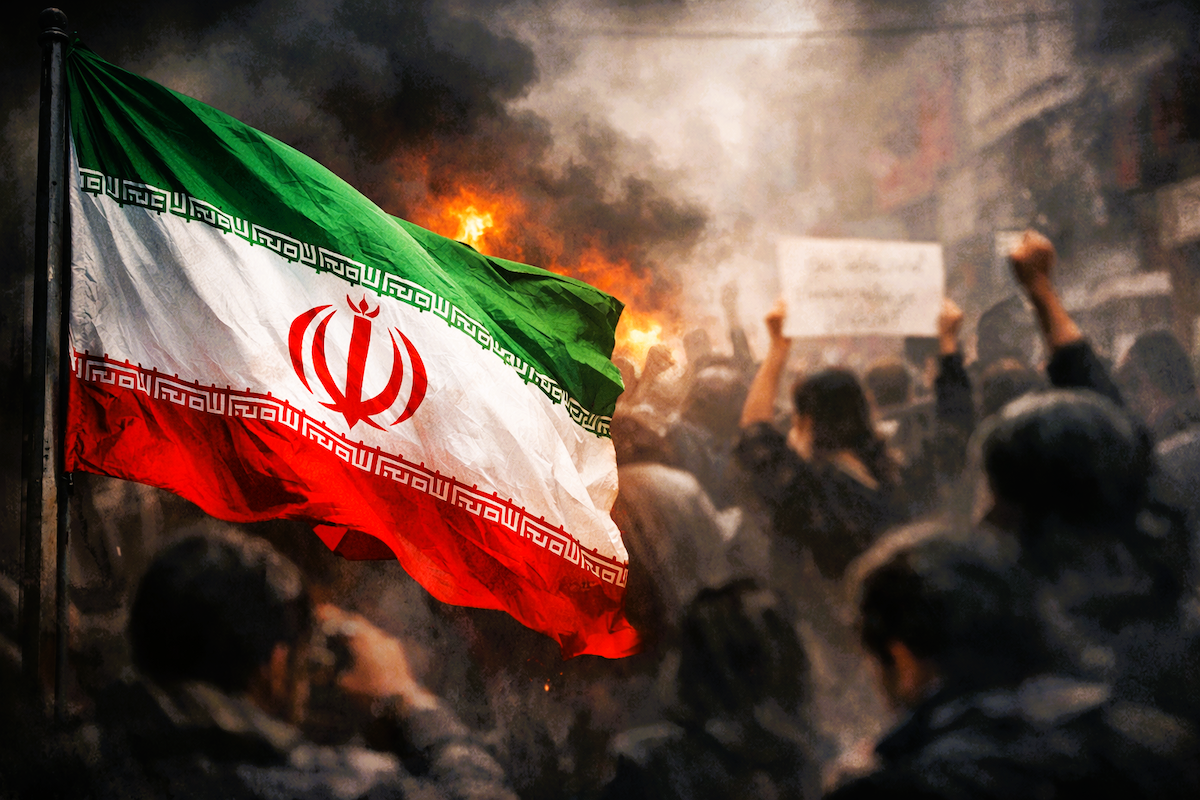
Iran’s latest wave of civil unrest has entered a critical phase as authorities implement unprecedented internet restrictions to suppress widespread demonstrations. The protests, which originated from economic grievances over the plummeting value of the Iranian rial, have evolved into a broader movement challenging the Islamic Republic’s governance structure.
According to digital media expert Shirvin Zeinalzadeh from Arizona State University, the current protests represent a significant evolution in digital activism within Iran. While initial demonstrations were extensively documented through social media platforms, the government’s January 8 internet blackout has fundamentally altered the digital landscape. This shutdown represents the most comprehensive internet restriction in Iran’s history, affecting both mobile networks and landline communications.
The blackout has unexpectedly galvanized global attention, with Iranian diaspora communities and international observers using social media to express concerns about the situation within Iran. Platforms like Instagram and Twitter have become hubs for this international response, generating more visible engagement than during the 2022 ‘Woman, Life, Freedom’ protests following Mahsa Amini’s death.
Despite the digital blockade, protesters have demonstrated remarkable resilience. Some have reportedly turned to Elon Musk’s satellite-based Starlink service to maintain communication, though authorities are allegedly attempting to interfere with this alternative channel. Meanwhile, exiled figures like Reza Pahlavi, son of Iran’s last Shah, have actively used social media to sustain pressure on the government from abroad.
Iranian state media has maintained a consistent narrative, focusing on property damage and casualties among security forces while labeling protesters as ‘terrorist actors.’ This coordinated messaging reflects the government’s sophisticated approach to information control, with research suggesting such propaganda can reduce protest likelihood by approximately 15% for 10-15 days.
Notably, analysis of online discourse reveals that despite the escalating situation, social media sentiment lacks the explicit calls for violence seen in other global protest movements. Instead, the focus remains on raising awareness about the internet blackout and expressing nonviolent opposition to Supreme Leader Ali Khamenei.
The protests particularly resonate with Iran’s substantial youth population (approximately 60% under age 30), who rely heavily on digital technology for communication and organization. This demographic pattern mirrors youth-led movements in other countries, where internet access serves as both catalyst and essential tool for mobilization.
The persistence of protests despite the digital crackdown suggests external influences—including diaspora communities and dissident media—continue to shape narratives and reinforce collective action. As the situation develops, the eventual restoration of internet access may trigger a new wave of international scrutiny and domestic response, presenting additional challenges for Iranian authorities.