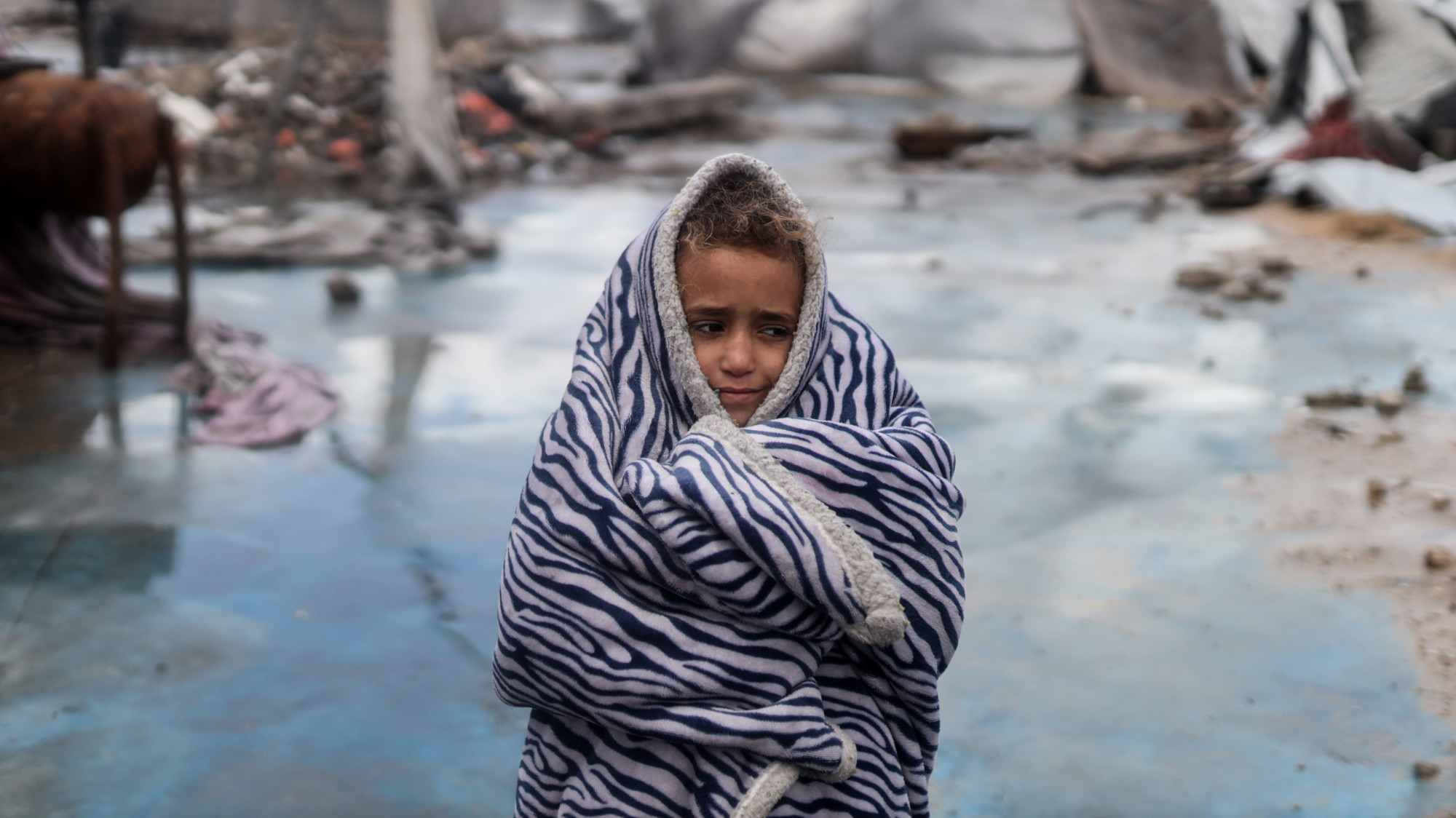
While the cessation of active bombing has brought a measure of relief to Gaza, a profound humanitarian crisis continues to unfold silently for the territory’s most vulnerable residents. The fragile ceasefire has failed to address critical medical shortages, displacement, and systemic infrastructure collapse, creating what many describe as a slow-motion disaster.
Najat Sayed al-Hessi, a 61-year-old Palestinian cancer patient, embodies this ongoing tragedy. For 27 consecutive months, she has been deprived of essential cancer medications, a situation unchanged since the October 2023 ceasefire began. Her scheduled medical transfer to Ramallah for treatment coincided with the outbreak of hostilities, initiating a desperate wait that continues from her makeshift shelter in Deir al-Balah. “I fear the disease is advancing in my body with each passing day,” she reports, a sentiment echoed by approximately 11,000 cancer patients across Gaza.
The healthcare system faces catastrophic shortages. According to the Palestinian health ministry, 56% of essential drugs, 68% of medical consumables, and 67% of laboratory supplies were unavailable as of November. Dr. Muhammad Abunada, medical director of the Gaza Cancer Centre, confirms a 70% deficit in cancer medications and painkillers, rendering even available treatments largely ineffective due to missing combination therapies. Mortality rates among cancer patients have consequently surged from one daily death before the war to two or three presently.
This health emergency extends beyond oncology. UNICEF data reveals a 75% increase in newborn mortality rates during the final quarter of the war, with monthly averages jumping from 27 deaths in 2022 to 47 between July and September 2023. These alarming trends persist despite the ceasefire, exacerbated by Israel’s restrictions on border crossings and medical supply entry.
The situation on the ground remains perilous for displaced populations. An estimated 1.5 million Palestinians endure a third consecutive winter in dilapidated tents, with recent storms destroying thousands of temporary shelters and causing at least 31 cold-related deaths, including 19 children. Rajaa Jendiya, a displaced widow and mother, describes winter as “another assault you have to survive,” with flooding tents and deteriorating health due to prolonged starvation.
Complicating recovery efforts, Israel’s unilaterally imposed “Yellow Line” no-go zone now encompasses approximately 60% of Gaza’s territory, steadily expanding westward and preventing residents from returning to their homes. This barrier, coupled with new administrative restrictions on international NGOs, has crippled reconstruction efforts and humanitarian aid delivery. The systematic destruction of Gaza’s agricultural land (80%) and fishing sector (95%) has further dismantled local food self-sufficiency, creating near-total dependence on external assistance that remains severely constrained.
As Abu Rafiq Ubeid, a father of three displaced in Gaza City, summarizes: “We are still living under the same threats and circumstances, only with less noise.” The ceasefire has merely transformed an overt genocide into a protracted humanitarian collapse, with vulnerable populations paying the highest price.