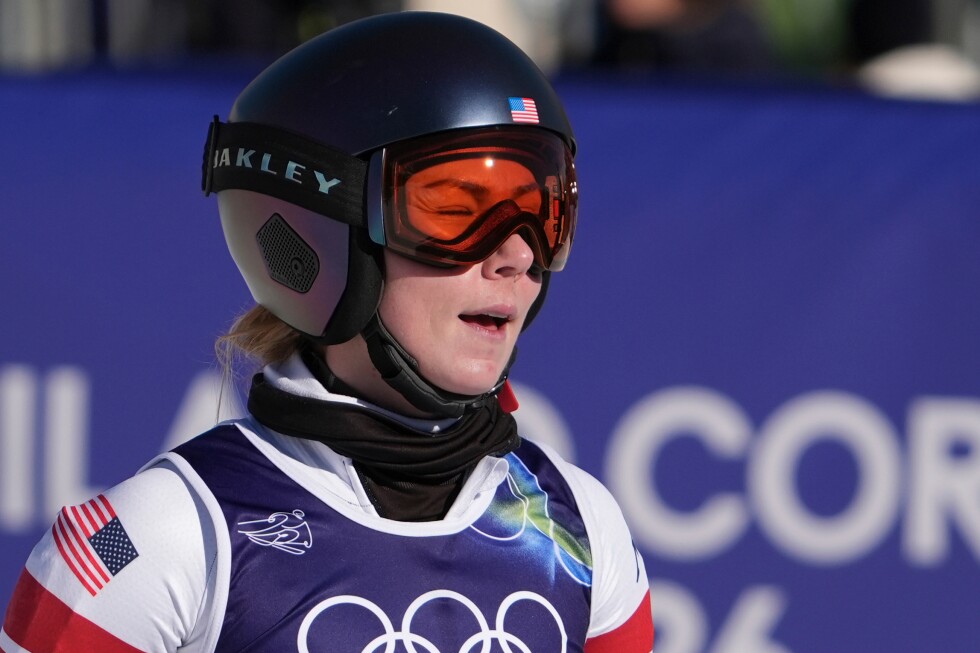
CORTINA D’AMPEZZO, Italy — As the alpine skiing events at the Milan Cortina Olympics approach their conclusion, all eyes turn to American skiing phenomenon Mikaela Shiffrin as she prepares for her final medal opportunity in Wednesday’s slalom competition. The most decorated ski racer in history finds herself in an unfamiliar position—still seeking her first podium finish at these Games and her first Olympic medal in eight years.
Shiffrin’s campaign at Tofane has been marked by near-misses and uncharacteristic performances. A surprisingly slow slalom run during last week’s combined event cost her a potential medal, while her 11th-place finish in giant slalom—though just three-tenths off the podium—demonstrated the razor-thin margins separating champions in this highly competitive field.
The 30-year-old champion approaches her signature event having already secured a record ninth World Cup slalom title this season with two races remaining. Yet Olympic glory has remained elusive since her teenage triumph in Sochi twelve years ago. Shiffrin acknowledges the unique challenges of her discipline, noting that despite 71 career slalom victories, ‘it never gets easier—you become more aware of how challenging it is.’
The psychological burden remains significant for the athlete who has rewritten her sport’s record books. Shiffrin arrived in the Dolomites confident she had moved past her disappointing zero-medal performance at Beijing 2022, but the combined event left her mystified and subdued. Her aggressive giant slalom performance, however, restored optimism.
Slovakian rival Petra Vlhova, the reigning gold medalist returning from January knee surgery that shredded multiple ligaments, expressed empathy for Shiffrin’s position: ‘I can imagine what she’s feeling right now. She’s strong and I believe she can make it, but it takes a lot of energy.’
The technical course setup appears flatter and potentially easier than typical World Cup venues, suggesting another tightly contested race similar to the giant slalom. Shiffrin’s margin for error—both physical and mental—may be smaller than usual. She has analyzed her combined performance where she placed 15th—her worst slalom finish since 2012—citing equipment misalignment, difficult light conditions, and an imperfect mindset.
U.S. Ski and Snowboard president Sophie Goldschmidt has praised Shiffrin as ‘the ultimate role model,’ noting her grace under pressure and support for teammates even while processing her own challenges. However, the unique pressure of the quadrennial Olympic spectacle continues to present a distinctive challenge for the athlete widely considered the Greatest of All Time in her sport.
As Shiffrin prepares for her two runs on Wednesday, she does so with open eyes: ‘I’m kind of going into it with my eyes open that we can see a very similar situation and I will try to handle it differently in my head.’ Whatever the outcome, those who know her best understand she will leave everything on the mountain.