In a groundbreaking achievement for space accessibility, German engineer Michaela Benthaus became the first wheelchair user to journey beyond Earth’s atmosphere aboard Blue Origin’s New Shepard spacecraft on Saturday, December 20, 2025. The historic 10-minute suborbital flight, launching from Texas at 8:15 AM local time (1415 GMT), successfully crossed the Kármán line—the internationally recognized boundary of space.
Benthaus, an aerospace and mechatronics engineer with the European Space Agency who uses a wheelchair following a spinal cord injury from a mountain biking accident, emphasized the symbolic importance of her mission. ‘After my accident, I truly comprehended how inaccessible our world remains for people with disabilities,’ she stated in a pre-flight recording. ‘If we aspire to build an inclusive society, we must embrace inclusivity in every domain—not merely in selected areas we prefer.’
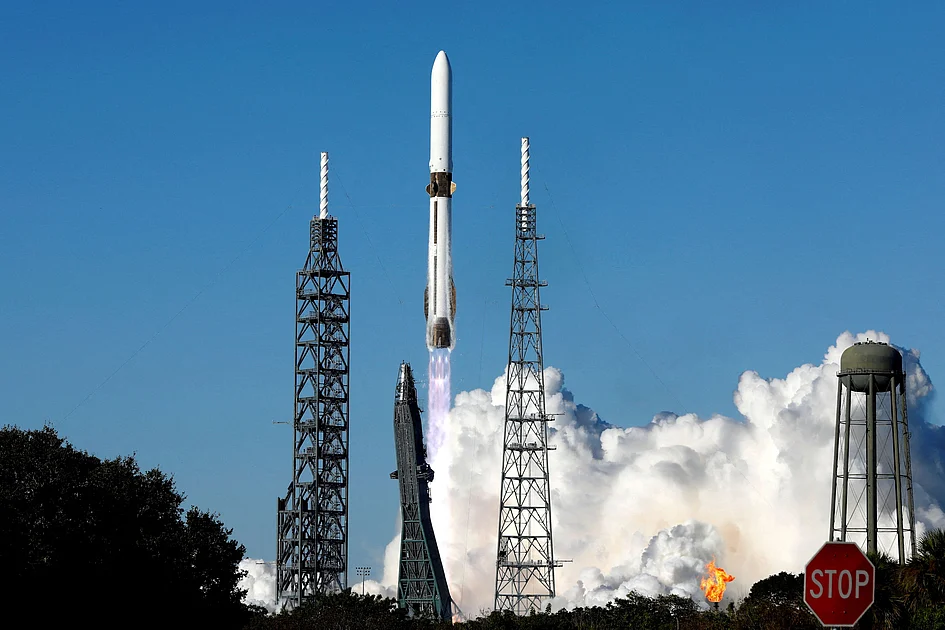
The fully automated mission represents Blue Origin’s 16th crewed flight in its space tourism program, though ticket pricing remains undisclosed to the public. The New Shepard rocket ascended vertically before its passenger capsule detached at altitude and descended gracefully via parachute systems to the Texas desert.
This milestone flight occurs amid intensifying competition among private space enterprises, with Blue Origin simultaneously advancing its orbital capabilities using the more powerful New Glenn rocket, which has completed two uncrewed orbital tests this year. The company has previously transported notable figures including pop icon Katy Perry and actor William Shatner, leveraging high-profile participants to sustain public engagement with commercial space travel.