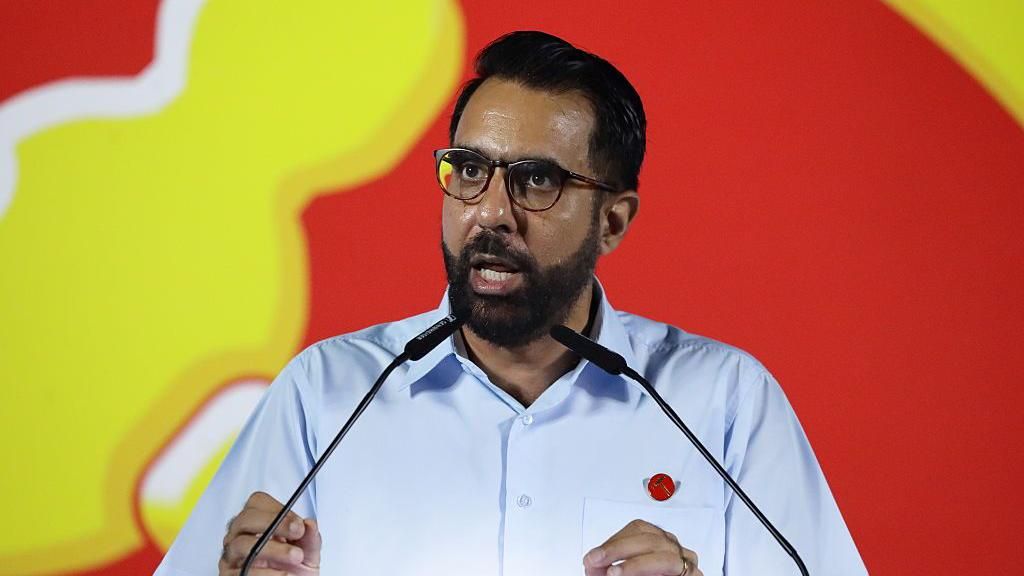
In an unprecedented political development, Singapore’s parliament has formally removed Pritam Singh from his position as Leader of the Opposition following his criminal conviction for providing false testimony under oath. The decisive parliamentary vote occurred on Wednesday, with the ruling People’s Action Party (PAP) using its substantial majority to pass the motion.
The resolution stemmed from Singh’s conviction last February for lying to a parliamentary committee investigating a separate case involving former Workers’ Party (WP) lawmaker Raeesah Khan. Despite maintaining his innocence throughout the judicial process and an unsuccessful appeal in December, Singh was found to have committed perjury during committee hearings.
While Singh retains his parliamentary seat and position as secretary-general of the Workers’ Party, he will forfeit significant privileges including additional financial allowances and priority speaking rights during legislative debates. The opposition leader defended himself during the three-hour debate, stating his “conscience remains clear” and rejecting characterizations of his behavior as “dishonourable and unbecoming.”
Prime Minister Lawrence Wong declared on Thursday that Singh’s continued tenure as Opposition Leader had become “no longer tenable” given the circumstances. All eleven present WP members voted against the motion, highlighting the partisan divide within the legislature.
The controversy originated in 2021 when then-WP lawmaker Raeesah Khan fabricated an account of police misconduct toward a sexual assault victim. During subsequent investigations, evidence emerged suggesting Singh had instructed Khan to maintain the false narrative. Khan has since resigned from politics and received fines for her misconduct.
This case represents one of the rare criminal convictions against a sitting opposition politician in Singapore’s history and has reignited debates about judicial independence in the city-state. Critics have previously alleged that Singapore’s government weaponizes legal mechanisms against political opponents—accusations that authorities consistently deny.