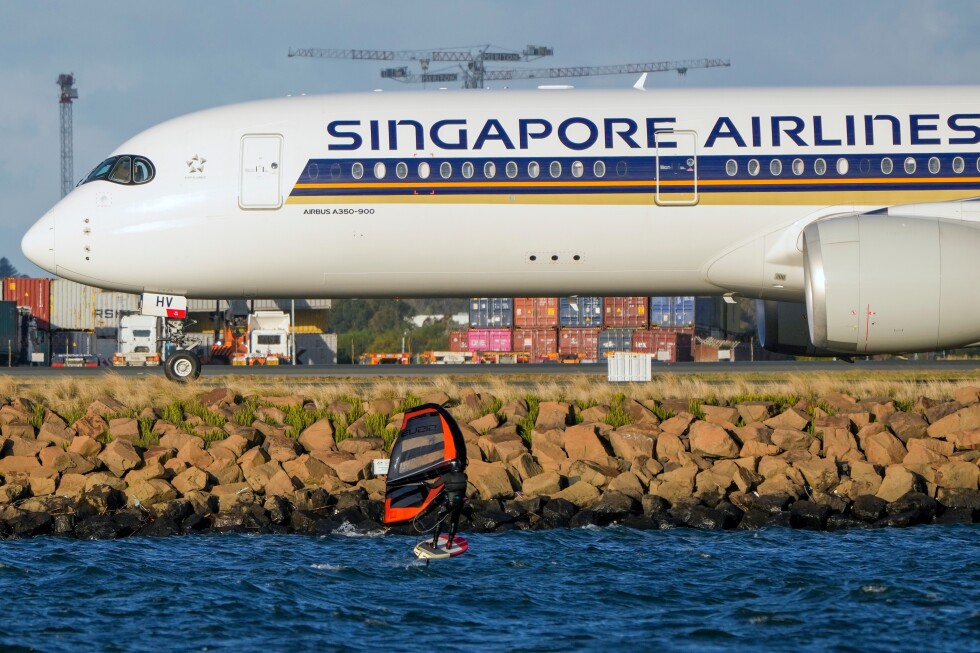
SINGAPORE — Travelers passing through Singapore’s Changi Airport, Southeast Asia’s busiest aviation hub, will face new sustainability charges ranging from $0.75 to $32 per ticket beginning October 1st. The landmark initiative establishes a funding mechanism for sustainable aviation fuel (SAF) development through a distance-based levy system that varies by cabin class and destination.
The strategic move positions Singapore at the forefront of regional efforts to decarbonize air travel while capitalizing on Southeast Asia’s emerging potential as a global SAF production center. The cleaner burning fuel, typically derived from recycled cooking oil and agricultural waste, represents the aviation industry’s most promising pathway to reduce emissions without requiring aircraft modifications.
Singapore’s leadership in this green transition is demonstrated through its operational SAF facility and planned next-generation plant, with established supply agreements with major carriers including Singapore Airlines and JetBlue. The city-state’s initiative coincides with broader regional momentum, with Thailand inaugurating a new SAF plant in Bangkok this year, while Malaysia and Vietnam achieved domestic production milestones in 2025.
According to Daniel Ng, Chief Sustainability Officer at the Civil Aviation Authority of Singapore, the transparent levy structure enables “all aviation users to contribute to sustainability at manageable costs.” The charges will be clearly itemized on passenger tickets and cargo contracts, with economy-class flights within Southeast Asia facing the minimum S$1 (approximately $0.75) surcharge, while premium cabin travelers to the Americas will pay S$41.60 (approximately $32).
Industry experts highlight Southeast Asia’s competitive advantage in SAF production due to abundant access to agricultural and forest waste materials. Aung Soe Moe, air transport officer for the Association of Southeast Asian Nations (ASEAN), projects the region could potentially produce 8.5 million barrels of SAF daily by 2050 if development continues responsibly.
The timing of Southeast Asia’s SAF expansion coincides with policy uncertainties in the United States, where the Trump administration’s reversal of clean energy initiatives has slowed previously robust production growth. This policy shift creates strategic opportunities for Asian producers to capture market share in the emerging sustainable aviation fuel sector.
Despite regional enthusiasm, industry representatives emphasize the continued need for government support to maintain development momentum. The International Air Transport Association notes that while attention on Asian SAF production is growing, sustained policy incentives remain crucial for scaling the industry to meet aviation’s decarbonization targets.